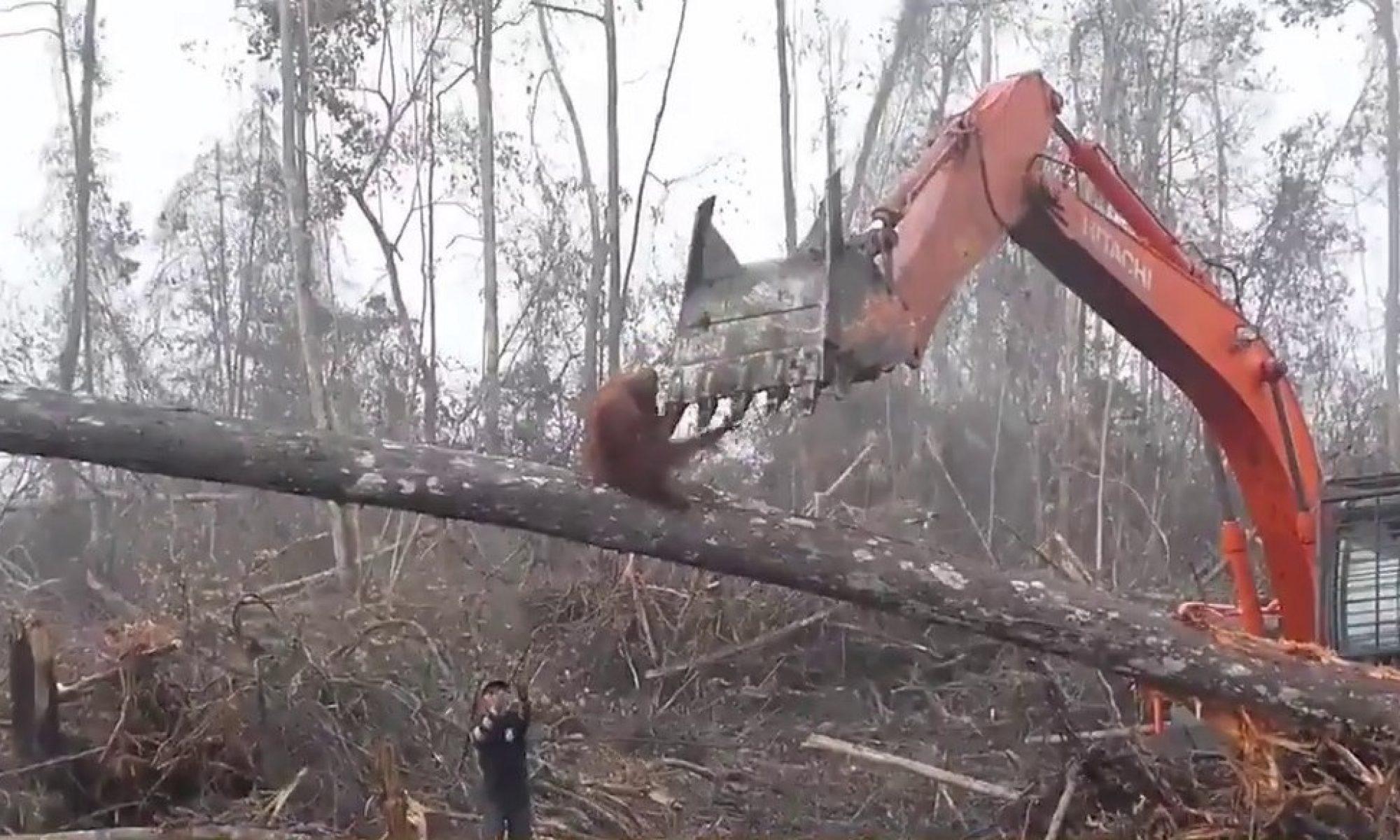
The theory that high-investment reproductive strategies (K-selection / Slow Life History) drove the evolution of mirror neurons, empathy, and cross-species adoptions.
| Studies: 2001 – 2026 | Theory and evidence |
| Decety, J. (2015). The evolution of empathy from parental care to social-behavioral psychology. World Psychiatry, 14(1), 15–24. https://doi.org/10.1002/wps.20171 | Details the neurobiological transformation of basic mammalian motor-mirroring networks into deep emotional-simulation and affective empathy pathways, driven by the selection pressures of high-investment offspring care. |
| Miralles, A., Raymond, M., & Lecointre, G. (2019). Empathy and compassion toward other species decrease with evolutionary distance. Scientific Reports, 9(1), 20255. https://doi.org/10.1038/s41598-019-56006-9 | Cross-species empathy: Internal mirror-neuron systems are engaged by the shared physical geometry of other species; the visual trigger behind interspecific adoptions. |
| Older, M., & Del Giudice, M. (2020). Life history strategies and the neurobiology of social bonds. Frontiers in Ecology and Evolution, 8, 591163. https://doi.org/10.3389/fevo.2020.59116 | Connects ‘Slow Life History Strategies’ (the modern framework for K-selection) to distinct neurobiological configurations. Species investing heavily in fewer offspring have higher mirror-neuron system (MNS) reliance and structural oxytocin pathways. |
| Preston, S. D. (2022). The altruistic urge: Why we compassionately help others. Columbia University Press. https://doi.org/10.7312/pres19090 | The Offspring Care Model (OCM): cross-species rescue, nurturing, and adoption are rapid, hardwired subcortical adaptations originally protecting high-stakes genetic investments. |
| de Waal, F. B. M. (2008). Putting the altruism back into altruism: The evolution of empathy. Annual Review of Psychology, 59, 279–300. https://doi.org/10.1146/annurev.psych.59.103006.093625 | Classic foundation tracking the phylogenetic emergence of mammalian empathy from maternal care, suggesting that shared representation networks (mirror mechanisms) underlie core social mirroring. |
| Hrdy, S. B. (2009). Mothers and others: The evolutionary origins of mutual understanding. Harvard University Press. | Extreme K-selection and cooperative breeding required human infants to develop an advanced neural capacity to mirror, read minds, and charm multiple caretakers to survive. |
| Insel, T. R., & Young, L. J. (2001). The neurobiology of attachment. Nature Reviews Neuroscience, 2(2), 129–136. https://doi.org/10.1038/35053579 | General mammalian oxytocin, vasopressin, and dopamine pathways evolved to map maternal attachment, laying the chemical groundwork that supports empathy networks. |
| Preston, S. D., & de Waal, F. B. M. (2002). Empathy: Its ultimate and proximate bases. Behavioral and Brain Sciences, 25(1), 1–20. https://doi.org/10.1017/S0140525X02000018 | The original Perception-Action Model (PAM) linking state-matching and mirror-like systems directly to the biological survival value of immediate parent-offspring coordination. |
| Rizzolatti, G., & Craighero, L. (2004). The mirror-neuron system. Annual Review of Neuroscience, 27, 169–192. https://doi.org/10.1146/annurev.neuro.27.070203.144230 | How the mechanics of the “mirror-neuron system” (MNS), of action understanding might underlie higher-level mental mirroring. |
Gilbert, P. (2026). The Role of Human Evolved Emotional Regulation Systems in Psychotherapy with Focus on Compassion. In The Evolution of Psychotherapy: Applying Evolutionary Theory to Mental Health Care (pp. 29-59). Springer Nature Switzerland
Kirby, J. N., & Gilbert, P. (2017). The emergence of the compassion focused therapies. Compassion: Concepts, research and applications, 258-285.