
By Dina Lupin, Miriam Cullen, Marie Aronsson-Storrier and Katarina Hovden
In May 2026, the groundWork Trust, the Home in Crisis research project, and the theatre project Empatheatre submitted a joint amicus brief to the African Court on Human and Peoples’ Rights. An amicus brief is a written legal document submitted to a Court by individuals or organisations who are not party to the proceedings, but have particular expertise in the subject matter under consideration. Our brief contributes to the civil society request for an Advisory Opinion on the human rights obligations of African States in the context of the climate crisis.
Our brief focused on two critical issues: the protection of environmental human rights defenders (HRDs), and the recognition of home and land in its ancestral, cultural, and spiritual dimensions under the Charter.
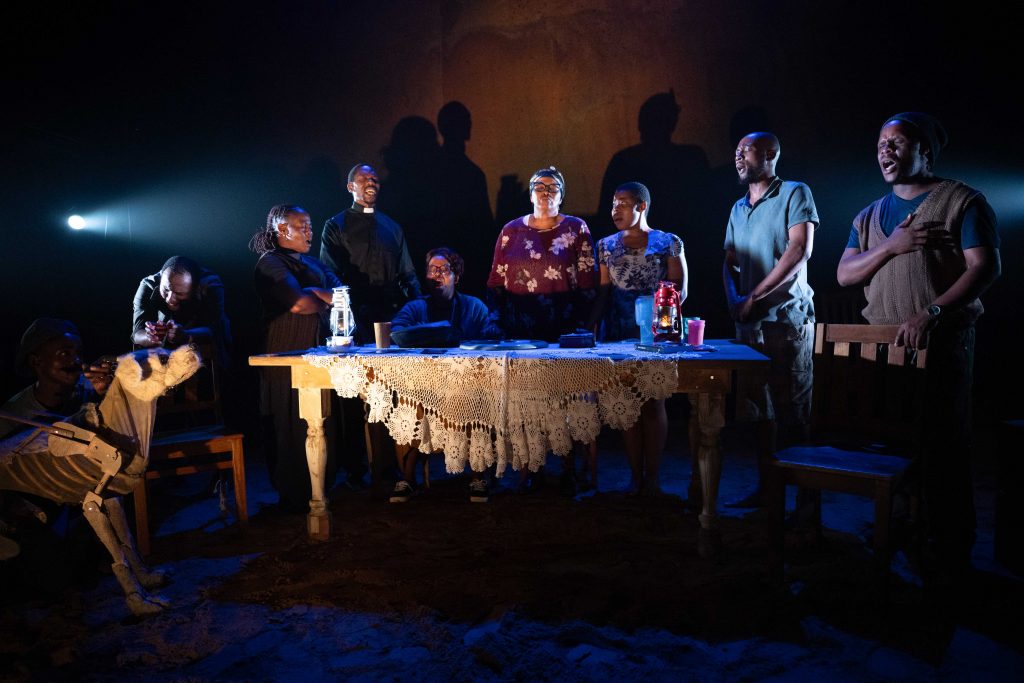
A joint submission rooted in law, activism and theatre
At the heart of our submission was the stories of people and communities across the continent protecting their ancestral lands from environmental and climate harm.Our submission to the Court drew on the story, script, images, and footage from Isitha Sabantu, a play produced by Empatheatre in collaboration with groundWork and Home in Crisis.
Isitha Sabantu is inspired by the life of Fikile Ntshangase, a South African environmental defender who was assassinated in her home in October 2020 as a result of her activism against the expansion of a coal mine onto her community’s ancestral land. To date, no one has been prosecuted for her killing. Her story is not exceptional: in 2022, Frontline Defenders recorded over 400 murders of environmental HRDs worldwide.
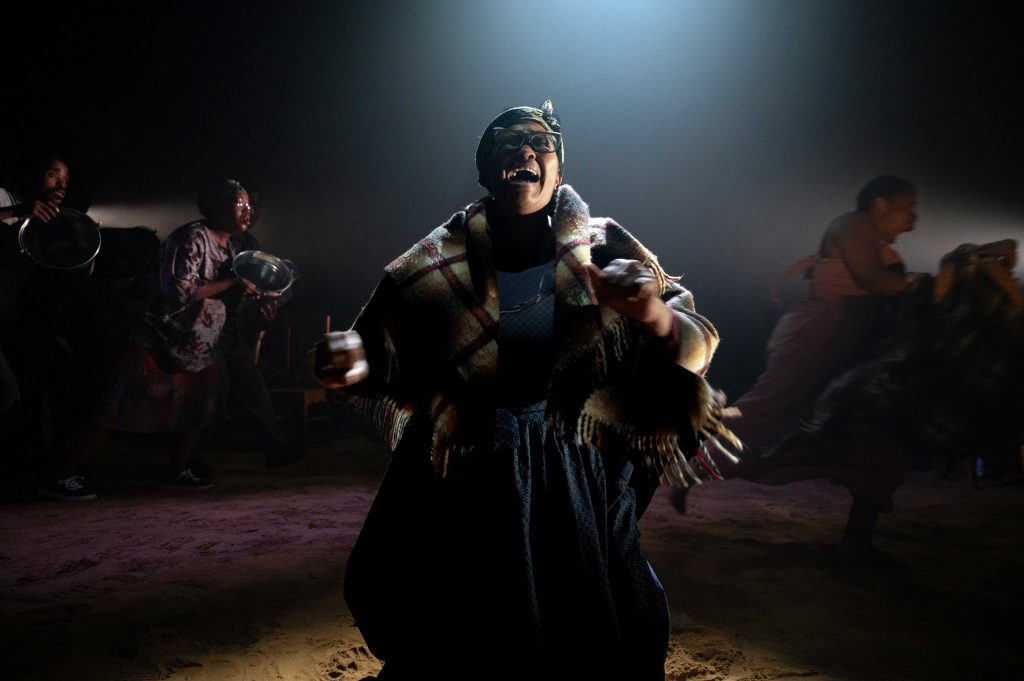
The play premiered in Johannesburg over three weeks in March 2026 to critical acclaim.
The three organisations that collaborated on this brief work in different and complementary ways on environmental justice, land rights, protection of the rights of HRDs, community-led research, and arts-based methodologies. All three work to spotlight the lived realities of communities directly affected by environmental violations and the climate crisis.
Our brief challenged the traditional written format of legal briefings by including images of theatre, vignettes of a play, and sections of the script not as mere annexes but as a component part of the briefing itself. This approach is critical both for challenging dominant narratives about environmental HRDs, extraction and climate justice, and as a means of protecting HRDs who cannot always safely tell their own stories. Vitally, the play allowed for more plural stories of land to be told – stories not limited by legal logics of what counts as knowledge and what dimensions of relationships with land are meaningful.
In our brief, we call on the Court to recognise environmental HRDs as actors whose protection is integral to the realisation of Charter rights; to clarify that States bear positive obligations to prevent, investigate, and remedy harms committed by both State and non-State actors; and to encourage the development of national protection mechanisms. Critically, we call for a dedicated regional instrument on the recognition and protection of environmental HRDs.
We also ask the Court to interpret property to include collective and customary land tenure systems, as well as the spiritual, ancestral, and cultural dimensions of land and territory, not merely individual or commercial property interests; affirm that States have obligations to design differentiated protection measures for individuals and groups with particular needs; and to elaborate effective remedies for land-related harms that ensure meaningful participation.
The protection of environmental human rights defenders
Our first central argument addresses the obligations of African States, individually and collectively, to protect environmental HRDs. HRDs frequently perform functions that public institutions are unable or unwilling to fulfil — standing up for their communities, documenting illegal activities and environmental harm, speaking up and raising concerns with corporations and regulators, and defending fundamental human and constitutional rights. As defenders challenge powerful interests, they face persistent threats: violence, arbitrary arrest, enforced disappearance, surveillance, and strategic litigation designed to exhaust and silence them.
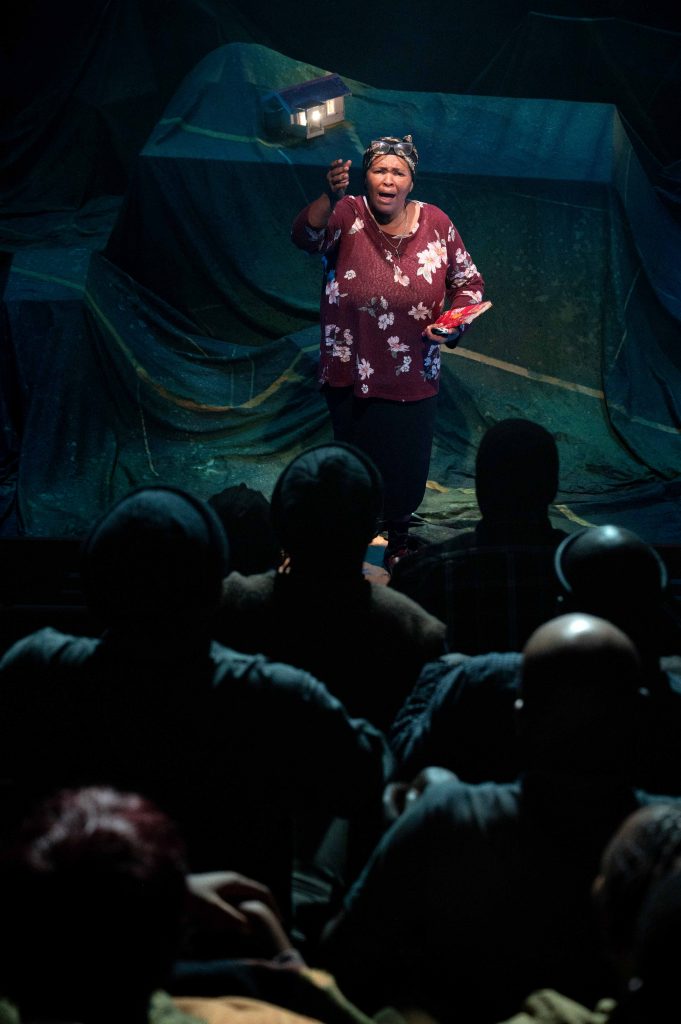
The brief draws on examples from across the continent: In Uganda,the NGO Act (2016) and the Anti-Terrorism Act have been used to restrict civil society opposition to the East African Crude Oil Pipeline. We reference decisions of the African Commission on Human and Peoples Rights (distinct from the Court) which has condemned multiple reprisals against environmental HRDs in Uganda since 2023, including enforced disappearances, and the arrest of dozens of peaceful protesters. In Zimbabwe, over 160 people were arrested in a crackdown on civic space in 2024. These patterns, the brief argues, are structurally connected to extractivist and fossil fuel based economic models and the erosion of civic space, and attacks on HRDs undermine not only individual rights but community resilience and collective rights under the Charter.
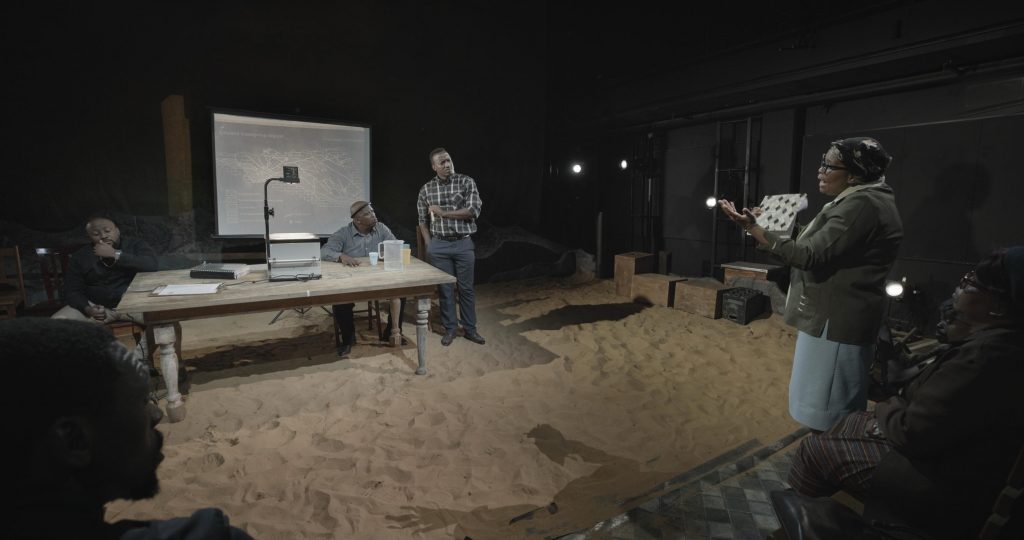
Indigenous Peoples, along with marginalised and local communities, are among those most affected by the climate crisis and the extractive and exploitative activities that are fueling it. They are those whose voices are least likely to be heard in decision-making processes. In a scene submitted to the Court from Isitha Sabantu, the community is presented with an Environmental Impact Assessment of over 8,000 pages, full of technical language, available only in English, and given with just days for the community to respond. These conditions were based on an actual consultation process that took place in Ntshangase’s community and exemplify well-known corporate practices in which companies deliver information in ways that are poorly communicated, obfuscating key content from the community affected.
The scene gives a human face to the submission’s legal argument: that formal participation rights, while entrenched in the Charter, frequently fail in practice when communities lack access to information in their own language, at accessible times and places, with adequate time to respond. These are processes designed to formally comply with law while in fact preventing and blocking community engagement. In contexts like this, the role of environmental HRDs is essential – they are the conduits of knowledge and the voice of the community in the face of structural efforts to silence those affected.
The brief also highlights the particular vulnerabilities of women environmental HRDs, who face compounded risks including gender-based violence, intersectional discrimination, and the criminalisation of their activism.
Home, land and ancestors in the context of environmental destruction and climate change

Our second central argument focused on the meanings and significance of land and home under the African Charter. In many African traditions, land carries ancestral, spiritual, legal, and cultural dimensions that are not captured by conventional legal concepts of home or property. In Isitha Sabantu, Nomsa, the main character and an environmental HRD, rejects a mining company’s map of her community’s land that shows only the underground coal seam and where the roads, coal washing and processing plants will go, ignoring the richness of what already exists on the land. Nomsa stands up in the meeting and demands the right to redraw the map, marking the school, the river where people were baptised, where homes and sacred sites lay. “Our homes, our lives and our dead have names,” she says.
Nomsa’s response to the mine echoes the brief’s central argument: that the harms caused by extractive industries or climate change go beyond economic or property loss. The displacement experienced is more than physical relocation alone, but a much deeper severance from ancestors, sacred sites, burial grounds, and intergenerational knowledge systems, which needs to be explicitly recognised as a distinct category of human rights harm.
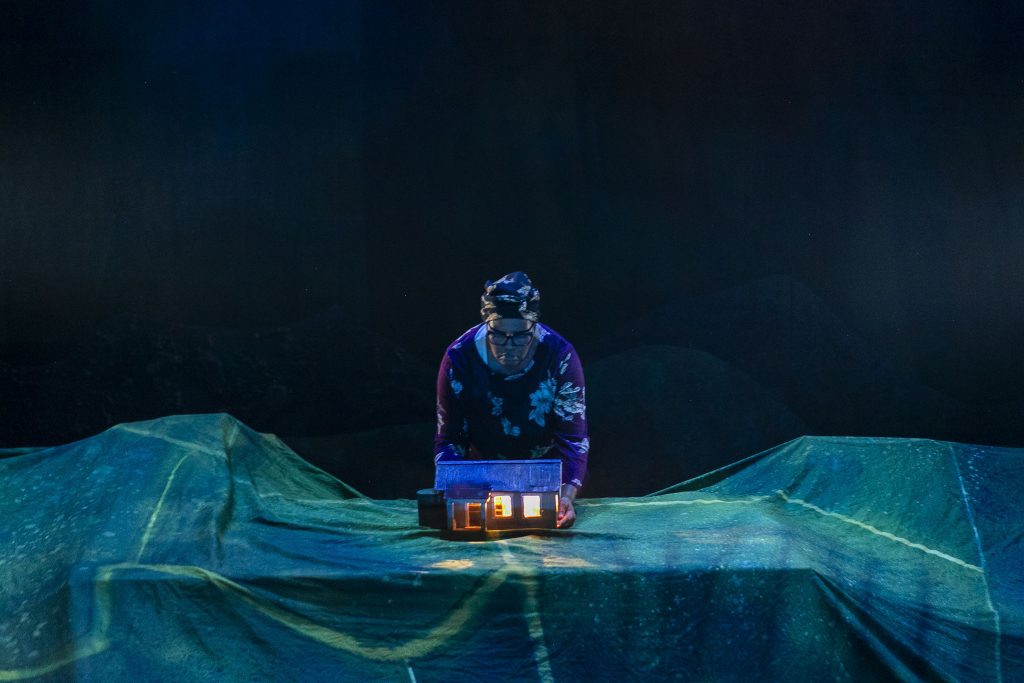
The African Commission has found that Indigenous Peoples disproportionately bear the consequences of extractive practices, in no small part because their collective and multi-generational relationships to land are not properly recognised or protected in Africa’s domestic legal systems. This is a colonial legacy that Indigenous Peoples in Africa share with Indigenous Peoples in many other parts of the world. As a result, our submission draws on the Inter-American Court of Human Rights’ 2025 Advisory Opinion on Climate Emergency and Human Rights, which called on States to adopt differentiated measures to ensure that vulnerable groups — including Indigenous Peoples, local and rural communities, women, and children — can exercise their rights and maintain their relationships to their territories in the context of climate change. At the heart of that ruling was the determination that genuine equality before the law is not a universal gesture but one that demands contextually sensitive interpretations of human rights that are responsive to diverse lived and legal realities.
The brief calls on the Court to interpret Articles 14 (property), 17 (cultural life), 18 (family), 21 (peoples’ right to natural resources), 22 (development), and 24 (environment) in a manner responsive to the realities of peoples’ relationships with land and home in an African regional context. The brief asks the Court to guide States in determining individuals and groups with differentiated protection needs, including African Indigenous Peoples and rural communities, and others with spiritual, ancestral, religious, and cultural relationships with land. Remedies should include restitution, ecological rehabilitation, cultural restoration, guarantees of non-repetition, and mechanisms for memorialisation and meaningful participation in decision-making.
Is the law listening? An opportunity to develop responsive human rights jurisprudence
The arguments in our brief are grounded in recent international developments, particularly the ICJ’s Advisory Opinion on obligations of States in respect of Climate Change (July 2025), which affirmed that the environment is a precondition for the enjoyment of human rights and that States have obligations to give particular attention to the rights of vulnerable communities. We call on the African Court to build on and strengthen this jurisprudence in a way that reflects African law and philosophy and responds to the lived realities of Africa’s Peoples, where the consequences of climate change are compounded by poverty, governance challenges, and debt.
In Isitha Sabantu, Nomsa describes the birds that sit in the tree in her garden and that tell her the time of day – the rooster, the dove, the rain bird, the hadeda at dusk. “If you bring in that mine and topple this tree,” she says, “you’re not just removing wood. You’re erasing all of our homes… our memories.”
African States have not been the main drivers of climate change, but their populations are some of the most vulnerable in the world. They have the moral and legal authority to take far-reaching regional and domestic action to protect their communities in the face of the climate crisis. We argue that the African Charter obliges them to do so, and the African Court now has the opportunity to make these legal obligations clear.
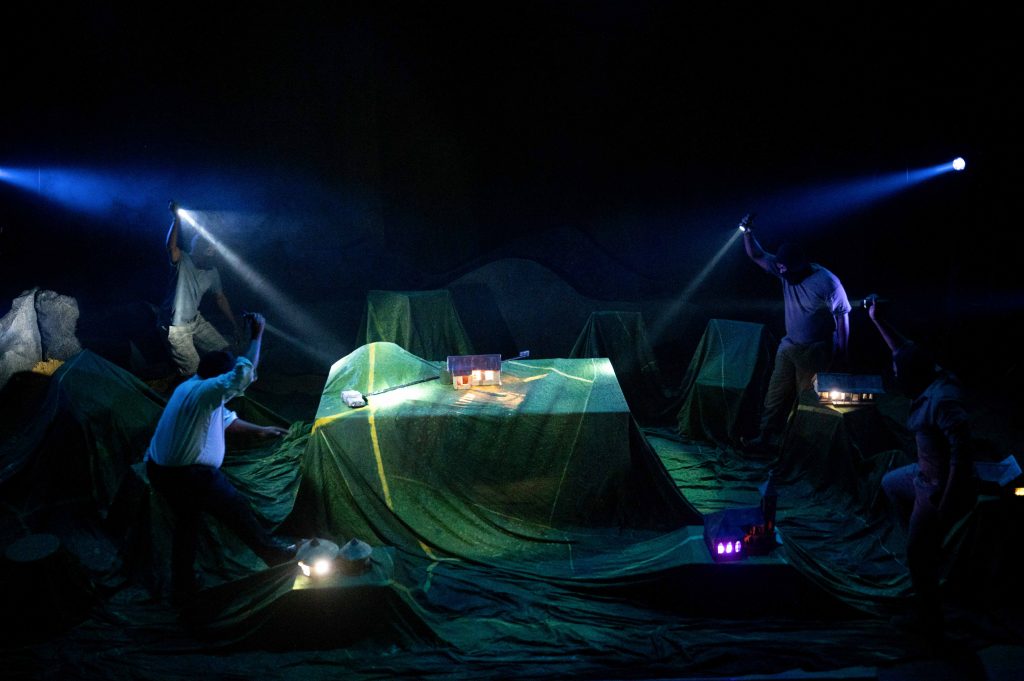
With thanks to our colleagues at Empatheatre and groundWork. Footage and images from the play used in the Amicus Brief were provided by eARTh Agency NPC in association with Empatheatre.