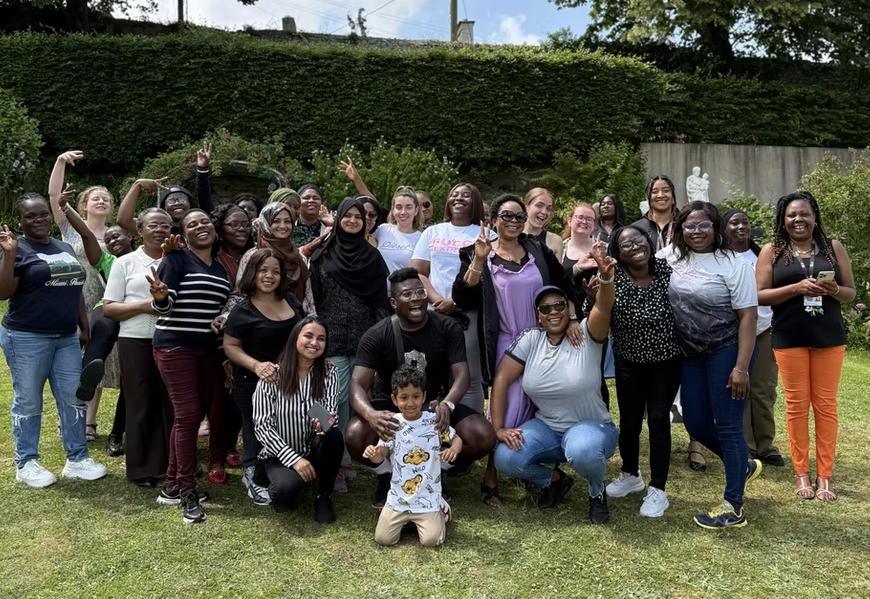
This post is based on a presentation at the LSAANZ conference on Rights, Relationality, Resilience, Reciprocity on 4 December 2025, which explored the possibilities of centring the concept of belonging in lawmaking places and processes. The presentation drew on a combination of work undertaken as part of the Home in Crisis project, as well as some of my previous reflections, and indeed, frustrations, about international lawmaking processes, and is presented here as a starter for conversation and a warm invitation to rethink and reimagine academic, as well as law- and decisionmaking, practices.
As part of the Home in Crisis project, I am in the early stages of exploring the project’s central questions together with migrants in Cork, Ireland, with a particular focus on migrants seeking international protection. The law and governance of international protection in Ireland – as is the case in other places in Europe and beyond – present significant challenges for applicants, with highly questionable assessment processes and very limited support, and there are plenty of stories of repeated processes of harm and injustice. People who have often left their original homes because of local harms caused by external actors, including through extraction, contamination, deforestation and climate impacts are then harmed again directly by systems in the country where they seek to rebuild their lives. Indeed, many migrant stories are ones of resilience and survival despite, rather than thanks to, the law. In this challenging context, migrant groups and organisations in Cork are successfully using a wide range of creative methodologies and initiatives to create intersectional intercultural belonging.
Before going further, it must be acknowledged that belonging is a highly contested concept, which has roots and meanings in a number of different disciplines. For the purposes here, I am using a working definition which draws on the work of Alyson Mahar et al (2013) as well as Clayton Chin (2019) and is also informed by migrant practices in Cork. Accordingly, belonging as used here means:
A subjective feeling of value and respect, built on a foundation of shared experiences, beliefs or personal characteristics, which is affected (positively and negatively) by complex interactions between environmental and personal factors, and that keeps intercultural intersectionality at the centre.
This is a conceptualisation of created belonging that is not based on nationality, race, or religion. This intercultural and intersectional understanding of belonging counters some of the risks with the concept, where belonging to a group creates the exclusion of ‘others’. It is in this context that we see truly fantastic efforts at community building and support for those seeking to make Ireland their home.
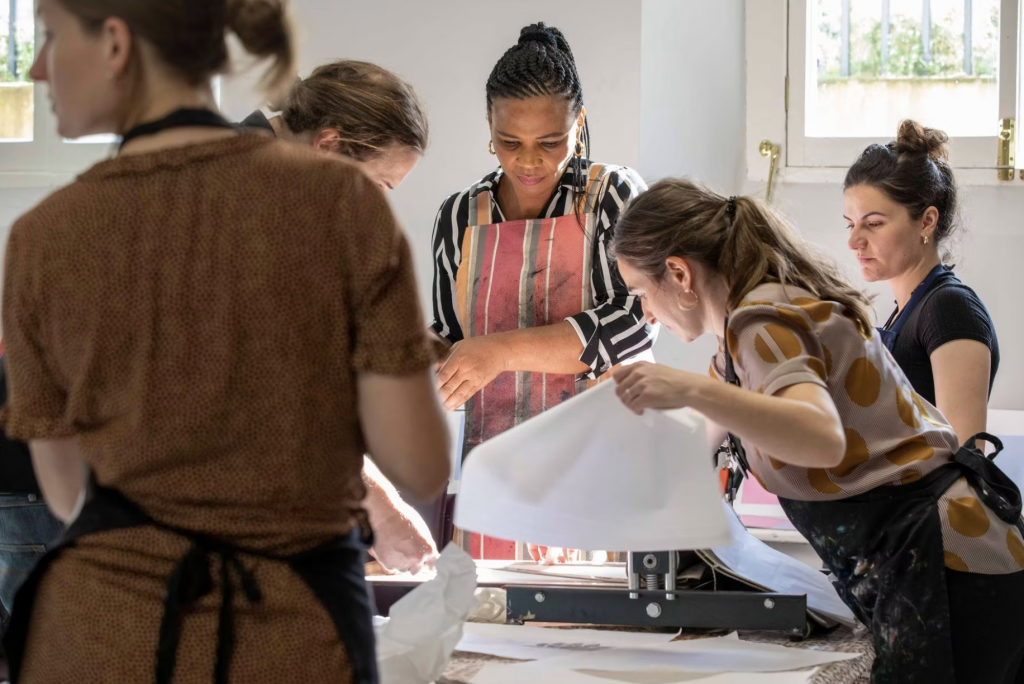
Image by Cork Migrant Centre
Migrants in Cork, including organisations such as the Cork Migrant Centre, employ a range of initiatives including music, theatre, poetry, paintings, an international garden, and coffee mornings, to create and enhance belonging. A fantastic aspect of the work of Cork Migrant Centre and other actors in Cork is the way that they make space for the complexities of peoples’ stories and to allow for these stories to be expressed in the ways in which persons want to tell them, may it be through spoken word, music, theatre, storytelling, chats over coffee, or anything thing else. It is wonderful to see how people from all over the world, across cultures, races, gender, and ages are coming together in deeply meaningful, often joyful, and always respectful, ways; whether it is with the aim of being together, finding an outlet and a home for expressing and processing feelings, or sharing their stories with a view to make them heard by those in power. From the perspective of this project, the work in creating belonging and what it does for the sense of home is extraordinary in many regards, but I want to highlight one in particular: the actively and skilfully created openness to multicultural and intersectional engagements.
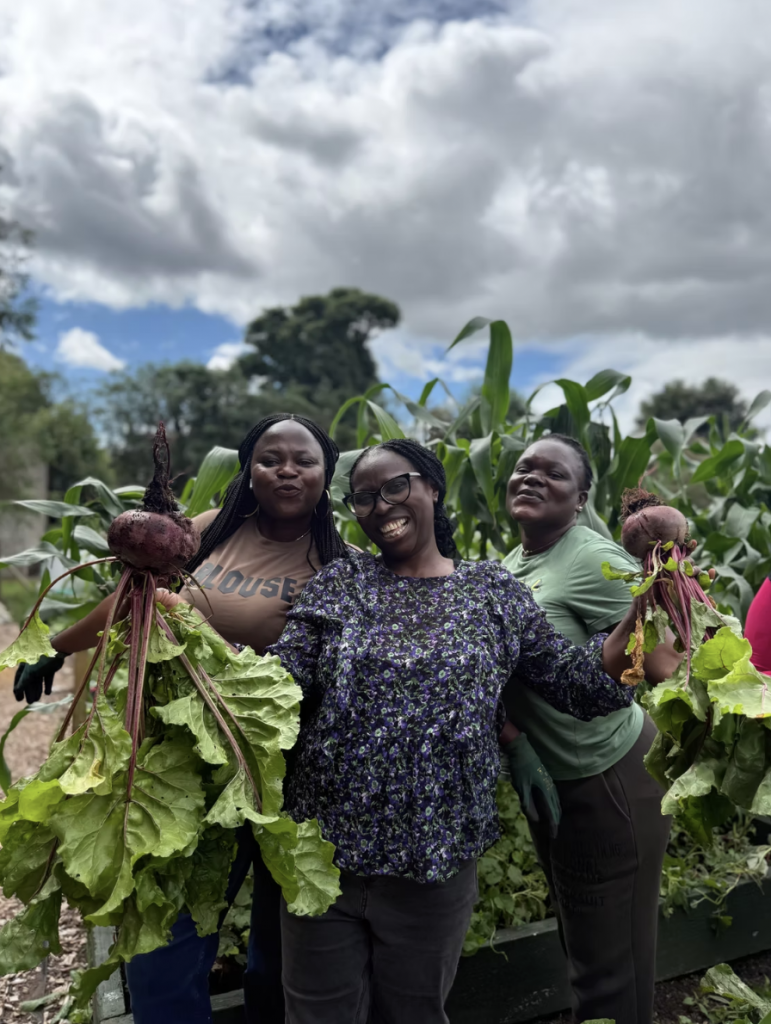
Image by Cork Migrant Centre
The initiatives mentioned above stand in stark contrast to approaches to participation and inclusion into lawmaking processes, which presuppose a core that others can be included into. A ‘seat at the table’ with limited power to challenge the status quo. This issue is not limited to the domestic level, but is also highly problematic for international lawmaking with its colonial, imperialist, and extractive roots, which in turn link back to root causes of migration and displacement. This, in turn, has had me thinking more deeply about how we work in international lawmaking, as well as in our own research practices. Accepting that there is a lot of work to be done in this space, it has brought me to the preliminary conclusion that we need to abandon the starting point from which we tend to consider questions around inclusion and participation in favour of a much more curious, creative, and open approach. And I do believe that a centring of belonging could function well for such initiatives. I would argue that anyone, from academics to lawmakers, working to create more just laws, can gain important insights from the ways in which migrant groups work – with great care, skill, education, and effort – to create belonging through safe and creative spaces of expression, listening, and engagement.
With the above in mind, I would like to offer a warm and open invitation to colleagues to be humble and acknowledge that those of us working in and with law(making) have much to learn from those who are already doing great work centred around making people feel like they belong. Moving beyond concepts of inclusion and participation and centring belonging can allow us to break free from current disciplinary limitations and radically reimagine what lawmaking could look like.