
Opti-MaP Newsletter 1
July to November 2024
Launching Opti-MaP
The Optimising Maternal and Perinatal Death Surveillance and Response to prevent future deaths project was successfully launched on 1st July 2024.
The research teams in Uganda, Ethiopia and Ghana held successful launches of the project with
meetings with key stakeholders at district and national level. The researchers shared the project vision and objectives detailing how they will work with the health system, community members and other stakeholders in the countries.
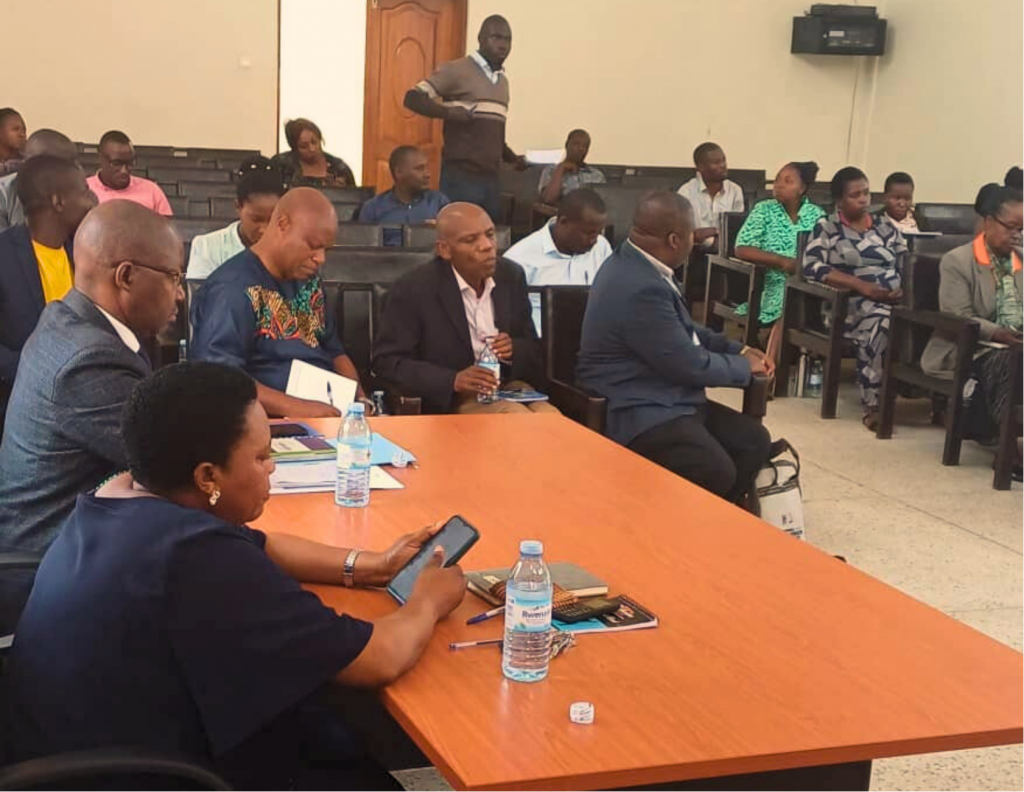
Project launch in Kamwenge District, Uganda, 21st August 2024. The Uganda research team was led by Prof Jerome Kabakyenga and met district level stakeholders including administrative leaders, district health medical teams and community leaders.
the launch of the Opti-MaP project in Ethiopia, at Haramaya University on 29th August 2024.
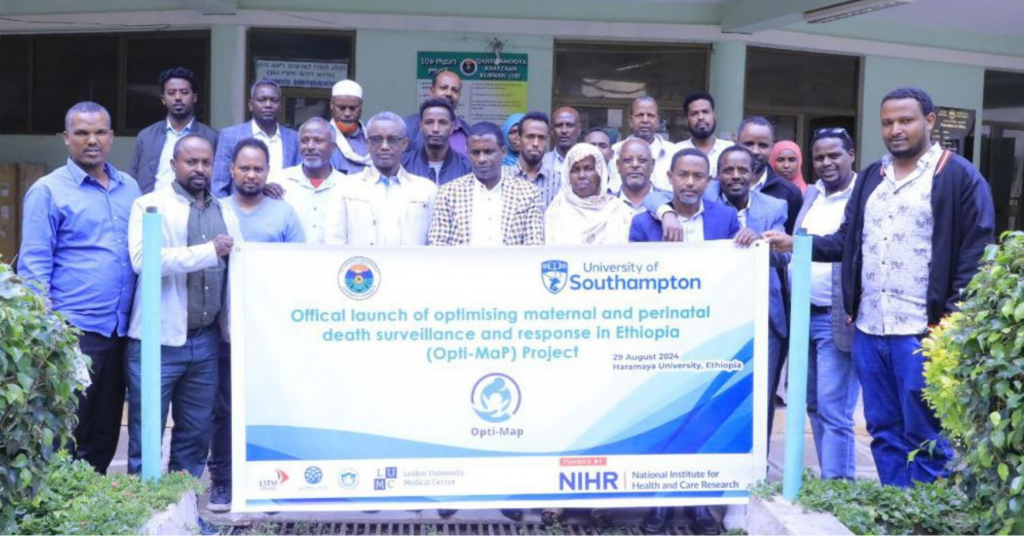
The meeting at Haramaya brought together health professionals (from the districts where the project will be implemented), research staff, the heads of the regional, zonal, and district health bureaus, zonal and district focal persons and members of the community advisory board.
Ethics: All three countries have received ethical approval paving way for the research to begin.
Contracts: Discussions on signing of the collaboration agreements between University of Southampton and the different partners are on-going. We hope to have signed collaboration agreements before the end of 2024.
Community engagement training
Training of community advisory board (CAB) members has been carried out in Uganda and Ethiopia. CAB members are expected to link researchers with community members by advising and providing feedback on the research implementation process. 5 CAB members in Uganda and 11 in Ethiopia were trained over a three-day period on their roles and responsibilities and the importance of community engagement in research.
During the training CAB members were introduced to the research project objectives and planned activities. Research staff used participatory to elicit feedback from CAB members on the planned activities across the work packages. CAB members found the training useful and expressed their
gratitude for their selection and look forward to a collaborative relationship with the research teams in Ethiopia and Uganda. A CAB member commented:
“I have found the training useful as we have been trained on how to communicate with researchers […] and represent the community adequately. We also learned about communicating with community members to tell them about the research project activities. The training was good because it allowed me to meet with other community members from other districts” – CAB member, Uganda
A similar training for community advisory boards is Ghana will be conducted in mid-November.
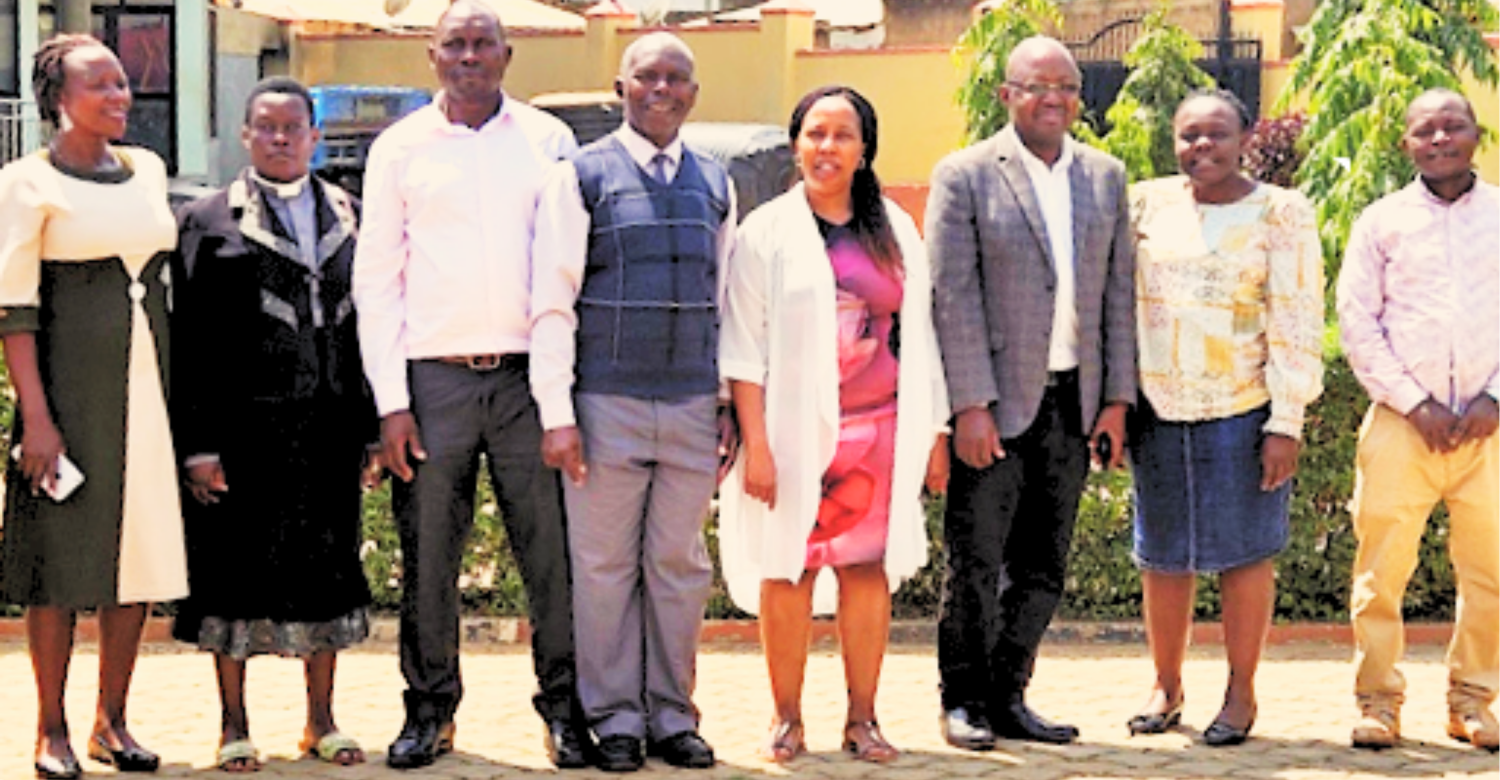
Training of CAB members in Uganda was held from 17-19th September 2024.
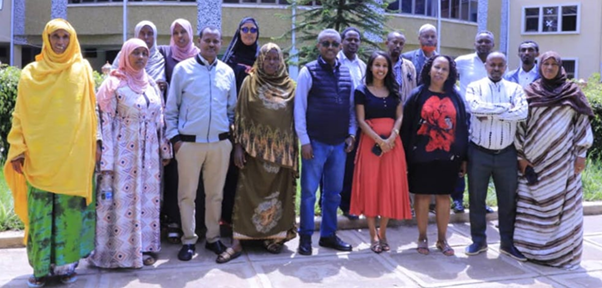
CAB members in Haramaya, Ethiopia, trained from 24th to 26th September
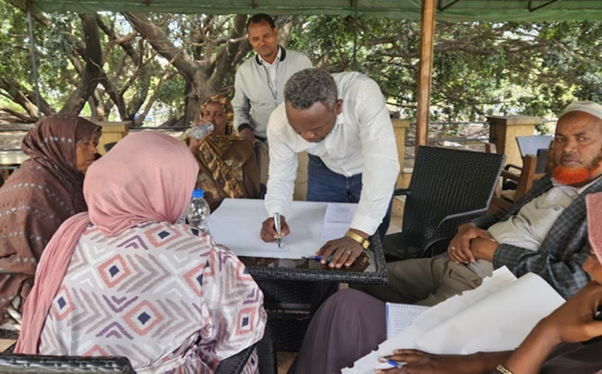
CAB members brainstorming during their training in Ethiopia
National Project Steering Committee
Uganda’s first National Project Steering Committee meeting was held on 5 th November in Kampala. External members included the Assistant Commissioner for Health Promotion and Community Health at the Ministry of Health, a senior professor of obstetrics, and a
former MP who was involved in making resolutions on maternal health.
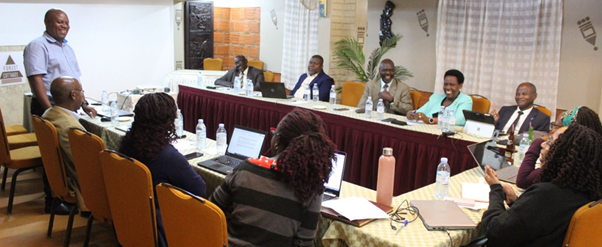
Their feedback was invaluable. The Ministry of Heath made it clear that rather than introducing new tools, we should work to improve the tools they are already using (especially for monitoring quality of care in health facilities), in order to have a sustainable impact beyond the project. We were advised to put more emphasis on improving quality of clinical records (WP3) and on involving hard-to-reach communities, where death rates are higher (WP1 and WP6).
International Advisory Group
The International Advisory Group held its first meeting on 16 th October, attended by 7 independent members. We introduced the project to them and discussed the terms of reference. Initial advice was to include behavioural mapping across all the work packages.
National Safe Motherhood Conference, Uganda
Opti-Map was well represented at the 4th National Safe Motherhood Conference in Munyonyo, Uganda (29th to 31 st October 2024). The theme of the conference was ‘Strengthening community engagement for sustainable maternal and newborn health’. The conference brought together 800 delegates who included policy makers, donors, academics, politicians and front-line healthcare workers to share experiences on reproductive, maternal, newborn, child and adolescent health. A key takeaway from the conference was the importance of multisectoral collaboration and integration.
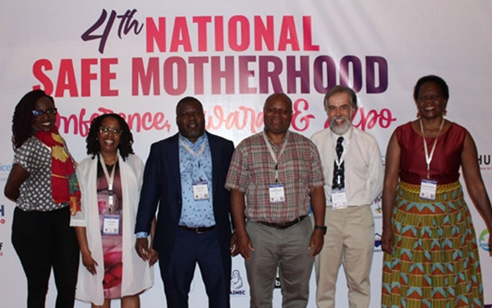
L to R: Dr Brenda Kharono, Dr Mary Mbuo, Dr Paul Isabirye,Dr Vincent Mubangizi, Dr Merlin Willcox, Dr Imelda Namagembe.
Dr Mugahi (Commissioner for Reproductive Health Services, and Opti-MaP team member) called on delegates to commit to integration when implementing projects citing the importance of community engagement in maternal and newborn health. “Integration is not a word, it’s an action”
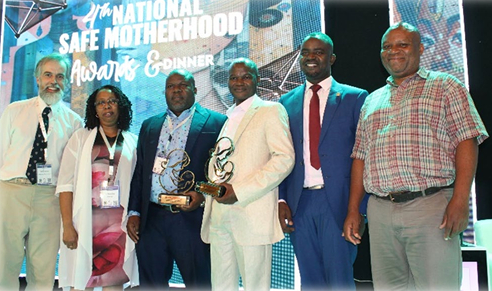
Dr Vincent Mubangizi, Dr Merlin Willcox and Dr Mary Mbuo presented an overview of the Opti-MaP project at the conference. May congratulations to Dr Daniel Murokora and Dr Paul Isabirye (PhD candidates on the project) who received national awards for their
outstanding contributions to reducing maternal and perinatal deaths in Uganda.
New publications on MPDSR
- Walugembe DR, Plamondon K, Kaharuza F, Waiswa P, Wylie L, Wathen N, Kothari A. Exploring
variations in the implementation of a health system level policy intervention to improve
maternal and child health outcomes in resource limited settings: A qualitative multiple case
study from Uganda. PLOS Glob Public Health. 2024 Nov 26;4(11):e0003290. doi:
10.1371/journal.pgph.0003290. PMID: 39591429; PMCID: PMC11594426. - Walugembe DR, Plamondon K, Kaharuza F, Waiswa P, Wylie L, Wathen N, Kothari A. Using
normalisation process theory (NPT) to explore implementation of the maternal perinatal death
surveillance and response (MPDSR) policy in Uganda: a reflection. Health Res Policy Syst. 2024
Nov 4;22(1):148. doi: 10.1186/s12961-024-01191-x. PMID: 39497093; PMCID: PMC11536870. - Girma S, Tura AK, Ahmed R, Knight M, van den Akker T. Incidence, Causes and Outcomes of
Postpartum Hemorrhage in Eastern Ethiopia: A Multicenter Surveillance Study. Matern Child
Health J. 2024 Dec;28(12):2106-2114. doi: 10.1007/s10995-024-03986-4. Epub 2024 Sep 19.
PMID: 39298069; PMCID: PMC11564406. - O’Connor C, Leitao S, Corcoran P, O’Donoghue K. Perinatal deaths in twin and singleton infants
in Ireland: A comparison of characteristics and causes. Ir J Med Sci. 2024 Nov 4. doi:
10.1007/s11845-024-03829-9. Epub ahead of print. PMID: 39495474. - Forbes G, Akter S, Miller S, Galadanci H, Qureshi Z, Al-Beity FA, Hofmeyr GJ, Moran N, Fawcus
S, Singata-Madliki M, Wakili AA, Amole TG, Musa BM, Dankishiya F, Atterwahmie AA,
Muhammad AS, Ekweani J, Nzeribe E, Osoti A, Gwako G, Okore J, Kikula A, Metta E,
Mwampashi A, Evans C, Mammoliti KM, Devall A, Coomarasamy A, Gallos I, Oladapo OT,
Bohren MA, Lorencatto F. Development and Piloting of Implementation Strategies to Support
Delivery of a Clinical Intervention for Postpartum Hemorrhage in Four sub-Saharan Africa
Countries. Glob Health Sci Pract. 2024 Oct 29;12(5):e2300387. doi: 10.9745/GHSP-D-23- - PMID: 39261009; PMCID: PMC11521548.
Acknowledgement
This research is funded by the NIHR (NIHR 156746) using UK international development funding from
the UK Government to support global health research. The views expressed in this newsletter are those
of the authors and not necessarily those of the NIHR or the UK government.