By Nivikka Witjes
This post is based on a presentation Nivikka gave at the Home in Crisis Gathering, Johannesburg in August 2026. It forms part of our “Joy and Crisis” blog symposium
I want to take you somewhere.
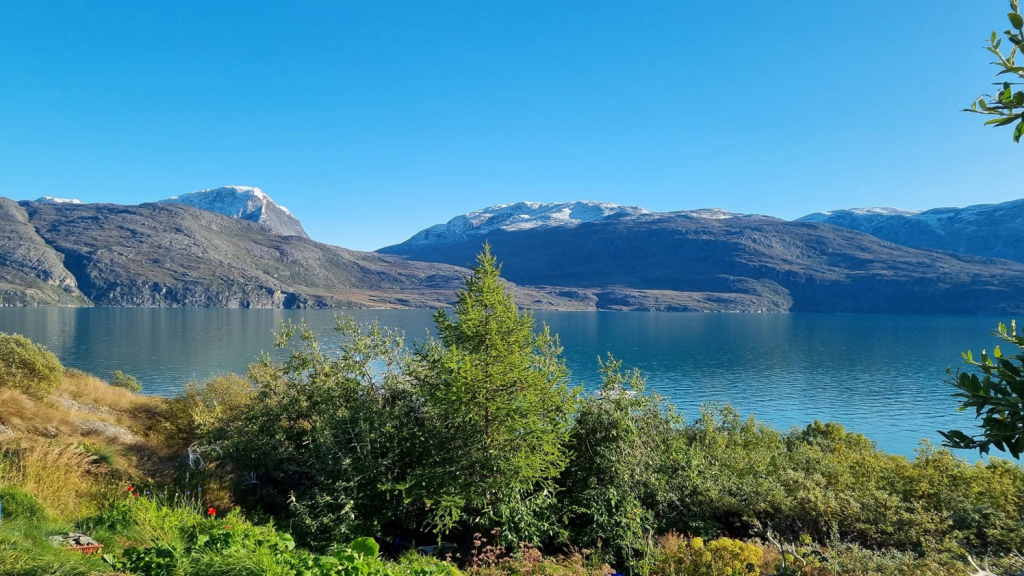
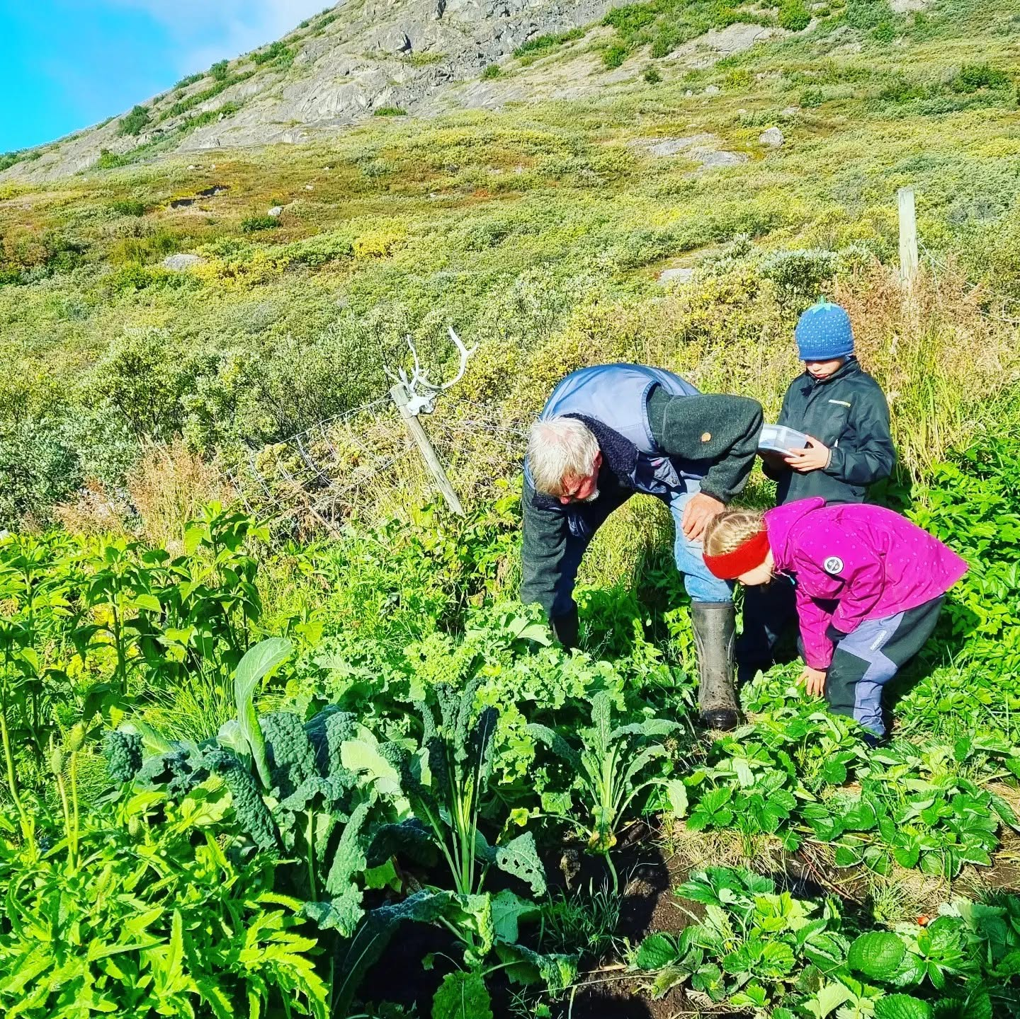
This is my father’s garden in Kalaallit Nunaat.
It is inside the fjord. There are no roads and no electricity. We come here by boat, we sleep in tents, and when we are here, we have to live according to the conditions around us.
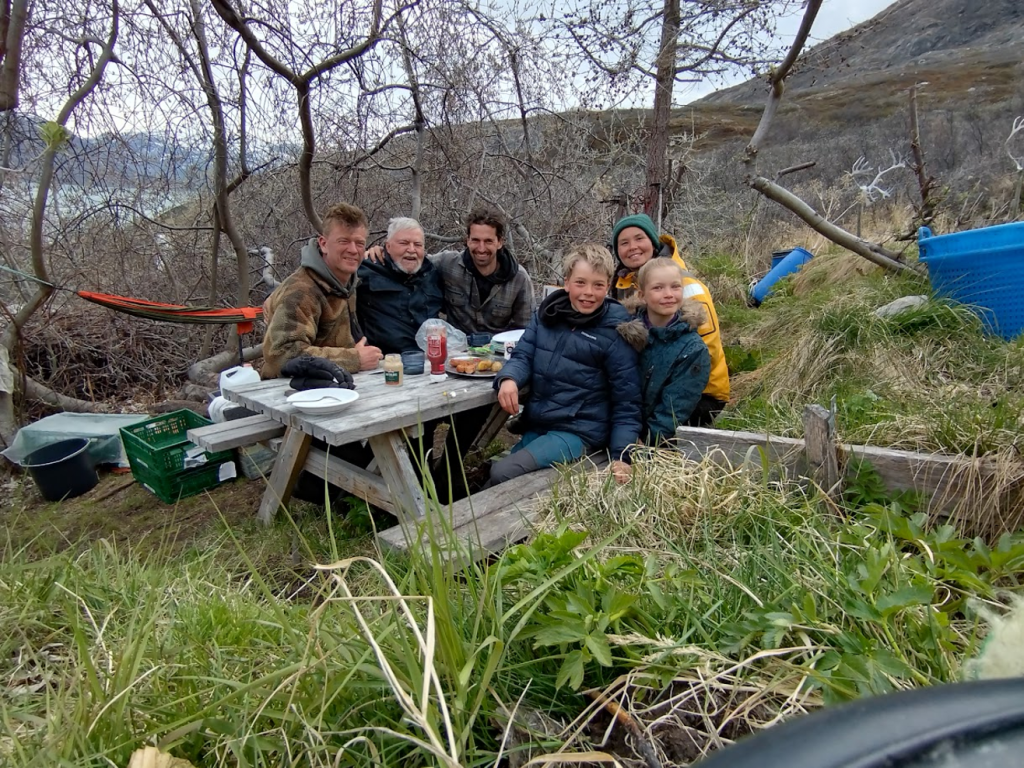
This place has been part of my life since I was a child. And today, I bring my own children here.
For my family, this place has become home.
But when I say home, I don’t only mean a place that we love.
I mean a place that we have learned how to live in.
We come here by boat.
The journey into the fjord is part of arriving here.
From the water, the garden is small within a much larger landscape.
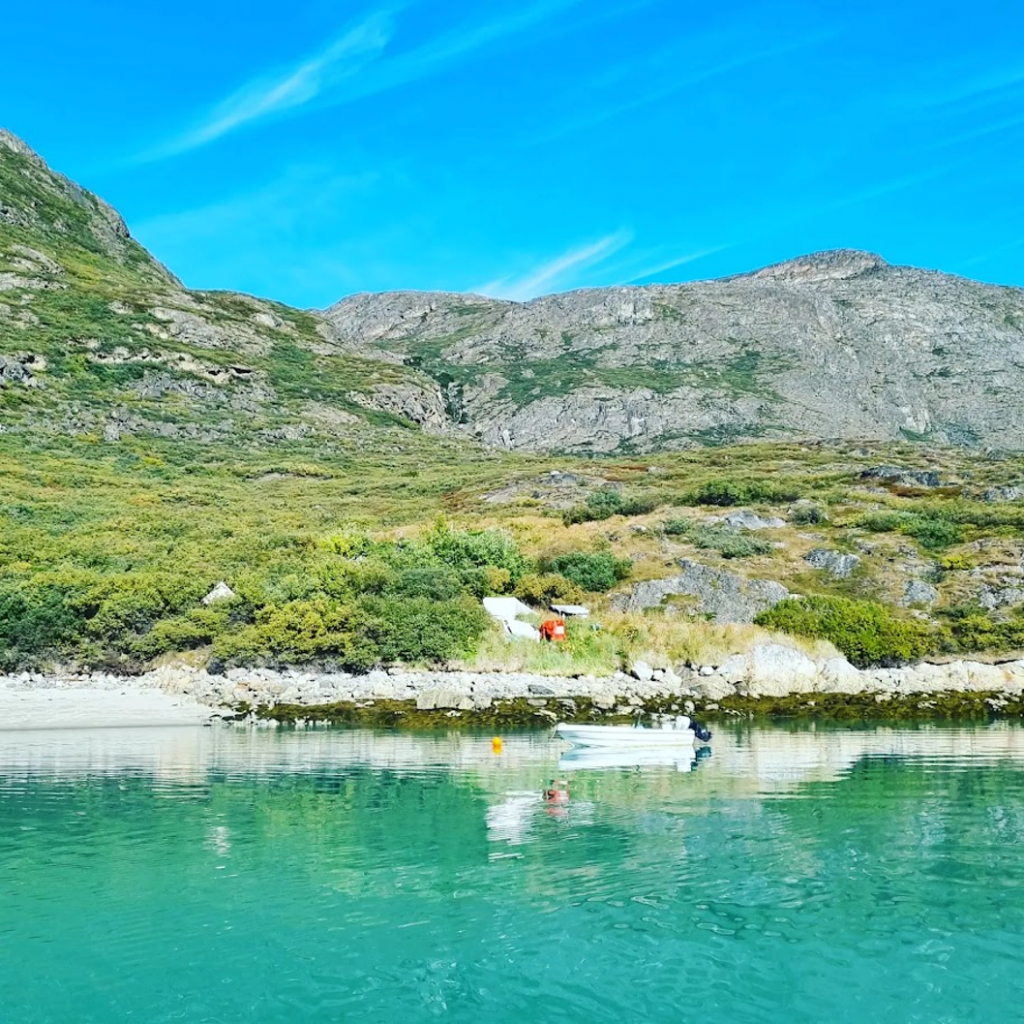
We don’t just come here to look at the landscape.
We live here.
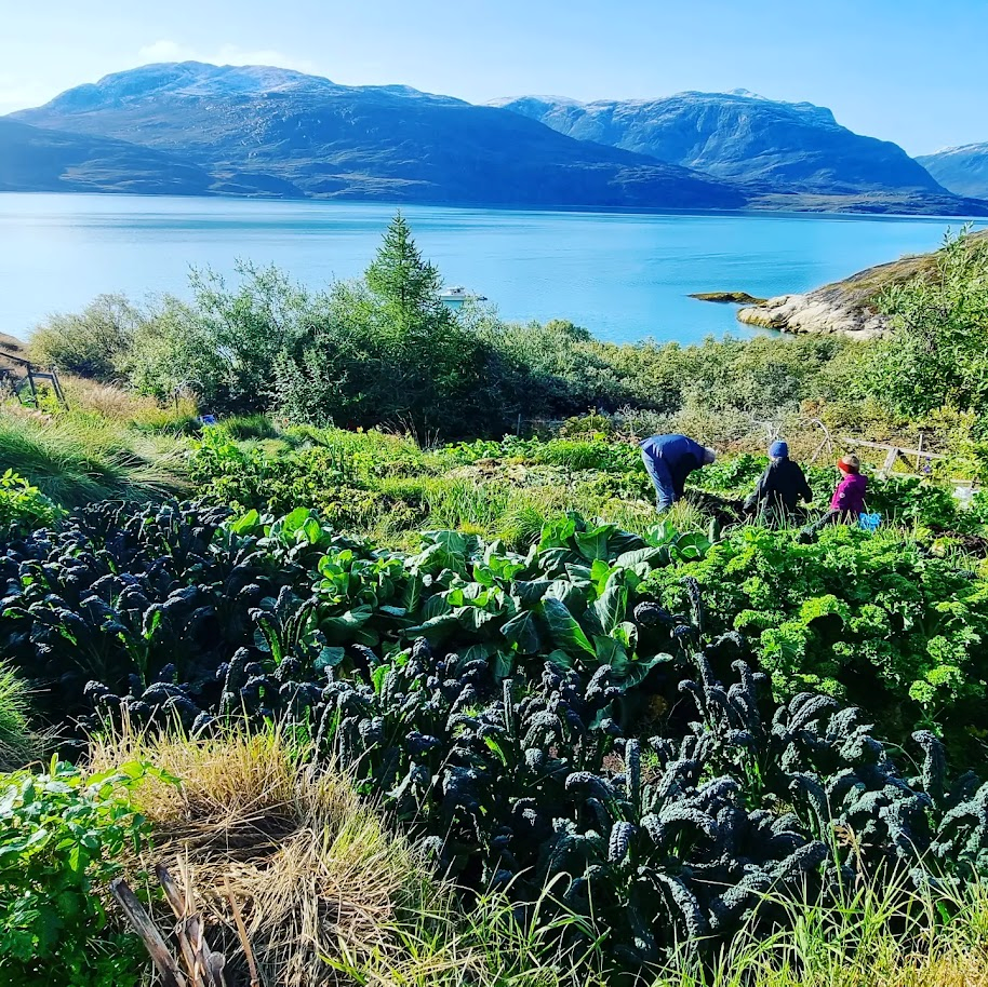
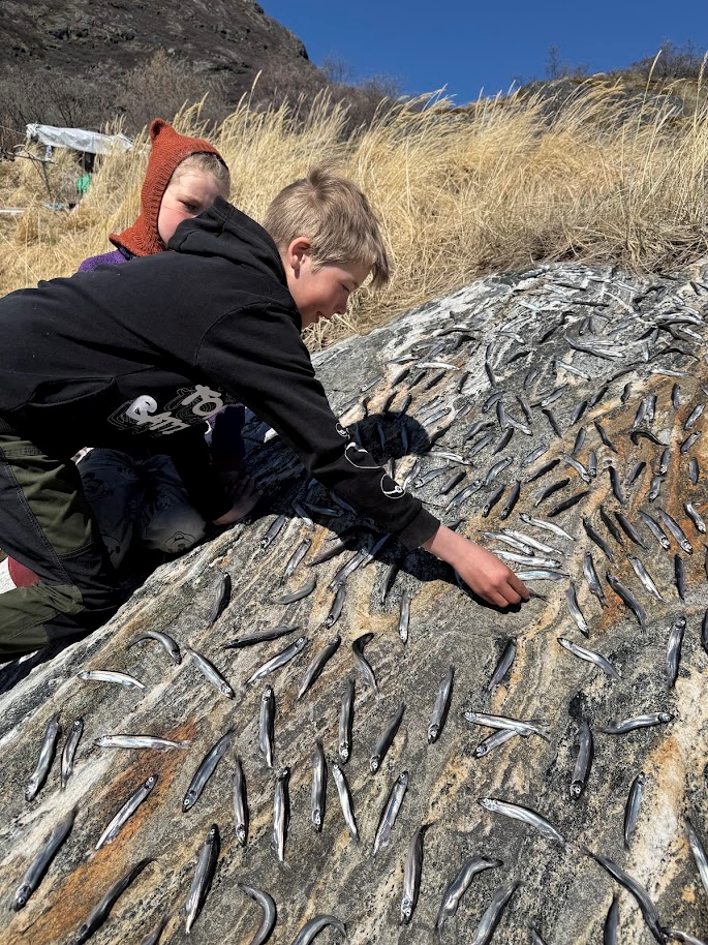
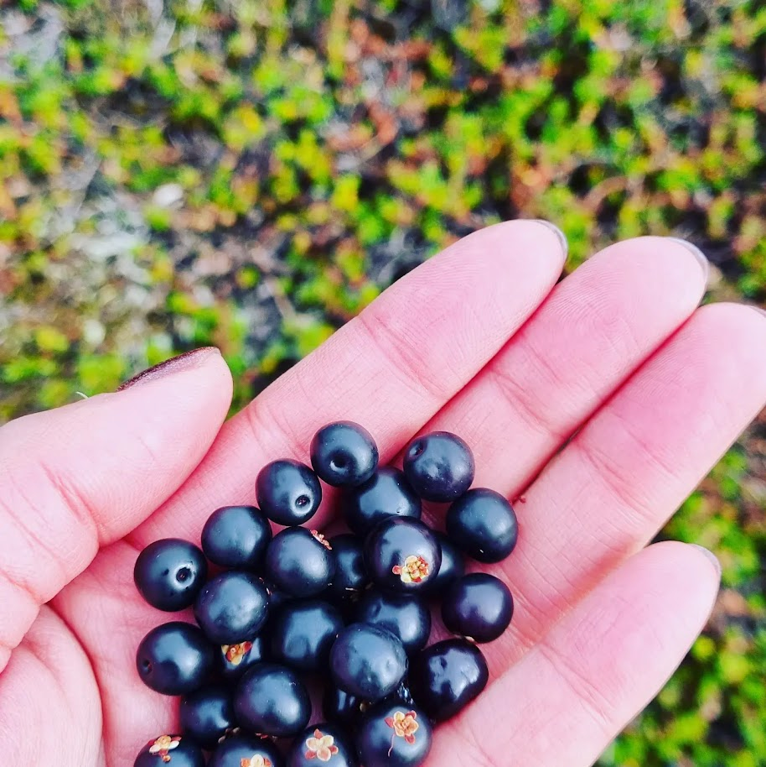
We fish, we pick berries, we hunt reindeer, we gather food from the land and the sea.
And we grow vegetables.
Gardening is actually something quite new here.
Kalaallit have traditionally been hunting and fishing people.
Growing vegetables is not an old Kalaallit way of living with the land.
My father is Danish, and he started creating this garden many years ago.
My mother is kalaaleq, my father is Danish, and perhaps that is one reason this place has become so meaningful to me.
The garden doesn’t replace the ways we have lived with this place before.
It has simply become another way of living here.
Something can grow without breaking the connection to what came before.
This is me here as a child.
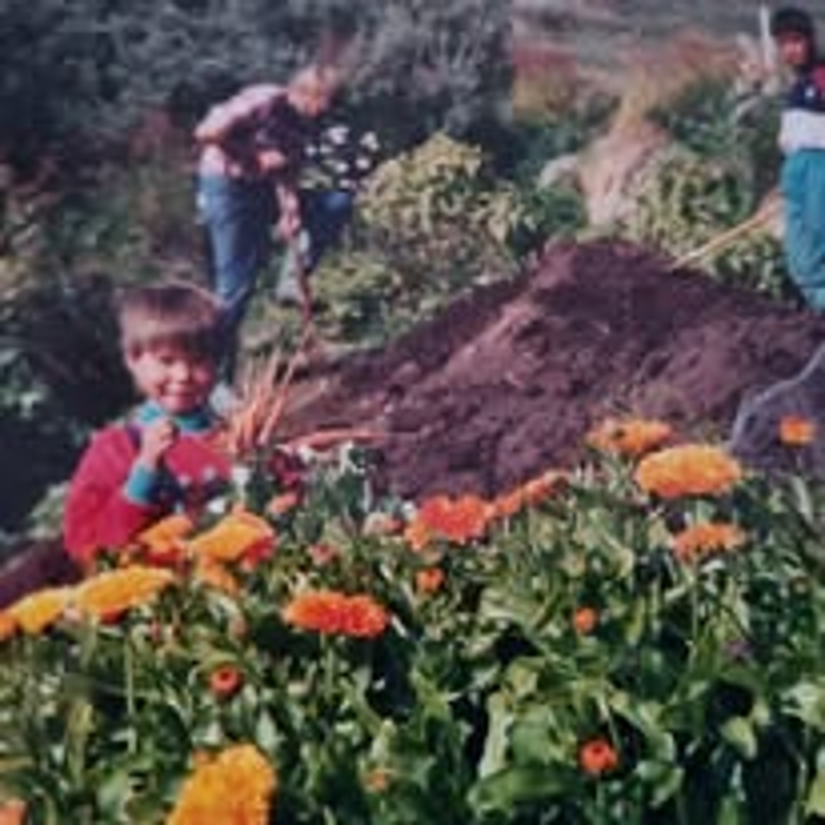
I grew up coming to this place, and I learned it in the same way that children learn so many things.
Not because someone sat me down and explained it to me.
I learned by being here.
By watching.
By following.
By doing.
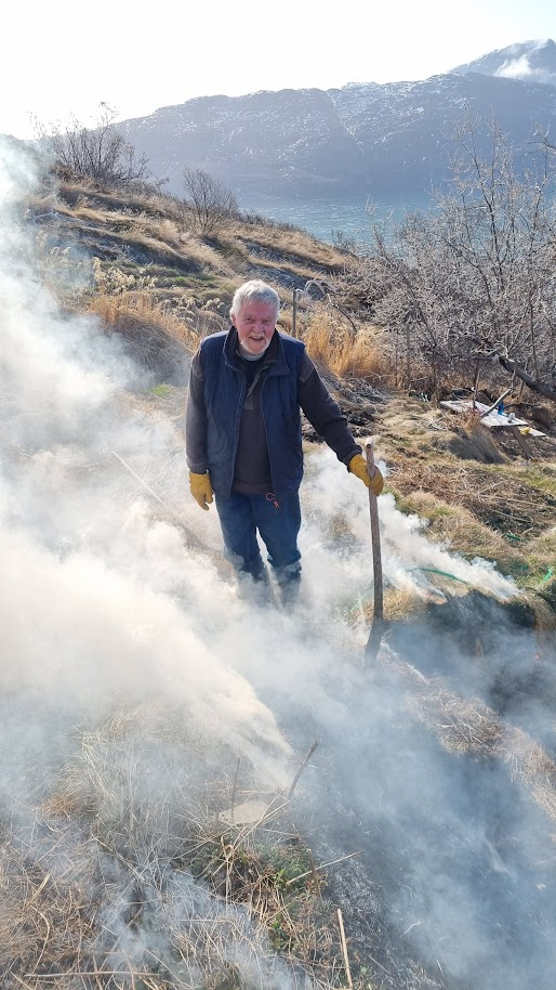
My father is almost 80.
He has spent decades working with this place – learning what grows, what doesn’t, experimenting, adjusting and trying again.
He brought the practice of gardening with him.
But he still had to learn how to garden here.
And now my children are learning this place too.
This summer, we made a fire on the beach. My children went off to collect dry grass and dead branches, and I suddenly realized that they were going to exactly the same places where I used to collect them when I was a child.
I had never told them where to go.
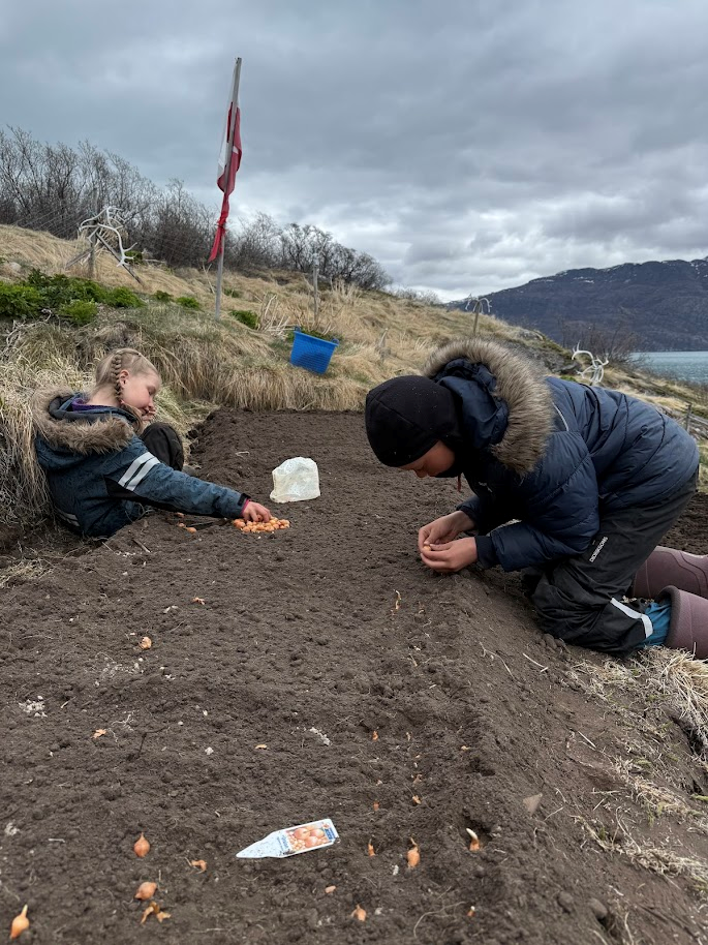
Through being there, they are learning place.
They are learning what to notice.
Where to look.
What works.
How to do things here.
And over time, the body begins to know too – it remembers how to move, what to notice and how to respond.
To know place is also to know how to be competent in relation to it.
Not to control it.
But to know how to live with it.
When I think about what makes that competence possible, I keep coming back to these three things:
Tempo – rhythm – predictability.
My father’s garden is not predictable because it stays the same.
It doesn’t.
The weather changes. The wind changes. Animals move. Seasons change. Conditions can change very quickly.
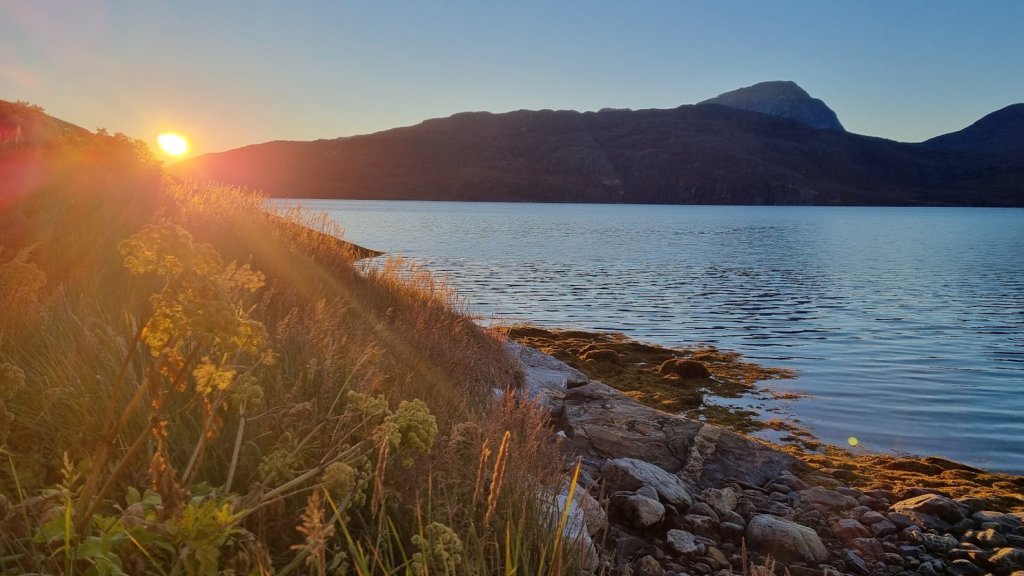
Predictability is not the absence of change.
It’s being able to recognize patterns in change.
To notice signs.
To draw on experience.
And to respond.
We don’t control the environment.
We learn how to read its changes.
And learning that takes time.
It comes from being in relation with place, again and again.
From experiencing its rhythms.
From learning from other people.
From trying, sometimes getting it wrong, and adjusting.
So competence is not a fixed collection of knowledge passed unchanged from one generation to another.
It is the continuing ability to learn with place.
The chapter Miriam Cullen and I made together centered around the question:
Can you become displaced without actually going anywhere?
When weather becomes harder to predict.
When animal migrations change.
When sea ice behaves differently.
When experience no longer gives us the same confidence about what comes next.
The knowledge hasn’t simply disappeared.
The people haven’t forgotten.
But the relationship between knowledge and place has changed.
I may still be home.
But what happens if I no longer know how to be competent at home?
This is where I begin to wonder whether displacement can start before relocation.
Not because we have lost our ability to adapt.
But because the relationship between knowledge, practice and place may be changing faster than we can learn with it.
But I don’t want to leave you with a simple story.
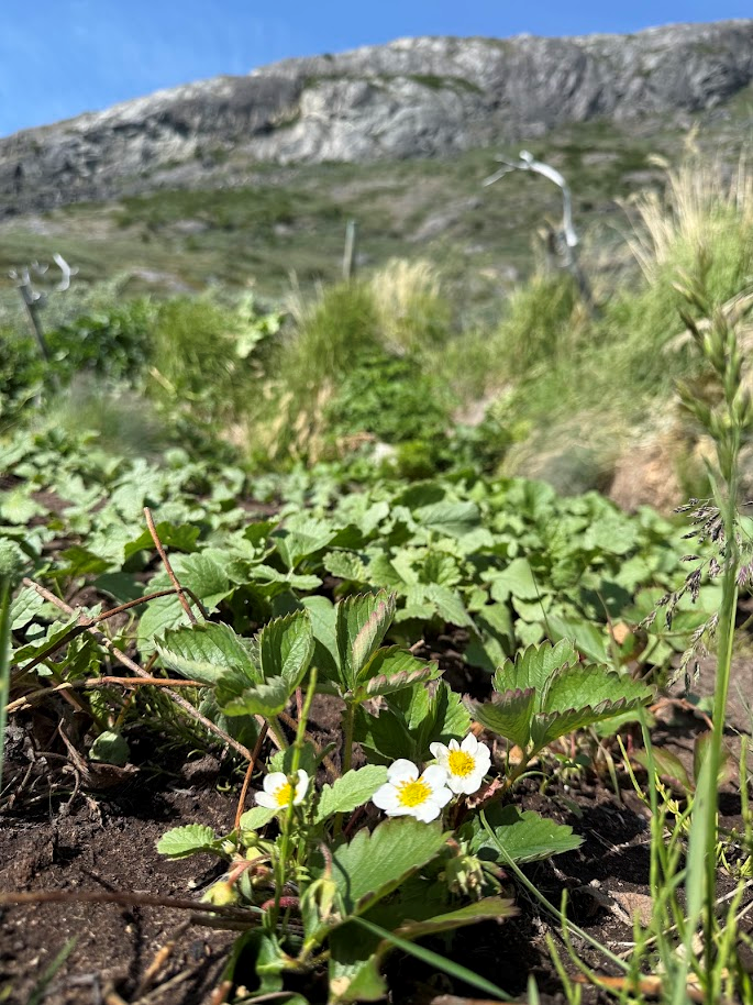
These are strawberries.
We can now grow them outdoors in my father’s garden.
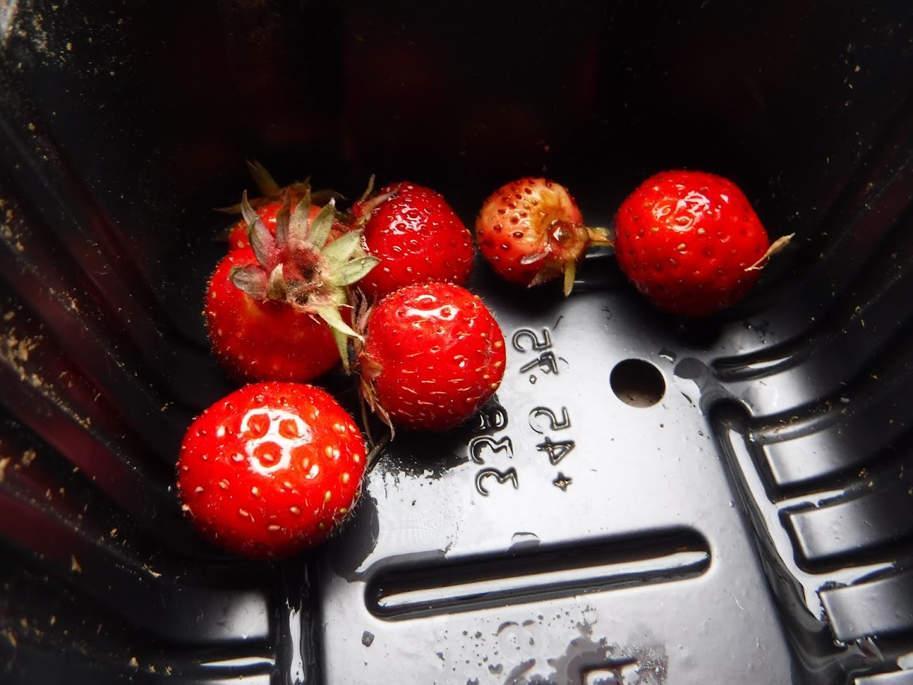
And my little family is genuinely very happy about that.
Climate change is not experienced only as a loss.
Change can also create new possibilities.
We learn new things, we change our practices, and new ways of living with place can emerge.
Something new can grow without breaking the connection to what came before.
So for me, the question cannot simply be whether change is good or bad.
And it cannot be whether people are capable of adapting.
Of course we can adapt.
The question is whether we are still able to adapt at a pace that allows us to remain competent in relation to place.
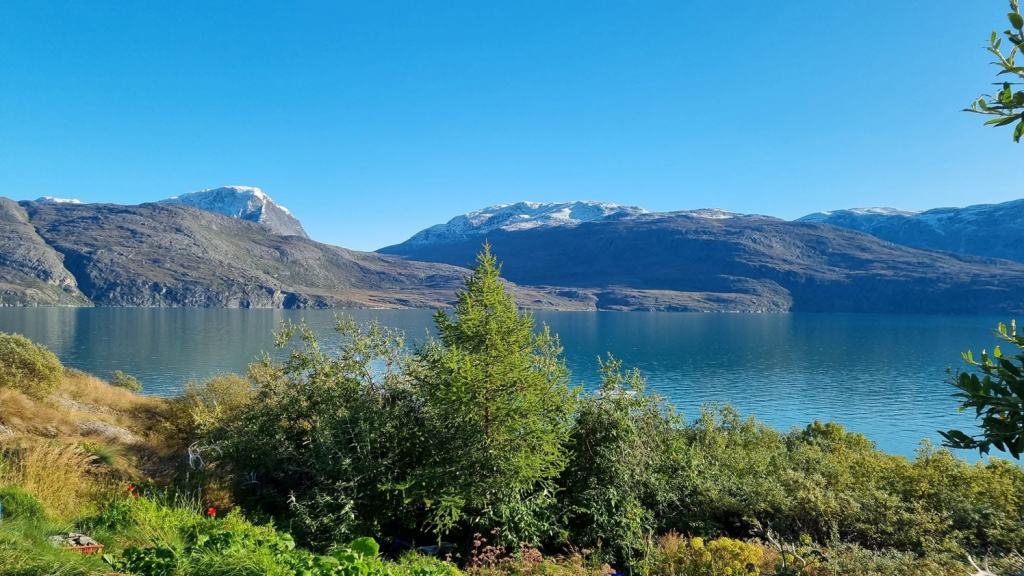
This is still my father’s garden.
It is still changing.
We are still learning.
And we are changing with it.
So when I think about Home in Crisis, I don’t only ask what happens when people have to leave home.
I also wonder what happens when we remain –
but the rhythms through which we have learned to live with place begin to change.
All photographs are used with the permission of the photographer, Nivikka Witjes