Looking at Images, Workshop 1: Picturing Research / Researching Pictures Wednesday 21 May 2014 Winchester School of Art
Guest Speakers
Marquard Smith, Editor-in-Chief of Journal of Visual Culture
Sunil Manghani, author of Image Studies: Theory & Practice
Mihaela Brebenel, Jane Birkin, Rima Chahrour, Nina Pancheva-Kirkova, and Phaedra Shanbaum, who collaborated on the Working with Images symposium as part of the Radical Media Forum (Goldsmiths College 28/02/14).
Picturing Research / Researching Pictures was open to postgraduate and early career researchers working in the areas of image studies, visual culture, media and communications, and art and design. The workshop began with presentations on what is typically meant by image research and considered the different ‘images’ we hold of research itself. Following which, participants worked collaboratively to experiment with and critique an ‘ecology of images’ research tool. All participants were invited to expand on the debates and techniques explored during the workshop to submit individual contributions for the ‘Researcher’s Guide’ e-book.
Picturing Research / Researching Pictures was the first of two workshop events for Looking at Images: A Researcher’s Guide, an AHRC-funded project which ran over 2014. The project focused on the development of skills in image-related research, prompting dialogue between and within the subject areas Art & Design and Media & Communication (concerning both practice and non-practice research). It culminated in a launch event, at the British Library, for a collaboratively produced ‘Researcher’s Guide’ e-book. The idea for the overall project, Looking at Images, grew out of three main influences:
(1) Marquard Smith (editor of the Journal of Visual Culture) offered a key contribution to Winchester School of Art’s Centre for Global Futures in Art, Design and Media, with a presentation about the ‘image’ of research. Subsequent discussion also informed WSA’s Postgraduate Conference 2013, which identified a need in developing deep-level skills pertinent to understanding and handling the image in and as research across a range of areas.
(2) Approaches to thinking critically about images and image practices while simultaneously engaging with image-making processes has been difficult to formulate. Sunil Manghani’s Image Studies (Routledge, 2013) is one key publication that speculates upon specific research tools and approaches for both obtaining and handling images (relating to issues of access, quality, ethics and intellectual property) and critiquing them (including the use of images as a means of critique). The book includes an ‘ecology of images’ diagram as a proposed research tool, with examples of its use to stimulate and enrich image research.
(3) The recently launched Photomediations Machine(a sister project to the online open access journal Culture Machine) has renewed debates about the form of scholarly work. Curated by Prof. Joanna Zylinska (Goldsmiths), it provides an online space where ‘the dynamic relations of mediation as performed in photography and other media can be critically encountered, experienced and engaged’.As a platform for combined theoretical and practical work, it has led us to think further about the future of image-based, open access research in the field of visual culture.
Lisa Temple-Cox’s doctoral research centres around a practice of drawing, focused upon issues of the body after death. In this post she reports upon a ‘dissection drawing event’ she attended organised by BIOMAB (Biological and Medical Art in Belgium) and in collaboration with ARS International and the University of Antwerp’s Faculty of Medicine. This annual event brings together independent artists, medical and anatomical arts students and their tutors, and surgical students from Antwerp University.
The opportunity to draw from life, as it were, in the dissection theatre is now extremely rare. Gone are the days when the study of anatomy in arts included working from bodies that were not only unclothed, but exposed beneath the skin. Jacques Gamelin’s series of expressive anatomical drawings of écorchés, published in his 1779 Nouveau Receuil d’Ostéologie et de Myologie, were subtitled ‘dessiné après nature’: as opposed, I assume, from working from casts or sculptures – the notable écorché of an executed smuggler in the pose of ‘the dying Gaul’ (nicknamed ‘Smugglerius ‘ by generations of 18-19C art students at the Royal Acadamy) comes to mind.
The event took place over two days. The first day was at the veterinary school of the University of Ghent, which offered the opportunity, via dissection of a number of donated animals, to learn about the differences between animal and human anatomy We saw, among other organs, a dog’s five-lobed liver – that organ which Galen used, erroneously, to describe a human liver, basing his work on human anatomy through animal dissections. (His work dominated Western medicine for over a thousand years until challenged by that ‘greatest single contributor to the medical sciences’, Andreas Vesalius, of whom more later).
Figure 1
The morning being taken up by the dog dissection (fig1) – donated, after it’s natural demise, by its owner who is a member of staff at the school – in the afternoon students were given the chance to work either from fresh specimens or to explore the on-site museum. While it was difficult to choose between the lab and the museum, I was very interested in the displays of animal teratology that the latter contained. It was in the museum that I came across this cephalothoracopagus calf skeleton (fig2): a fascinating comparative object against which to consider a similar (human) teratological specimen I’d drawn in the Mutter Museum on a previous research trip.
Figure 2
Figure 3
An additional and unexpected benefit of this trip was that it coincided with an incredible exhibition at the Museum voor Shone Kunsten Gent: “Gericault: Images of Life and Death”. The exhibition began with a copy of ‘The Raft of the Medusa’ painted around 1860 by Pierre-Désiré Guillemet and Étienne-Antoine-Eugène Ronjat – the original not being permitted to leave the Louvre – and included a huge number of Gericault’s sketches and paintings, as well as supporting images by his contemporaries and influences, historical political information, sculptures, paintings, and contemporary artworks. I was especially excited to see – in the flesh, so to speak – his preparatory studies for the Raft, including the oil sketches popularly known as ‘the morgue paintings’: a happy coincidence given the reason for my visit, and that they form part of my visual research. The exhibition further included a number of death masks, moulages, anatomical atlases and plates – including some of Gamelin’s écorché drawings – and a life-sized, full colour print from Jacques-Fabien D’Agoty’s ‘Myology Complete’ showing the muscles and nerves. Most striking, however, was Gericault’s own death mask. Starkly lit and gaunt in the extreme, the skull could be discerned, even through the medium of plaster, under the taut and fragile skin of his face: echoing his own studies of severed heads, here was the artist, anatomised. It produced, in me, neither horror nor disgust – a philosophical distinction much discussed in his day – but, like the anatomical plates, and the dissection drawing event that was the primary purpose of my visit, inspired a kind of fascination that bypassed the grotesqueness of suffering and entered the realm of the Pieta. (fig 3)
Figure 4
The second drawing day took place in the dissection lab at the University of Antwerp, where a range of body parts – both preserved in formaldehyde, and fresh – were laid out for students to work from. During this session the surgeon, Francis Van Glabbeek, continued a dissection on the left arm of the cadaver, (fig 4) an elderly woman who had died naturally and generously donated her remains to the school, while one of his surgical students dissected the throat. Throughout these processes they described what they were doing and explained the anatomy, pausing at regular intervals to allow for students to make notes and sketches. During our visit some footage was filmed as part of an upcoming documentary charting the life of Vesalius, who was born in Brussels in 1514, and whose anatomical atlas – De Humani Corporis Fabrica (1543) – changed the study of human anatomy in ways that continue to be felt. In conversation with Van Glabeek – whose interest in the history of western medicine includes a personal collection of some very rare tomes, the Fabrica included – I was informed that Vesalius’s treatise known as the Epistola Docens was, in his opinion, the first PhD as we know them today. He explained that it was not, as was usual at the time, a doctorate gained by the repeating of knowledge already known, but a document which sets out a problem and methodically shows the steps taken in order to solve it and arrive at a conclusion – a pertinent and timely reminder of the scholarship and enquiry that underpinned the work of all the participants of this event.
Figure 5
Aside from conversations over the course of these two days, many of which have opened up new or additional lines of enquiry, I found the event useful on several levels, creative and philosophical. In this opportunity to see beneath the skin – enter the hidden world of the body – there is something both beautiful and disturbing. It is a transgressive act, the cutting and incising: simultaneously revealing and destroying. I was moved and fascinated by the carefully exposed surfaces of the bones of the arm, with the wing of skin and sinew folding away from it – like an elegant shawl, or Isadora Duncan’s scarves with their movement arrested mid-dance. (fig 5) I was as drawn to the stripped arm this year as I was to the careful cutting of the hand last year (A process that I felt compelled to watch and draw even as I experienced an unpleasant sympathetic sensation in the tendons of my own hands.) This year additionally provided a pair of legs: already part-anatomised, the only skin left on the spindly limbs were the toes, strangely wrinkled and folded flat against each other. I drew these too, but thankfully my own toes did not respond. (fig 6)
Figure 6
For more information:
Illustrations from the works of Andreas Vesalius by J. B. deC. M. Saunders and Charles D. O’Malley. Dover Publications, New York 1973
Gericault: Images of Life and Death Exhibition Catalogue, edited by Gregor Wedekind and Max Hollein. Hirmer Verlag, Munich 2014
Bedour Aldakhil’s PhD research, Saudi females, the abaya and everyday life: Towards a Designerly Approach to Consumers Research, prompted the readings for a seminar on ‘Designerly Ways of Knowing’. She offers an account here of some of the elements of the seminar discussion.
At the start of the seminar, Dr Manghani introduced Noriko Suzuki-Bosco, practicing artist and member of WSA’s alumni, who had joined us for the seminar discussion. Noriko, whose work is explicitly concerned with material form and processes of making, was able to contribute pertinent insights to our reading oftwo articles by Nigel Cross, ‘Designerly Ways of Knowing: Design As A Discipline’ (1982) and ‘Designerly Ways of Knowing: Design Discipline versus Design Science’ (2001). As part of preparation for the seminar we also listened to an interview on BBC Radio 4’s The Life Scientific with Professor Mark Andrew Miodownik, the British materials scientist at King’s College London and co-founder of the Materials Library.
In the main, the seminar discussions and arguments centred around the earlier article by Nigel Cross. The article lays out an argument for and challenges our thinking about a neglected third area of education: Design. In general, the two dominant cultures of education are the sciences and the arts, broadly defined. Cross’ article published in early 80’s was stimulated by a project on ‘Design in general education’ by Royal College of Arts in the late 70’s, however, it highlights several issues that remain highly relevant to us today.
Cross contrasts between the three cultures science, humanities and design to clarify what he means by design and what is particular about it. As he put it:
The phenomena of study in each culture is
In the science: the natural world
In the humanities: human experience
In design the man made world
The appropriate methods in each culture are
In the sciences: controlled experiment, classification, analysis.
In the humanities: analogy, metaphor, criticism, evaluation.
In design: modelling, pattern-formation, synthesis.
The values of each culture are:
In the science: objectivity, rationality, neutrality and a concern for truth
In the humanities subjectivity, imagination, commitment, and a concern for justice
In design: practicality, ingenuity, empathy, and a concern for ‘appropriateness’.
We recognise that the boundaries between these three cultures are not concrete but fluid. However, one member of the seminar was sceptical about the idea of design vs. science. He felt the design process that Cross argues for puts science in a tight corner. I think what Cross was trying to do is to explain his own perspective and make the case for design by comparing it to science. The underlying argument is that there are ‘ways of knowing’ embedded in the process of design that are different from science; which is specifically illustrated with an example between architecture and science. Drawing on observations from Lawson’s study, How designers think (Architectural Press, 1980), Cross explains how postgraduate students of architecture and science show ‘dissimilar problem-solving strategies … The scientists generally adopted a strategy of systematically exploring the possible combinations of blocks, in order to discover the fundamental rule which would allow a permissible combination. The architects were more inclined to propose a series of solutions, and to have these solutions eliminated, until they found an acceptable one’. Lawson elaborates further:
The essential difference between these two strategies is that while the scientists focused their attention on discovering the rule, the architects were obsessed with achieving the desired result. The scientists adopted a generally problem-focused strategy and the architects a solution-focused strategy. Although it would be quite possible using the architect’s approach to achieve the best solution without actually discovering the complete range of acceptable solutions, in fact most architects discovered something about the rule governing the allowed combination of blocks.In other words they learn about the nature of the problem largely as a result of trying out solutions, whereas the scientists set out specifically to study the problem. (Lawson, How designers think, 1980)
Thus, for Cross, science relates to a process of a linear analysis to find a solution, while a designerly way of knowing is a process of synthesis and iteration. It unfolds in the future with innovative realisation. The designerly way of knowing is not only embodied in the process of designing but equally the products of design also carry knowledge. The material culture of our world provides knowledge to everyone ”…one does not have to understand mechanics, nor metallurgy, nor the molecular of timber, to know that an axe offers (or ‘explains’) a very effective way of splitting wood”. In a similar vein Professor Mark Miodownik from University College London, in the interview on BBC Radio 4’s The Life Scientific, argued for the importance of our material culture and its sensual aspects. He offers the radical idea of converting public libraries into workshops with laser cutters and 3D printers in place of books. His point is that we now can access books with little difficulty (and on different formats) but materials and technologies in the context of a workshop are not widely available. Through making, doing, and experimenting people understand and have more appreciation for materiality and could find new solutions for problem that exist in our world. Materials have there own sensibility different from writing and reading.
Today we can see how people use technology creatively to solve their own problems and help learning from each other. The creative use of hash tags in twitter, or the rise of virtual communities are just a couple of digital examples. Maybe it is appropriate to end with a quote from Victor Papanek, a philosopher of design, from his book Design for the Real World:
“All men [and women] are designers. All that we do, almost all the time, is design, for design is a basic to all human activity. The planning and patterning of any act towards a desired, foreseeable end constitutes the design process and attempting to separate design to make it a thing by itself works counter to the fact that design is the primary underlying matrix of life” (1972: 3).
Bedour Aldakhil’s PhD research, Saudi females, the abaya and everyday life: Towards a Designerly Approach to Consumers Research, prompted the readings for a seminar on ‘Designerly Ways of Knowing’. She offers an account here of some of the elements of the seminar discussion.
At the start of the seminar, Dr Manghani introduced Noriko Suzuki-Bosco, practicing artist and member of WSA’s alumni, who had joined us for the seminar discussion. Noriko, whose work is explicitly concerned with material form and processes of making, was able to contribute pertinent insights to our reading oftwo articles by Nigel Cross, ‘Designerly Ways of Knowing: Design As A Discipline’ (1982) and ‘Designerly Ways of Knowing: Design Discipline versus Design Science’ (2001). As part of preparation for the seminar we also listened to an interview on BBC Radio 4’s The Life Scientific with Professor Mark Andrew Miodownik, the British materials scientist at King’s College London and co-founder of the Materials Library.
In the main, the seminar discussions and arguments centred around the earlier article by Nigel Cross. The article lays out an argument for and challenges our thinking about a neglected third area of education: Design. In general, the two dominant cultures of education are the sciences and the arts, broadly defined. Cross’ article published in early 80’s was stimulated by a project on ‘Design in general education’ by Royal College of Arts in the late 70’s, however, it highlights several issues that remain highly relevant to us today.
Cross contrasts between the three cultures science, humanities and design to clarify what he means by design and what is particular about it. As he put it:
The phenomena of study in each culture is
In the science: the natural world
In the humanities: human experience
In design the man made world
The appropriate methods in each culture are
In the sciences: controlled experiment, classification, analysis.
In the humanities: analogy, metaphor, criticism, evaluation.
In design: modelling, pattern-formation, synthesis.
The values of each culture are:
In the science: objectivity, rationality, neutrality and a concern for truth
In the humanities subjectivity, imagination, commitment, and a concern for justice
In design: practicality, ingenuity, empathy, and a concern for ‘appropriateness’.
We recognise that the boundaries between these three cultures are not concrete but fluid. However, one member of the seminar was sceptical about the idea of design vs. science. He felt the design process that Cross argues for puts science in a tight corner. I think what Cross was trying to do is to explain his own perspective and make the case for design by comparing it to science. The underlying argument is that there are ‘ways of knowing’ embedded in the process of design that are different from science; which is specifically illustrated with an example between architecture and science. Drawing on observations from Lawson’s study, How designers think (Architectural Press, 1980), Cross explains how postgraduate students of architecture and science show ‘dissimilar problem-solving strategies … The scientists generally adopted a strategy of systematically exploring the possible combinations of blocks, in order to discover the fundamental rule which would allow a permissible combination. The architects were more inclined to propose a series of solutions, and to have these solutions eliminated, until they found an acceptable one’. Lawson elaborates further:
The essential difference between these two strategies is that while the scientists focused their attention on discovering the rule, the architects were obsessed with achieving the desired result. The scientists adopted a generally problem-focused strategy and the architects a solution-focused strategy. Although it would be quite possible using the architect’s approach to achieve the best solution without actually discovering the complete range of acceptable solutions, in fact most architects discovered something about the rule governing the allowed combination of blocks.In other words they learn about the nature of the problem largely as a result of trying out solutions, whereas the scientists set out specifically to study the problem. (Lawson, How designers think, 1980)
Thus, for Cross, science relates to a process of a linear analysis to find a solution, while a designerly way of knowing is a process of synthesis and iteration. It unfolds in the future with innovative realisation. The designerly way of knowing is not only embodied in the process of designing but equally the products of design also carry knowledge. The material culture of our world provides knowledge to everyone ”…one does not have to understand mechanics, nor metallurgy, nor the molecular of timber, to know that an axe offers (or ‘explains’) a very effective way of splitting wood”. In a similar vein Professor Mark Miodownik from University College London, in the interview on BBC Radio 4’s The Life Scientific, argued for the importance of our material culture and its sensual aspects. He offers the radical idea of converting public libraries into workshops with laser cutters and 3D printers in place of books. His point is that we now can access books with little difficulty (and on different formats) but materials and technologies in the context of a workshop are not widely available. Through making, doing, and experimenting people understand and have more appreciation for materiality and could find new solutions for problem that exist in our world. Materials have there own sensibility different from writing and reading.
Today we can see how people use technology creatively to solve their own problems and help learning from each other. The creative use of hash tags in twitter, or the rise of virtual communities are just a couple of digital examples. Maybe it is appropriate to end with a quote from Victor Papanek, a philosopher of design, from his book Design for the Real World:
“All men [and women] are designers. All that we do, almost all the time, is design, for design is a basic to all human activity. The planning and patterning of any act towards a desired, foreseeable end constitutes the design process and attempting to separate design to make it a thing by itself works counter to the fact that design is the primary underlying matrix of life” (1972: 3).
Najla Binhalail reflects on her work, Sleeping Bride, which was shown as part of the Practices of Research exhibition.
Most research workers engaged in the world of fashion often tend to display their clothing projects at galleries through the traditional method of using mannequins. Whatever the size and shape of the mannequins, the garments remain the same. My creation of “Sleeping Bride” was born at an unexpected moment of time – it was based on the materials that were available as well as on the place that was being offered to me at the L4 Gallery in Hartley Library (University of Southampton), as part of the Practices of Research exhibition, February 2014.
My research subject is traditional bridal costumes in the Kingdom of Saudi Arabia (KSA) and their implications for contemporary fashion. From my perspective, “Sleeping Bride” offers a visual expression of the thousands of words of my thesis, which includes an exploration of the wedding tradition, bridal costume and culture of the KSA during the last century.
Some visitors told me how they came to have a visual understanding of the meaning of my presentation before reading the text, which gave brief information about the practice of my research.“Sleeping Bride” expressed a deep meaning concerning the status of the bride in the culture of Saudi society, and elicited from the visitors a varied emotional response based on their previous impressions and background knowledge of the KSA.
In my opinion, as a Saudi Muslim woman and the creator of the display, the presence of the bride’s clothing in the small locked glass cases, allowing viewing but no touching, except by the owner of the display, mirrors the status of the bride as untouchable, except by her close family, and as a jewel to be protected and honoured in Saudi Islamic culture.
The secret of the attraction and beauty of “Sleeping Bride” lies not in how much of her body appears on the surface, but in her modesty and how much is hidden beneath her clothing. This emphasizes her privacy, security, and stability. Further, in Islam, marriage is God’s chosen way of building humanity on earth; her sleep suggests and represents her big dream of settling down, being a wife and mother within the family, and thus fulfilling her life as a Muslim. “Sleeping Bride” also illuminates how women in the KSA were surrounded by the restrictions and traditions in which they believed and lived during the time expressed by the clothing on display.
I was amazed that my idea of the “Sleeping Bride” attracted such a large number of responses and lead some with whom I talked to appreciate and admire my views of the meaning underlying my presentation. This idea reveals a variety of views and different impressions, particularly for those who are specialists in the study of fashion theory, culture and design.
The art of looking for the genius, the thrill and excitement of the display, the mission of bringing to birth new ideas and emotions, the idea of delivering visually different impressions and multi-dimensional experiences, all these fulfil the purpose and aim of bringing about a visually and intellectually challenging exhibition for the visitors. There will, of course, be other points of view. Everyone who reads this article will have his or her own opinions, thoughts, and experiences. I welcome further comments on “Sleeping Bride” from any reader especially those whose views may differ from my own.
This is the most dangerous place in the place … Paul Grey
The Grey Institute is a practice-based research centre founded by Jane Birkin and Rima Chahrour, with kind support (explicit and implicit) from the Winchester School of Art PhD students, professors, doctors and medical team. This project manifests as a re-institutionalisation force, facilitating and reconfiguring a fluid circulation of creative spheres towards an effective practice-based research function. Working inside and outside the institution, the Grey Institute turns the institution inside out. It operates as a productive entity charged with playful contradictions and dynamics of various processes of creation across the wider social and political dimensions of art, science and theory. The centre shelters a range of entities in the form of reading groups and creative clusters, intersecting with and feeding off each other. These entities present different modes of intensive and radical artistic research in the form of social networks, sub-projects, support groups and personal professional development opportunities.
The Grey Institute produces a wide variety of courses, conferences, seminars and development programmes open to the public (see what’s on offer). Clinical and art practice, critical and clinical, is provided by the PhD Clinic. This is a free service offering diagnosis and innovative treatments and above all encouraging self-help and alternative therapies, within a more intellectual and less bourgeois setting than those normally offered through the National Health Services or private clinics. The PhD Clinic is the number one pop-up one stop shop for all minor and major procedures. No job is too small. The clinic is practically equipped with improved technology, increasing and accelerating the frequency of research methodologies. The self-help ethos championed by the clinic is augmented by the Institute’s Contemplation Space.
The institute believes that prosperity depends on enterprise and therefore it is imperative that the views of directors are heard. The Grey Institute exerts its influence in all matters private and public, by taking a position in the media (both nationally and locally); through practice-led and written responses to consultation documents; and through the production of research and policy papers, performances and and objects. The main mission of the Institute is to contribute to the achievement of a deeper understanding of the results from different missions. New requirements are constantly considered as part of the development of the Institute. To this end, and with best practice in mind, the institute has an open door policy and actively encourages contribution and support. Help us help you.
Working with Images is a forum convened by WSA PGR’s in collaboration with Radical Media Forum at Goldsmiths College. The forum presented different theoretical and practice-based approaches to working with images in the fields of Art and Media studies. In the context of their academic research, practice-based postgraduates: Jane Birkin, Rima Chahrour and Nina Pancheva-Kirkova (WSA) along with theory-based postgraduates: Sarah Beck, Mihaela Brebenel and Phaedra Shanbaum (Goldsmiths University of London) discussed the different processes of working with images and what these operation pertain.
The event engaged audience in critical presentations and performances around the visual and mental activities images impose. Working with Images directly relates to Looking at Images: A Researcher’s Guide which is an AHRC-funded project, 2014, and will continue to develop within the frame of image related research.
Nina Pancheva-Kirkova’s doctoral research centres around a practice in painting, focused upon issues of nostalgia towards Socialist Realism. In this post she reports upon a paper she gave at the Euroacademia conference, Re(inventing) Eastern Europe.
As part of my practice based research on contemporary fine art in Bulgaria and its relations to our totalitarian past, I had the opportunity to take part in two of the conferences organized by Euroacademia, an experience which proved to be valuable for the development of my research project as it allowed me to share my work with other researchers, to receive helpful feedback and to obtain up-to-date information directly relevant to my work.
I presented my paper, ‘Between Propaganda and Cultural Diplomacy: Nostalgia towards Socialist Realism in Post-Communist Bulgaria‘, as part of the panel ‘Art as Cultural Diplomacy’ at the international conference Re(inventing) Eastern Europe held in Prague last November. In addition to the version of my paper available on the Euroacademia website, a longer, revised version will be published as a contribution to the book “Art as Cultural Diplomacy: European Perspectives” (ed. by Cassandra Sciortino, Cambridge Scholars Press). The book is due out in the summer, 2014.
Introducing aspects of my current practice based research, the paper focused on institutional and personal examples of nostalgic attitudes towards the totalitarian past, examined in relation to the functions of fine art as propaganda. I argued that nostalgia towards Socialist Realism is one of the impediments, which hinder fine art to function as cultural diplomacy; it maintains a sense of an illusory entity, which connects the post-communist artworld of the country to the monologue of the grand recit of communism. In my paper nostalgia was scrutinized with examples of strategies of display of Socialist Realist monuments and paintings, strategies that provoke images to be “read” as myths instead of being critically discussed, as well as in attempts to be institutionalized by private museums of communism. Critical views on nostalgia were explored in the works of the contemporary artists Nedko Solakov and Luben Kostov in attempt an alternative of the nostalgic notion of the past to be provided, supported by Tzvetan Todorov’s concept of fine art developed in his book “The Limits of Art”. The latter was discussed as an alternative both to the metanarratives of communism and the fragmentation of the post-communist artworld in Bulgaria. Discussing examples of debates on Socialist Realism and its status in post-communism, my paper sought to explore ways fine art to function as cultural diplomacy, ways that derive by an open dialogue on Socialist Realism beyond the political and by provoking free exchange of ideas.
Image-Text-Object: Practices of Research
10 February – 16 March 2014
L4 Gallery, Southampton Download Artists’ Statements [PDF]
The exhibition, Image-Text-Object: Practices of Research, was held at the L4 Gallery space in Hartley Library (University of Southampton). The exhibition presented the work of 16 PhD students and two members of staff from Winchester School of Art (WSA). Taken together the works offered a series of images, texts and objects, helping to think about different ways of seeing, thinking, writing and making. The School is dedicated to the exploration of diverse practices and creative research methods. Studio-based researchers in art and design work alongside those engaged in humanities and social science research, covering areas of art history, critical theory and curatorial practice, as well as the management and marketing of advertising, design, media, fashion, textiles and luxury branding. All researchers at the School are engaged in the critical making of new knowledge: each moving in and out of complex and disciplined modes of activity. Whether it is reading, writing, looking, making, coding, speaking, recording, and much else besides, each are forms of imaginative and critical engagement, developed and extended within the context of a collaborative and inter-disciplinary research community.
RAW – an exhibition held at 5th Base Gallery – brought together the work of four WSA PhD candidates, Jane Birkin, Rima Chahrour, Jason Kass, Nina Pancheva-Kirkova, The show examined the nature of practice within visual arts research. An underlying question in curating RAW was the degree to which the production and exhibition of artwork becomes repositioned when considered as part of academic enquiry.
Some of the works on show reflected the process of working with and through theory where the results may be unfinished and tentative, suggestive rather than conclusive. Other works developed and offered up their autonomy as moments of resolution and statements that challenge.

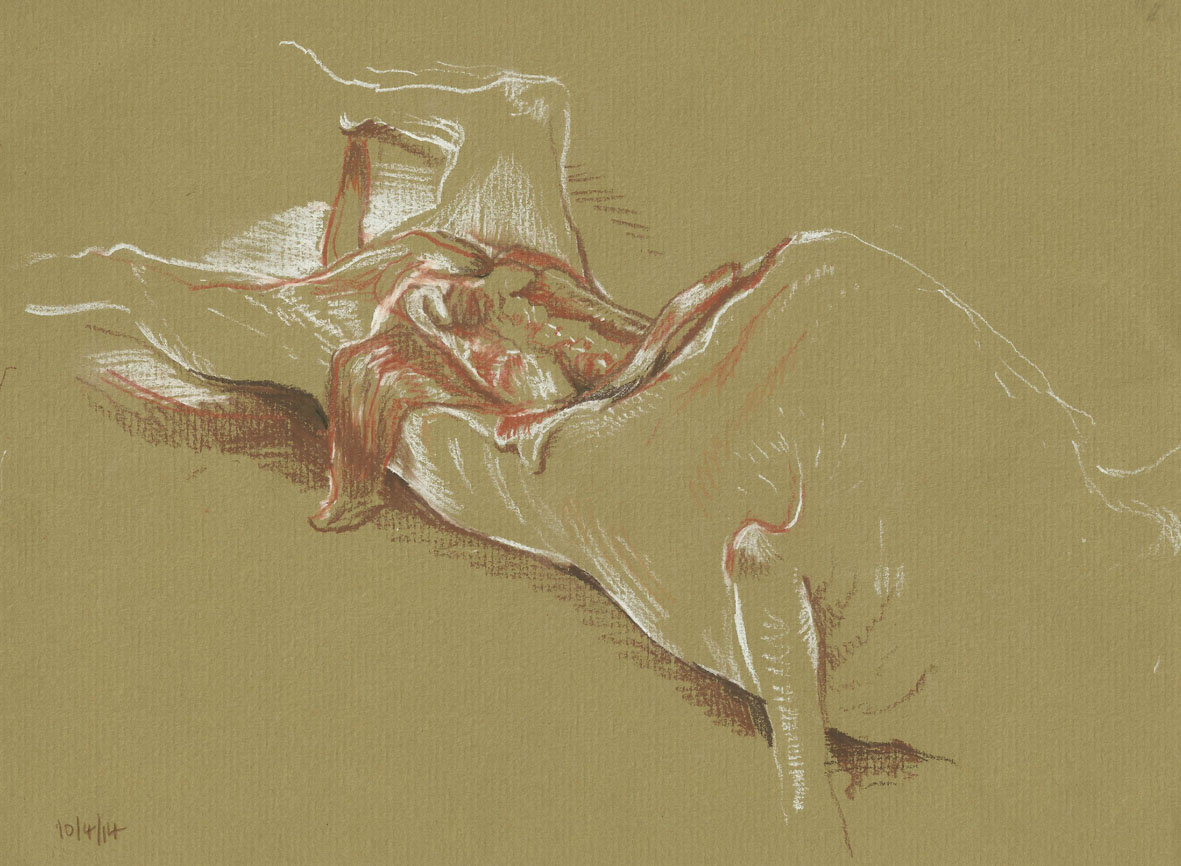
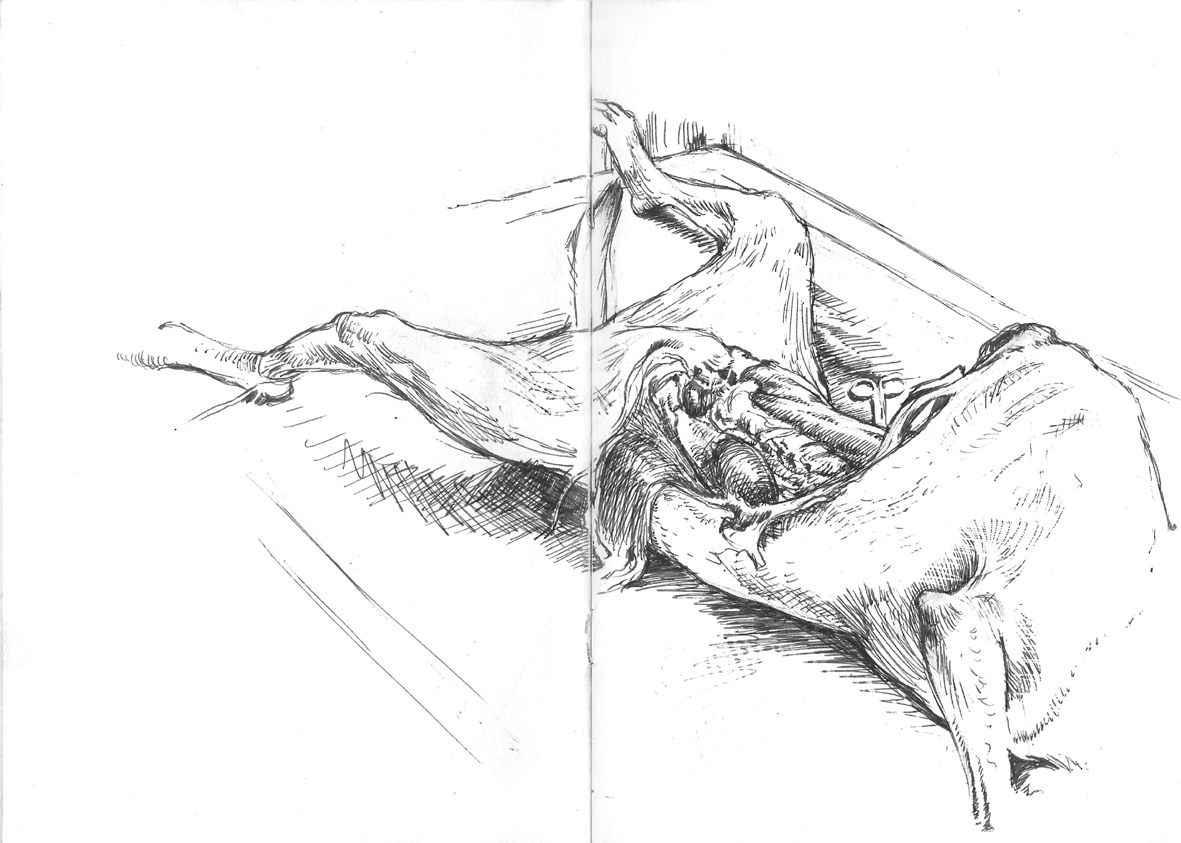
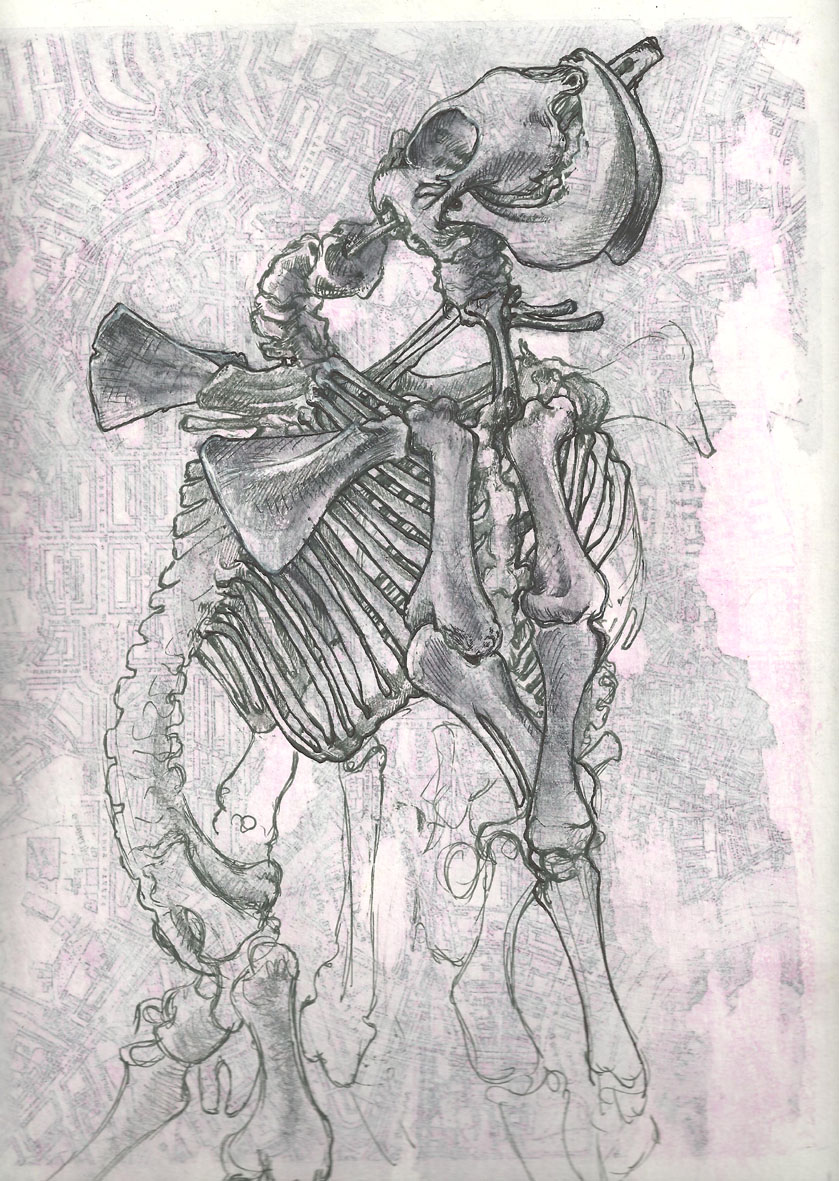
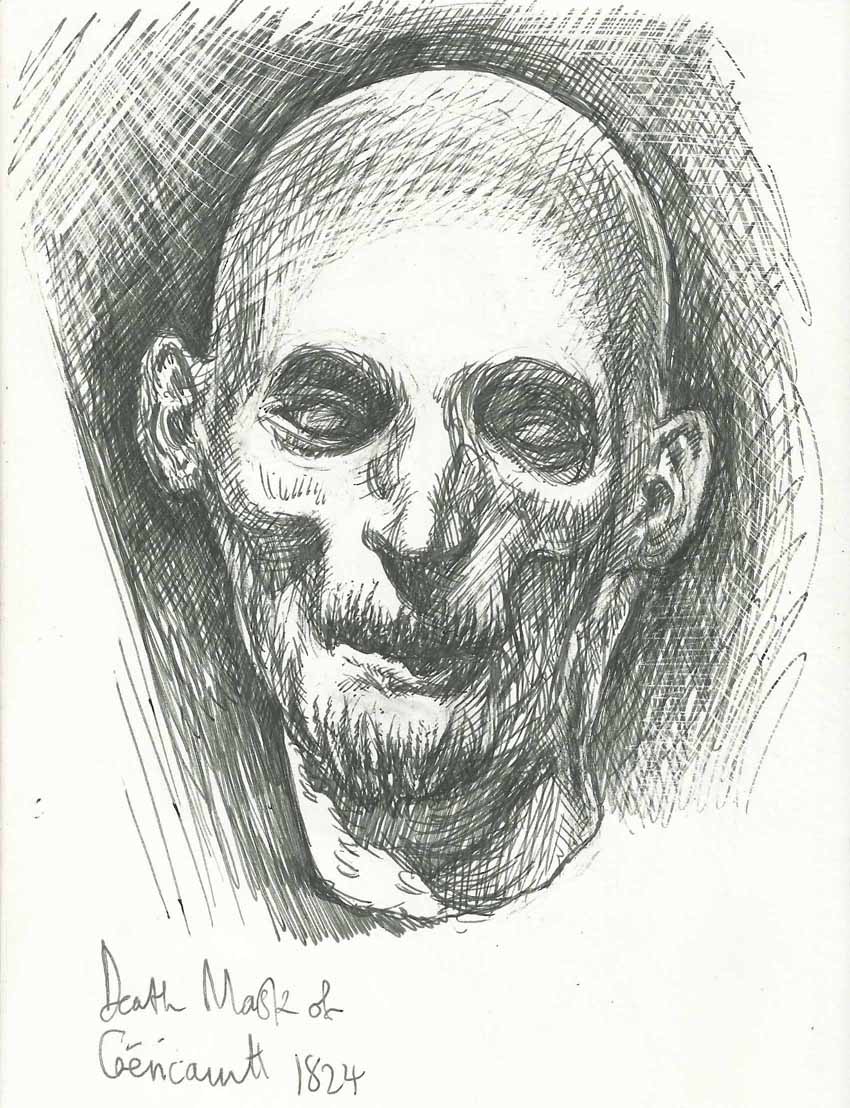
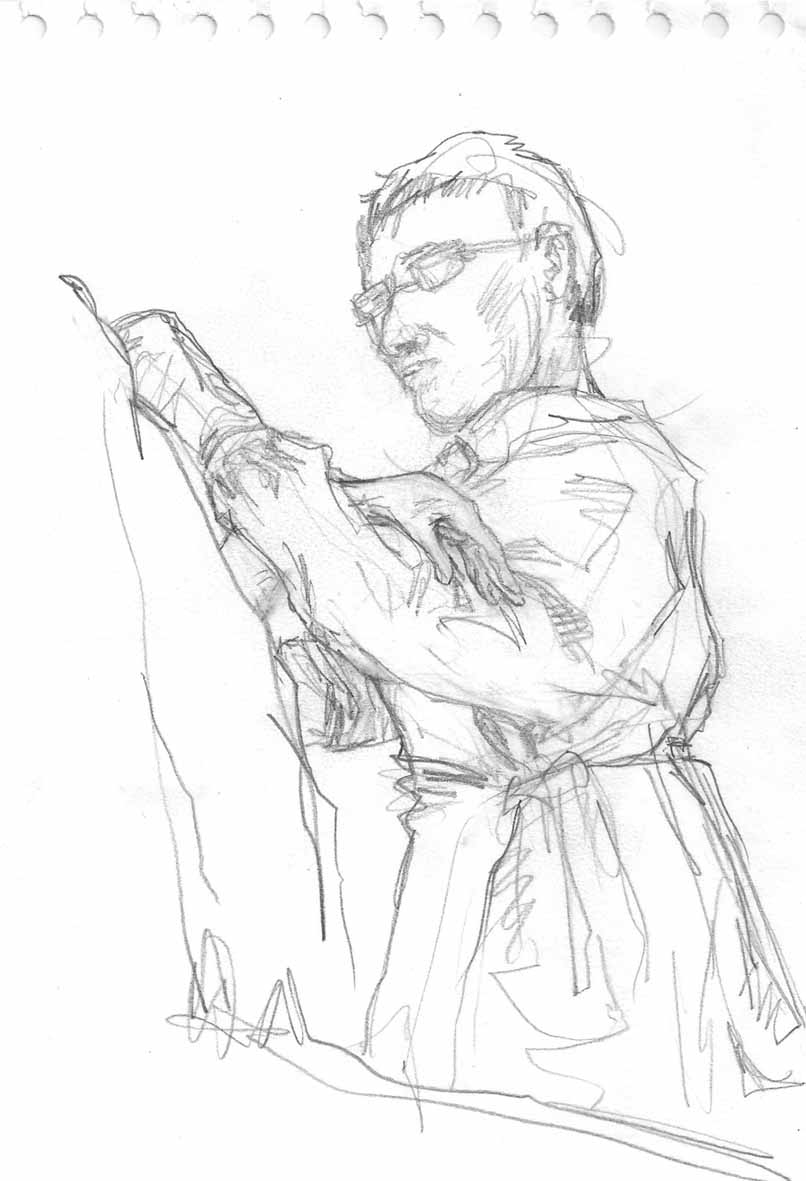
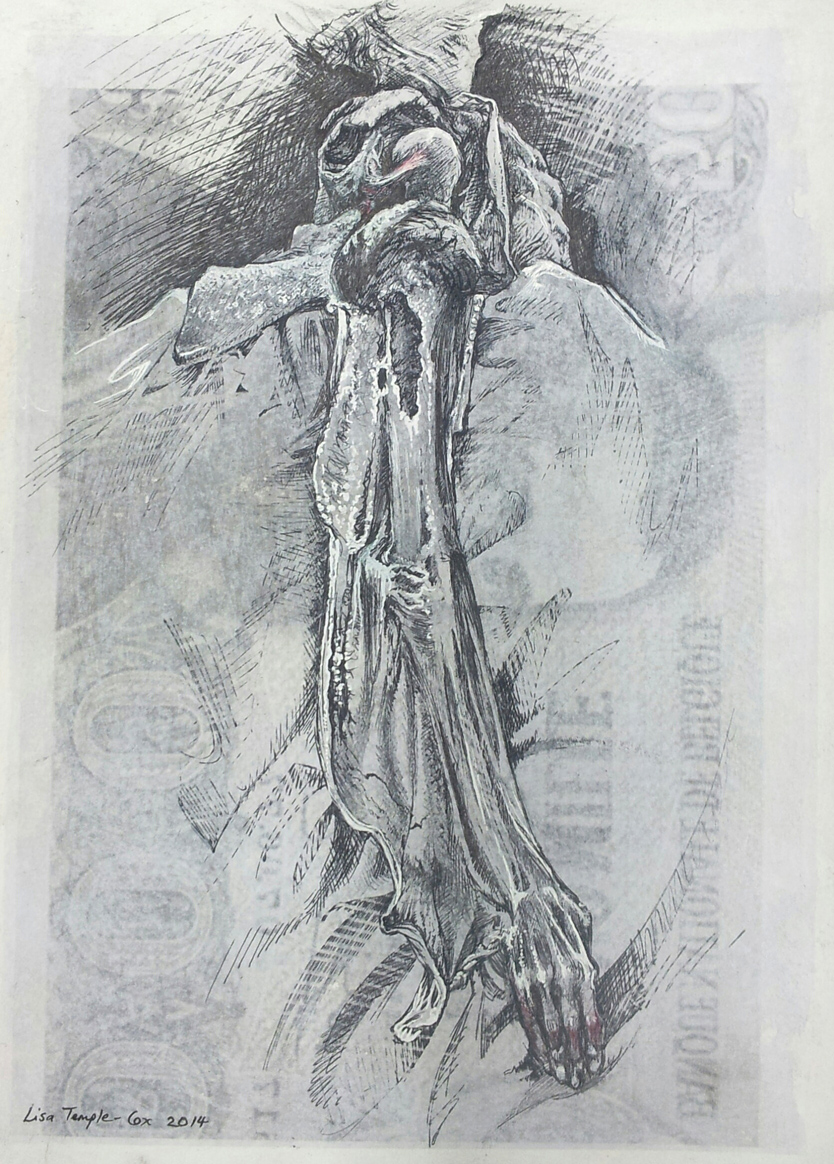
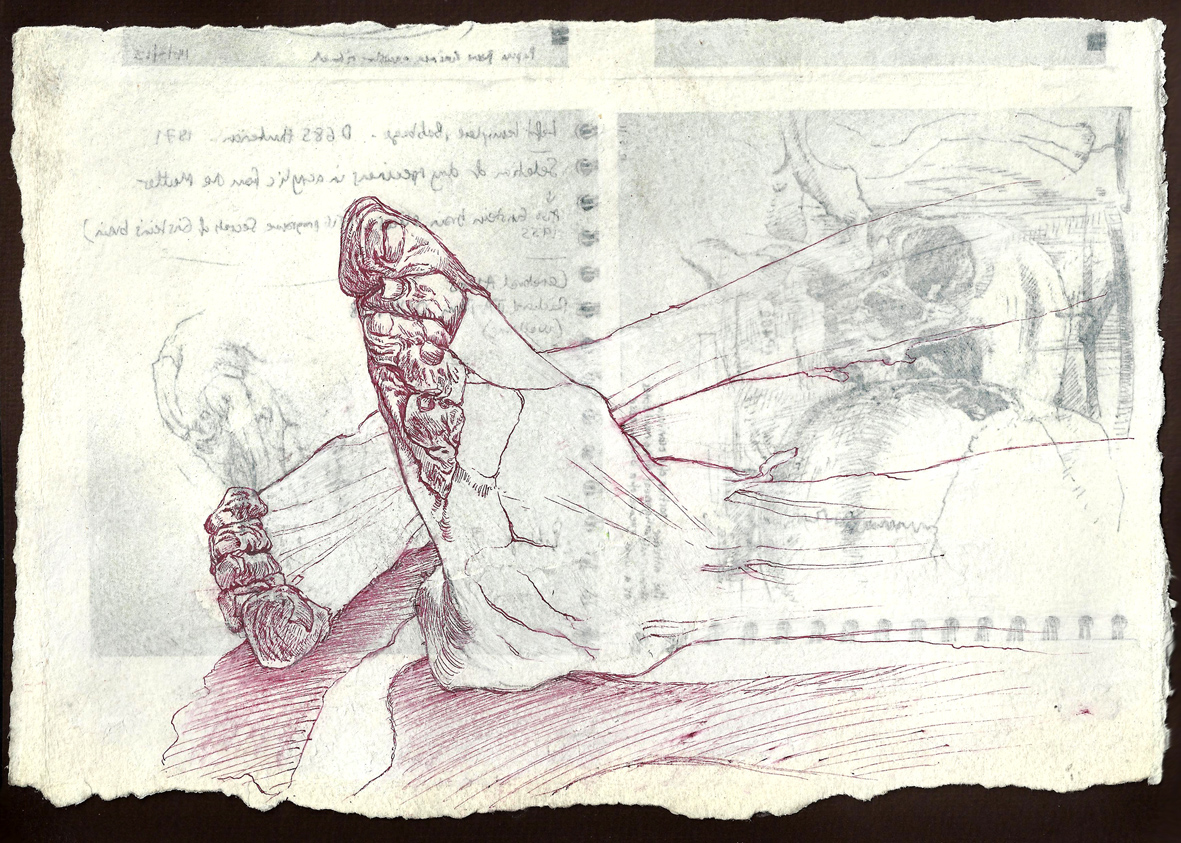
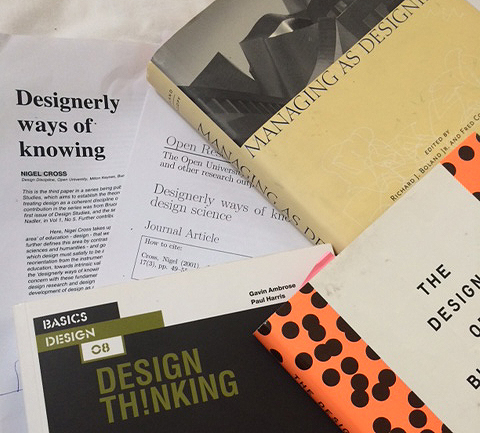
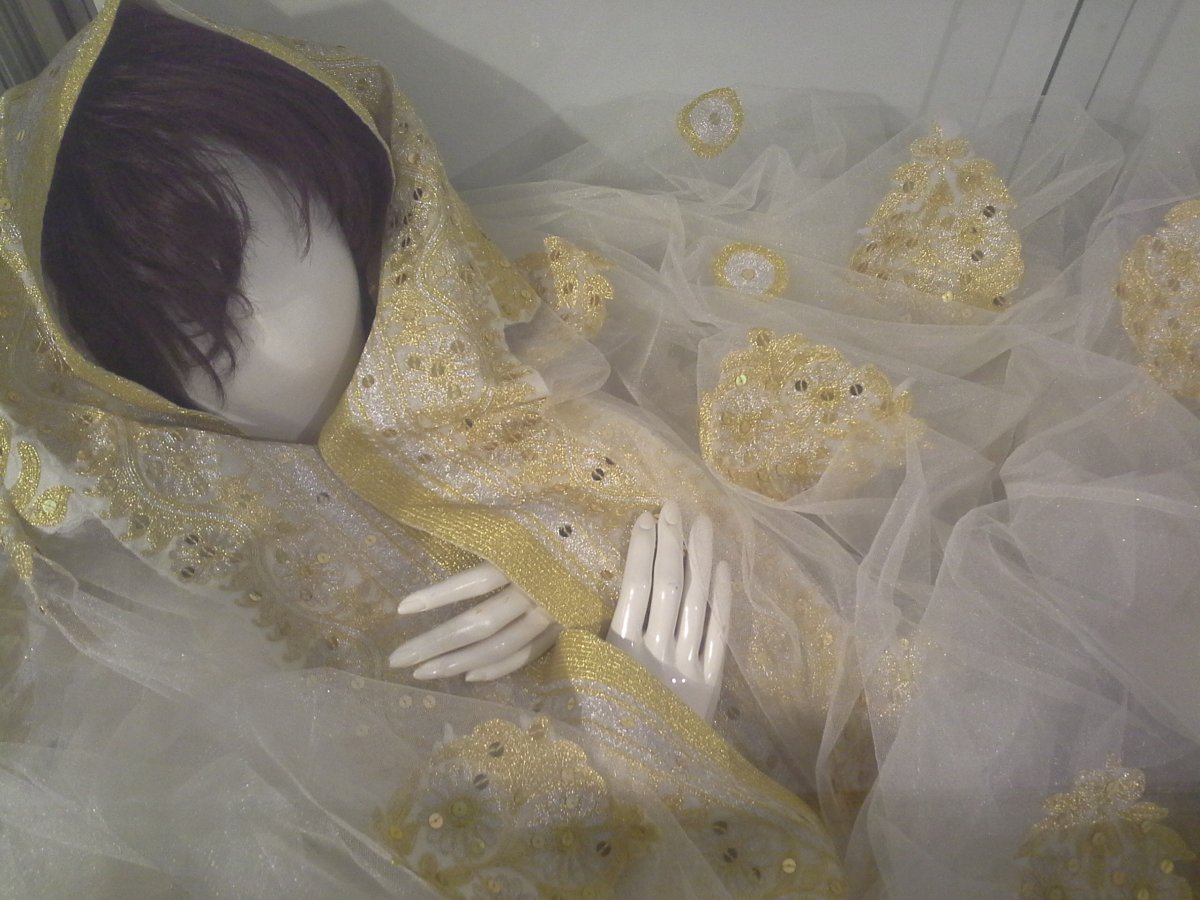
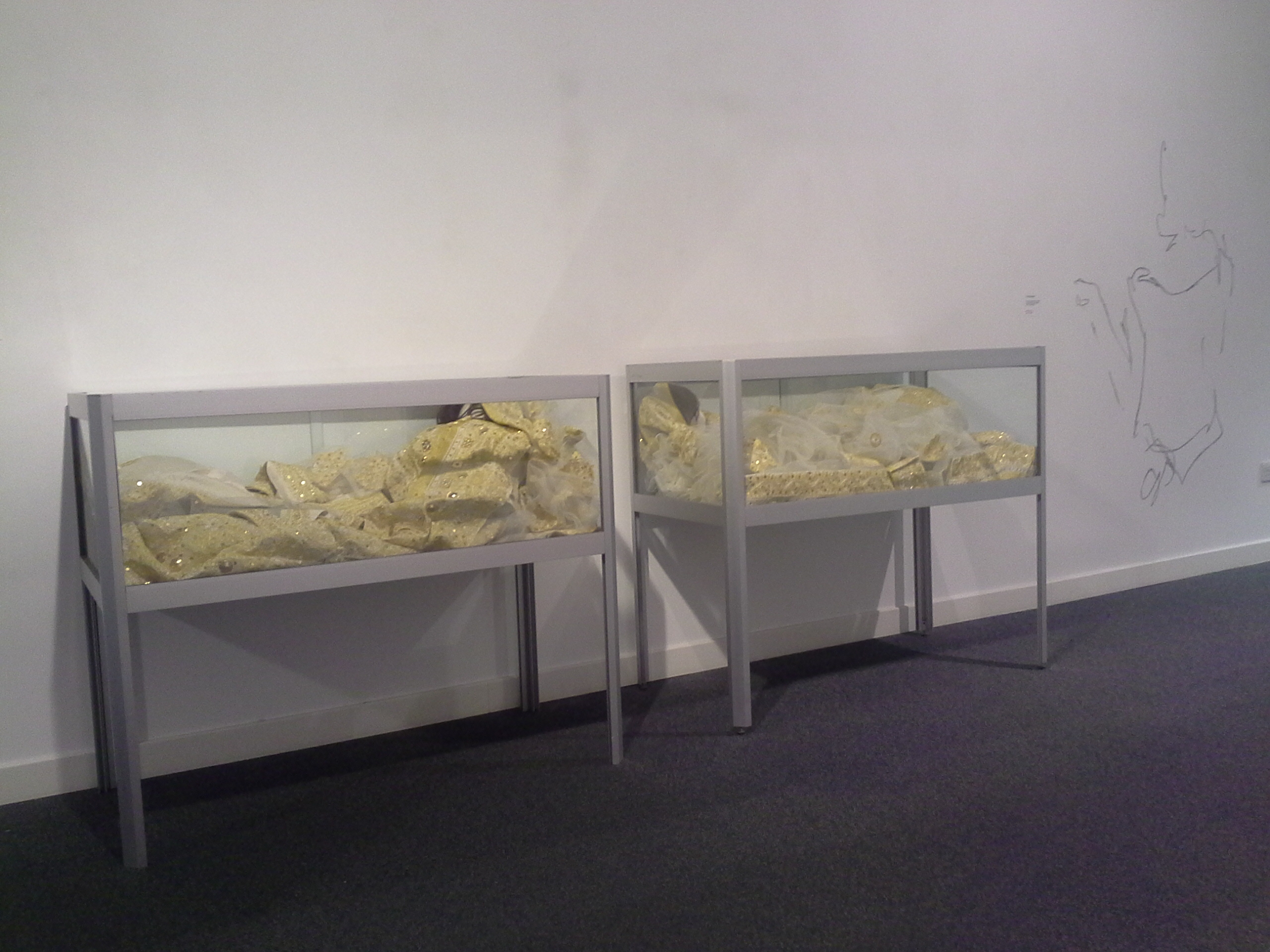
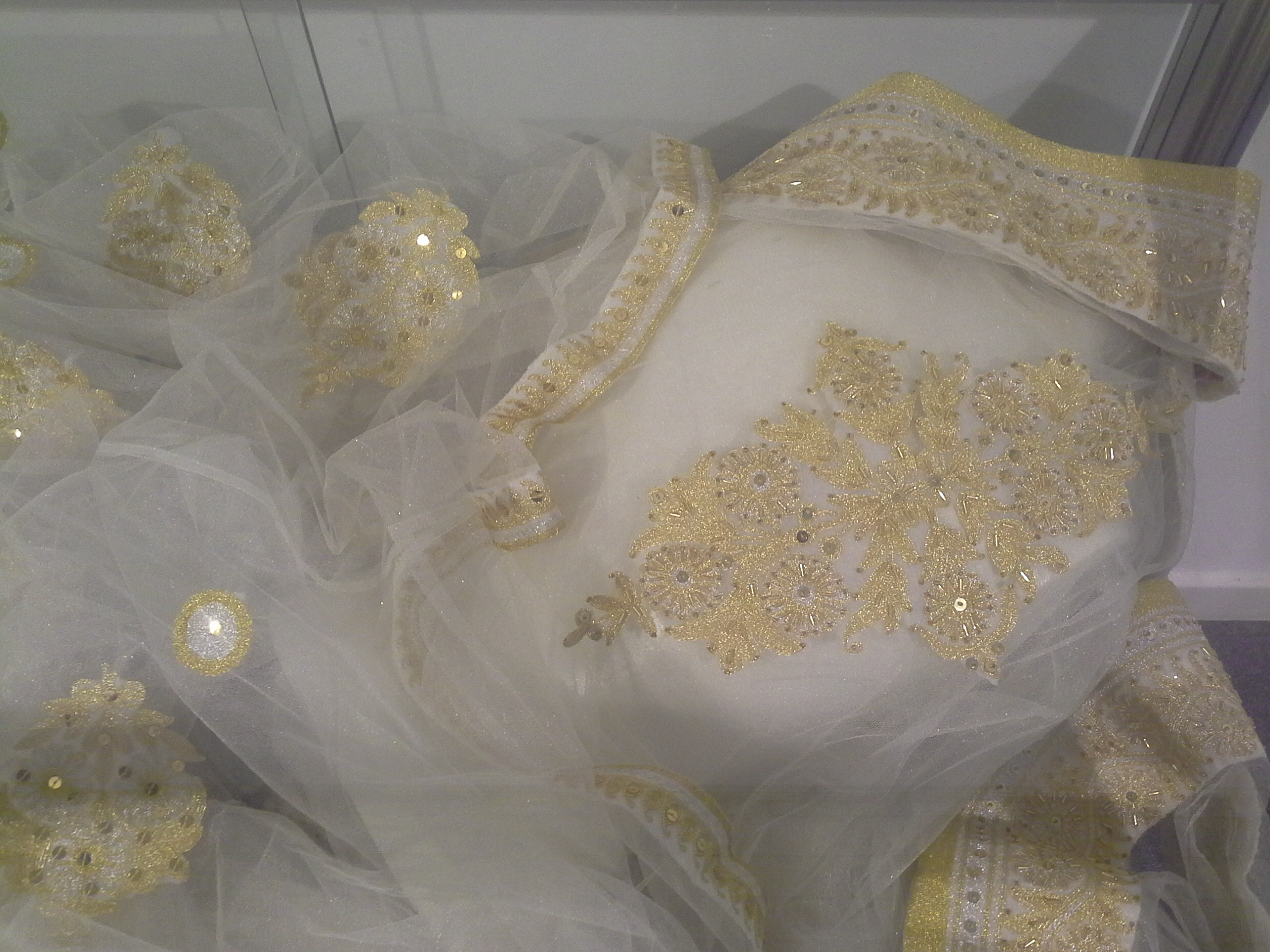
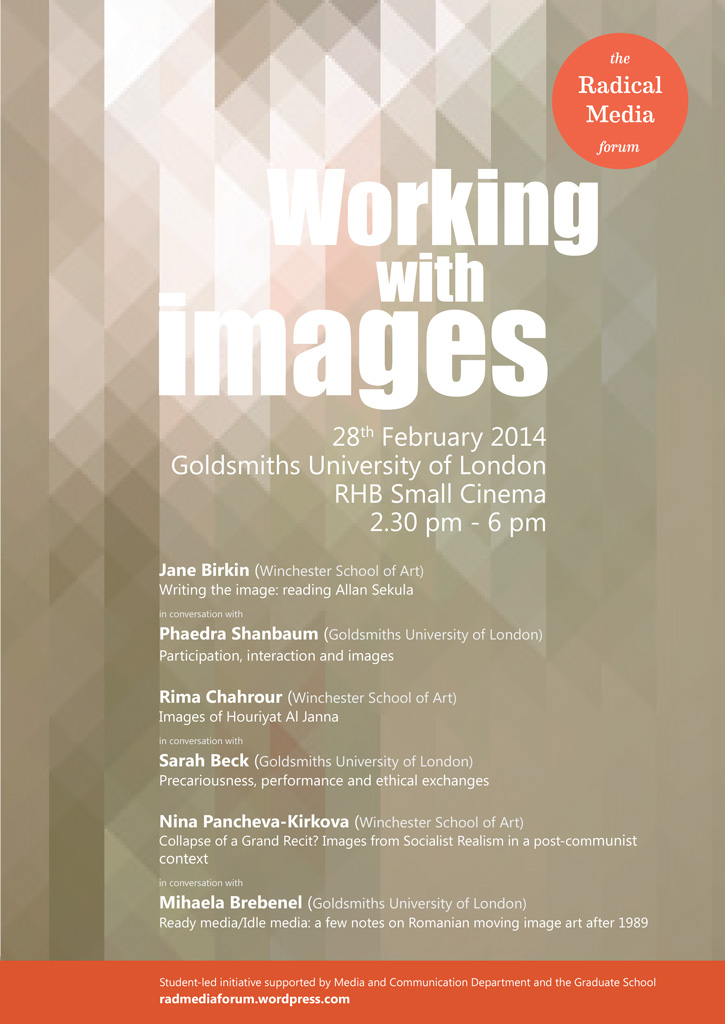
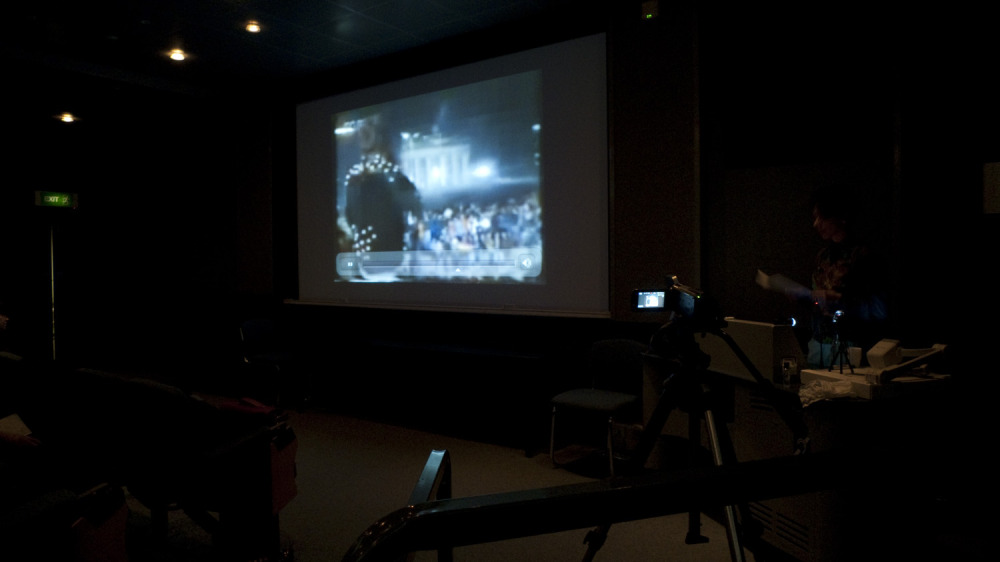
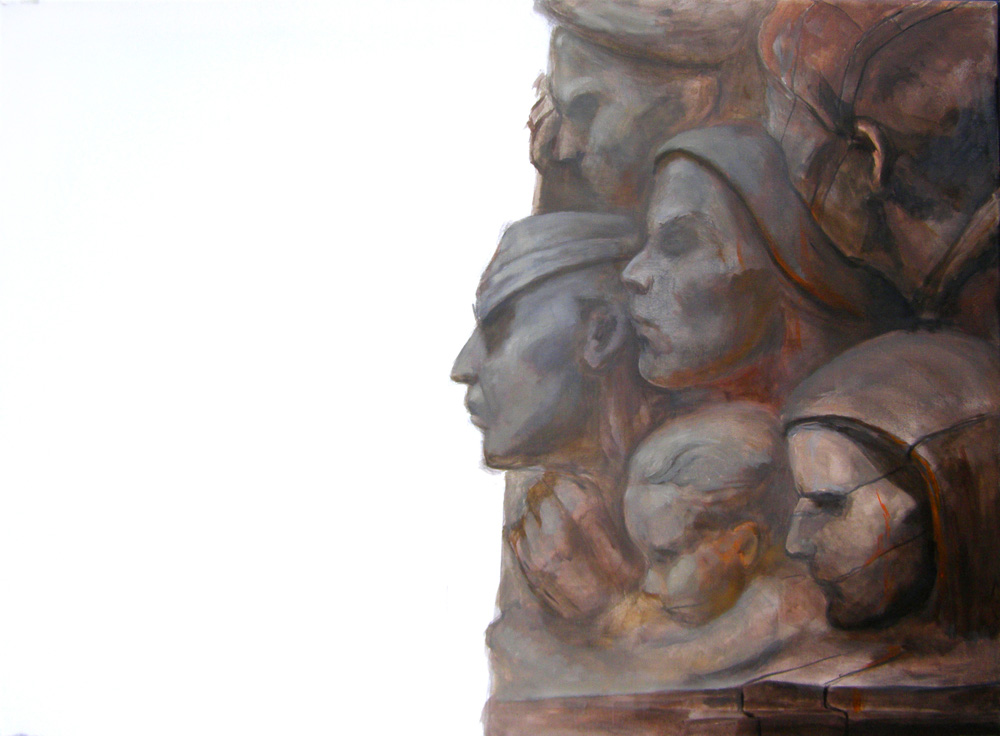
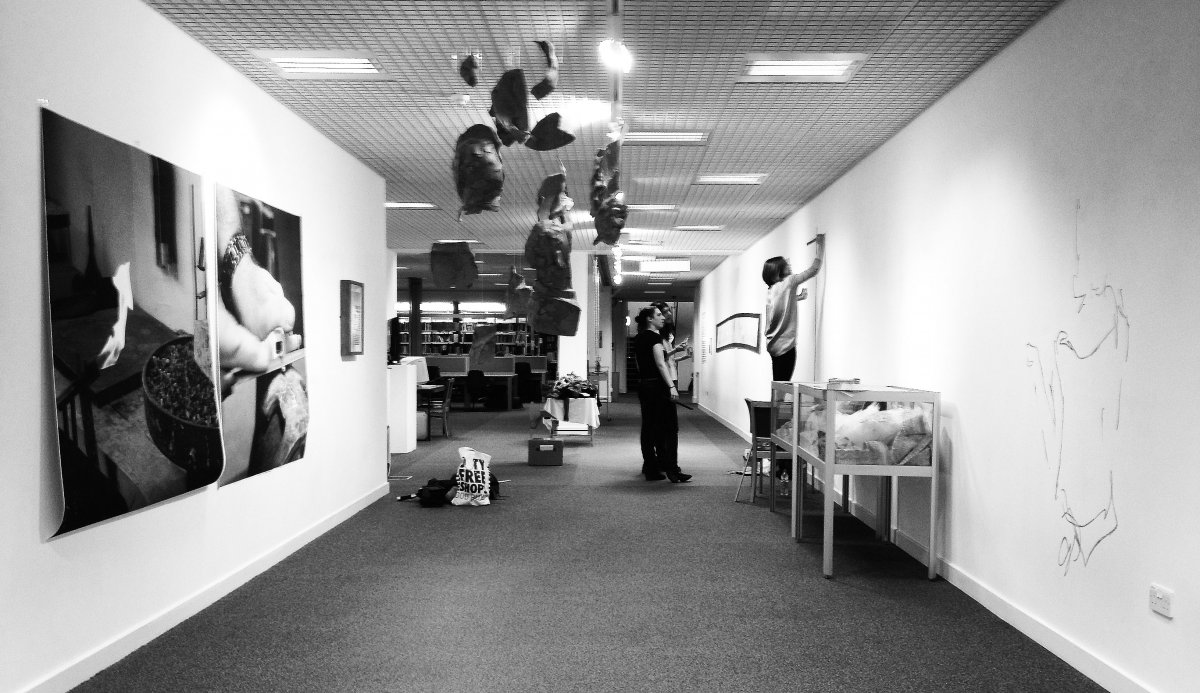
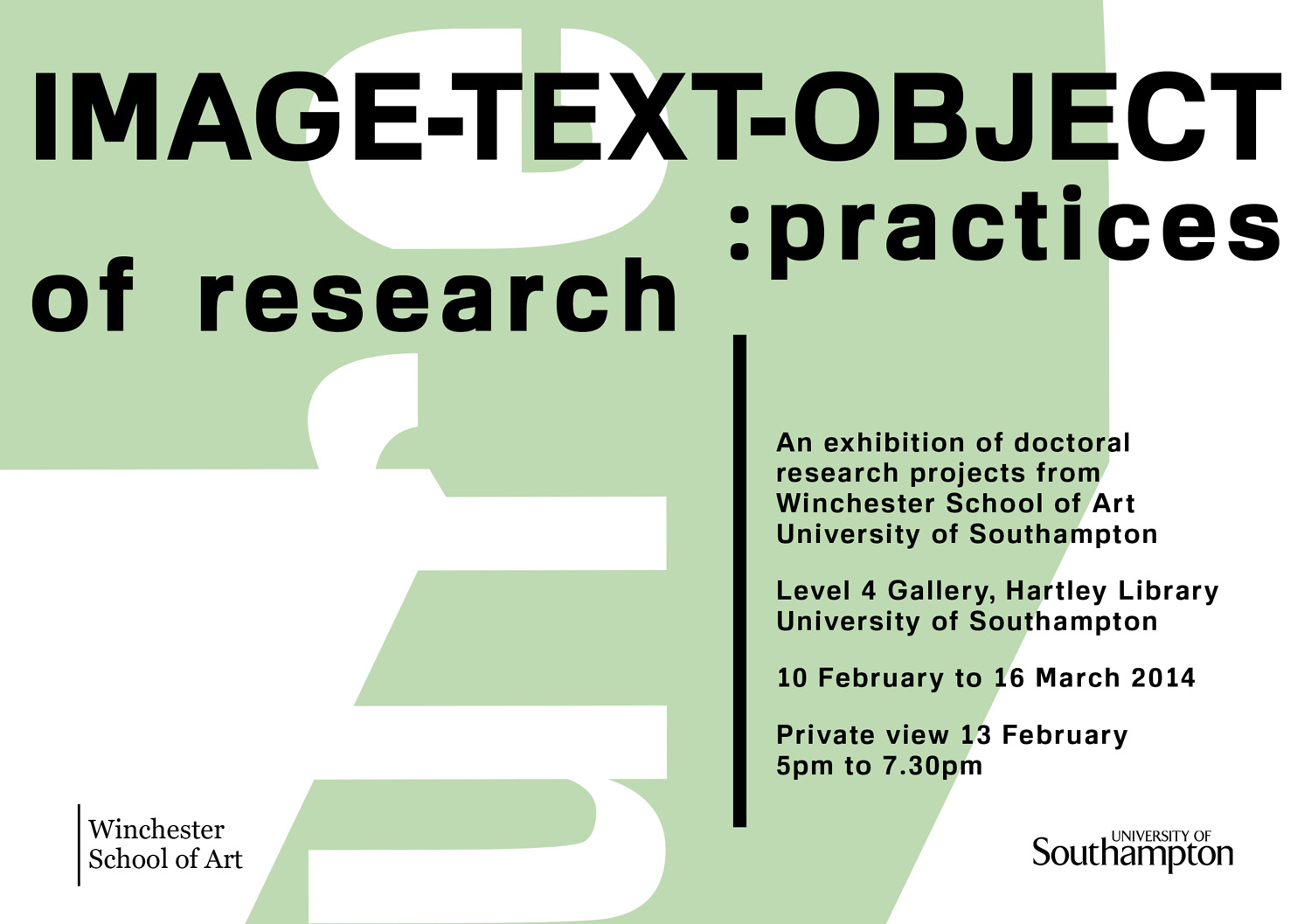
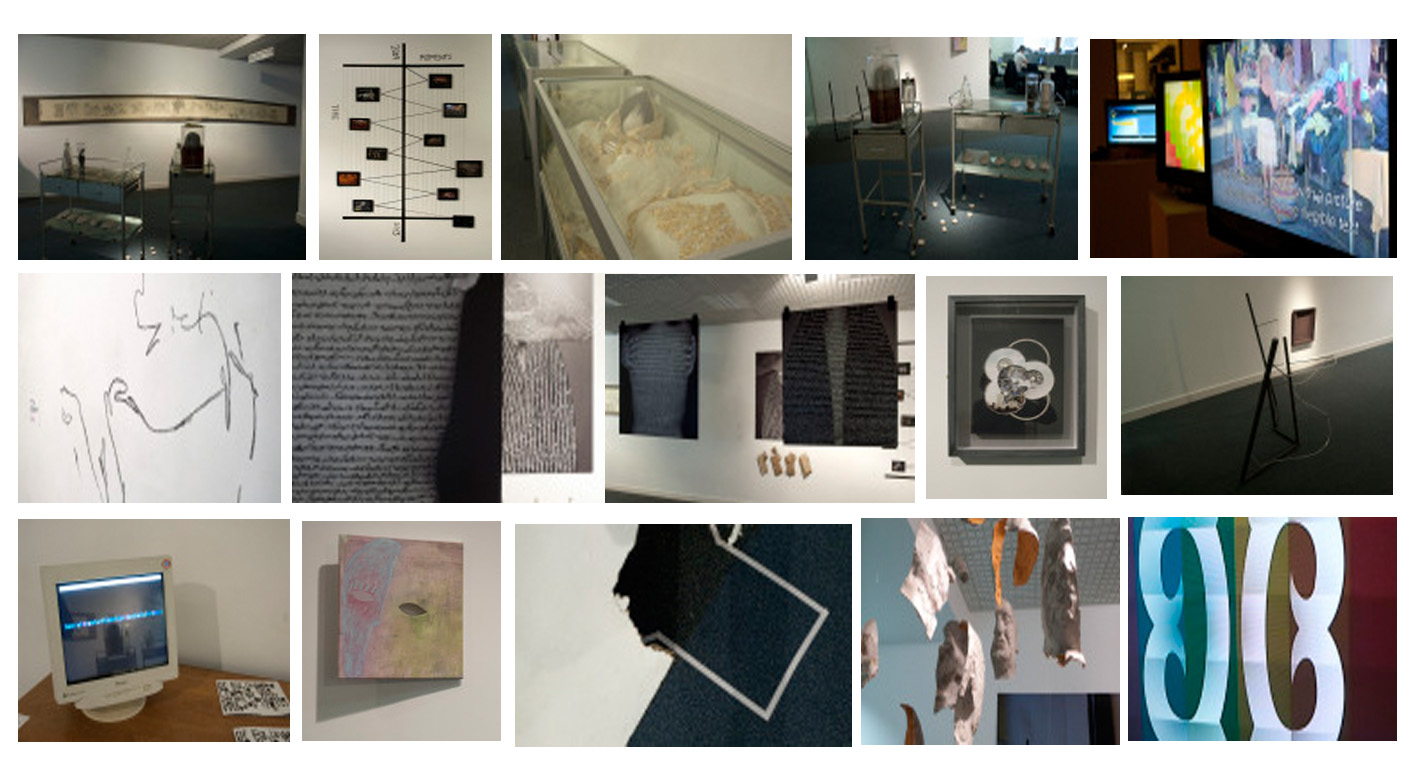 Image-Text-Object: Practices of Research