Absurdity, Absurdity, and Absurdity

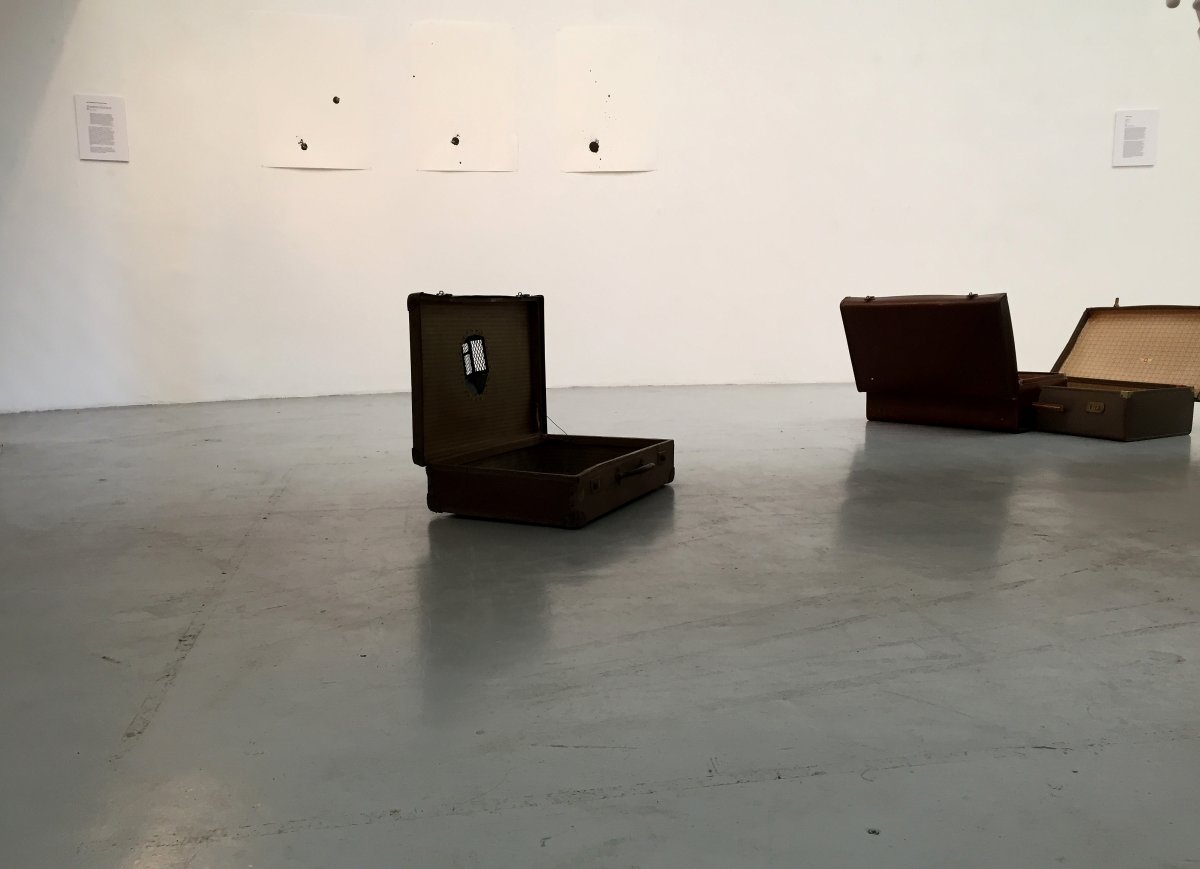
Dave Ball, currently pursuing a practice-based PhD at Winchester School of Art, presented ‘Absurdity, Absurdity, and Absurdity‘ as part of Conversas series at Schillerpalais, Berlin, 29 Nov 2017. The following are his reflections on the event.

Conversas
 is a regular series of thematically diverse talks held with the aim of creating discussion and dialogue, where audience members are encouraged to interrupt and ask questions, and presenters are warned against preparing “too tightly”. I decided, therefore, not to give a conventionally coherent presentation of my work or my PhD research, but instead treat the event as a public testing-ground for some of the more speculative elements emerging out of my research into absurdity.

The plan was to present a series of examples of what I’d identified as eight variants of absurdity observable in works of contemporary art. Since those categorisations were, to a degree, based on my own intuitive assertions about what would or wouldn’t constitute “absurdity”, I was very keen to test them out publicly.

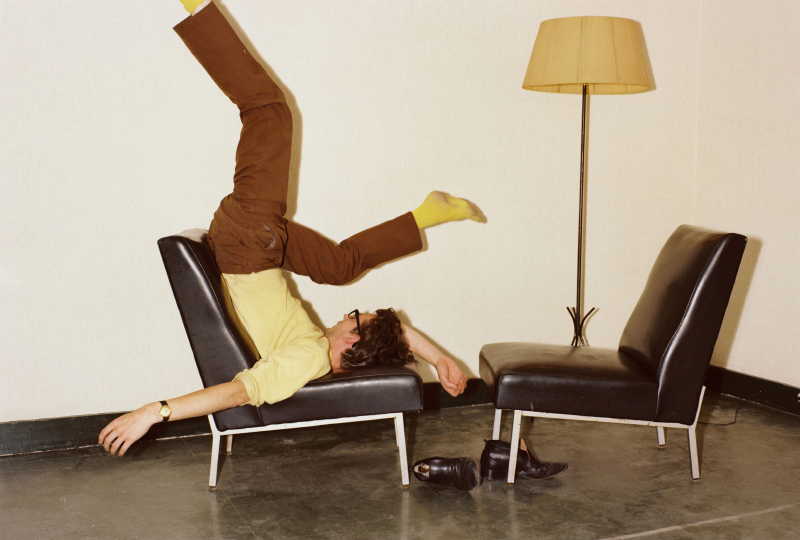
The talk began with a short screening of one of my own video works, which was greeted appreciatively, followed by a brief introduction to my research. As soon as the presentation turned to the work of other artists, however, the atmosphere in the room became unexpectedly heated. In fact, the very first slide shown (a photo by Thomas Ruff of a man inelegantly attempting a handstand on a leather chair, legs flailing in the air) received an immediate rebuttal that “Why shouldn’t we do handstands on chairs? Why is that absurd? That’s so conservative!”


In fact, almost every slide I showed initiated some tirade or other on what various audience members seemed to consider an affront to their intelligence, their outlook on life, or at least their conception of art. My gentle conceptual enquiry into whether or not the works could be considered absurd was frequently met with an impassioned and resounding “no!” Whist some of these protestations could easily be dealt with through reasoned argumentation or clarification of concepts, others unearthed genuinely fertile grounds for further investigation. But what took me completely by surprise was the level of passion, conviction, and emotion with which the audience responded to the topic. Absurdity, as was repeatedly made clear, really matters – and not just to this particular PhD researcher


Pictorial Address and Seriality in Art

Jason Kass recenlty completed his PhD at Winchester School of Art. The title of his thesis is ‘Cognitive Aspects of Pictorial Address and Seriality in Art: A Practice-led Investigation’. In this post he offers an overview of the nature and scope of his research.

My doctoral research explored the perceptual and cognitive processes that underlie spectatorship of pictorial artworks and incorporated insights into the production of new works of art. The fundamental premise of my research was that artworks exist as part of the visual world and are subject to the same visual processes as ordinary scenes and objects. Applying existing empirical findings from cognitive psychology to spectatorship of works of art allows for a more complete understanding of pictorial address.

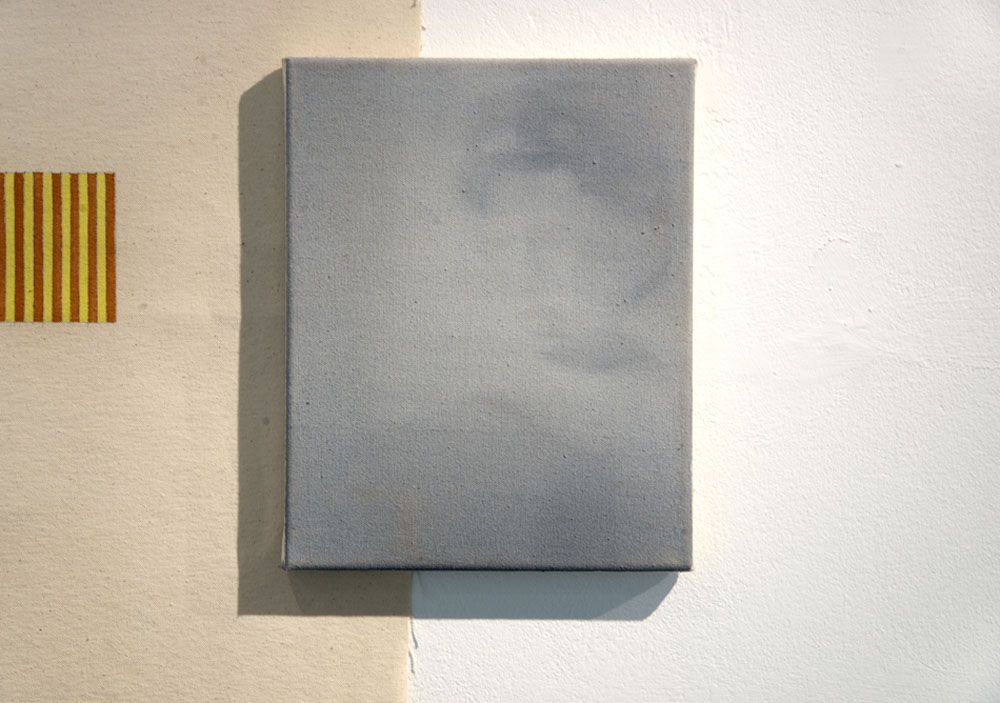
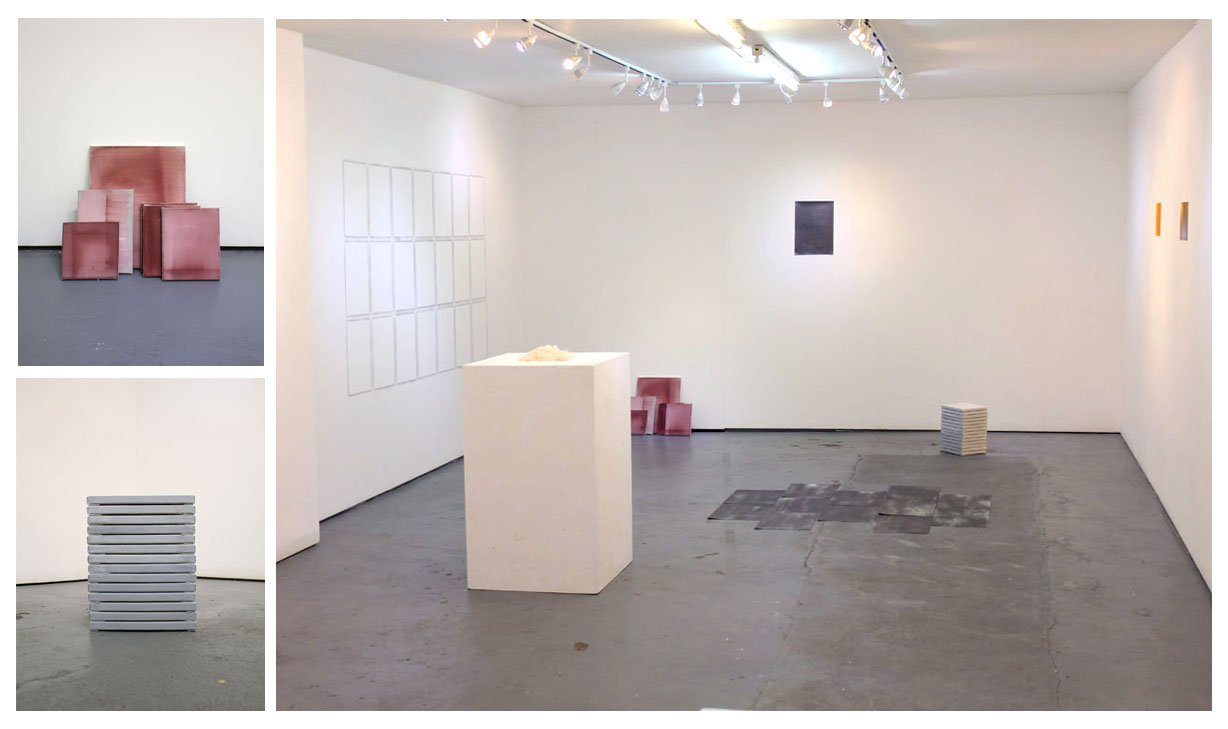
Using theories and methods from psychology to understand the experience of artworks is not in itself novel. The field of empirical aesthetics boasts a wide literature comprising experiments around aesthetic preference and art appreciation. My research differs based on my position as a visual artist rather than a scientist and my emphasis on relating psychological findings to existing art theory and art historical narratives. The incorporation of practice-based research in the form of producing new works of art (Fig. 2) also brings a different perspective to an established yet often divisive discipline.

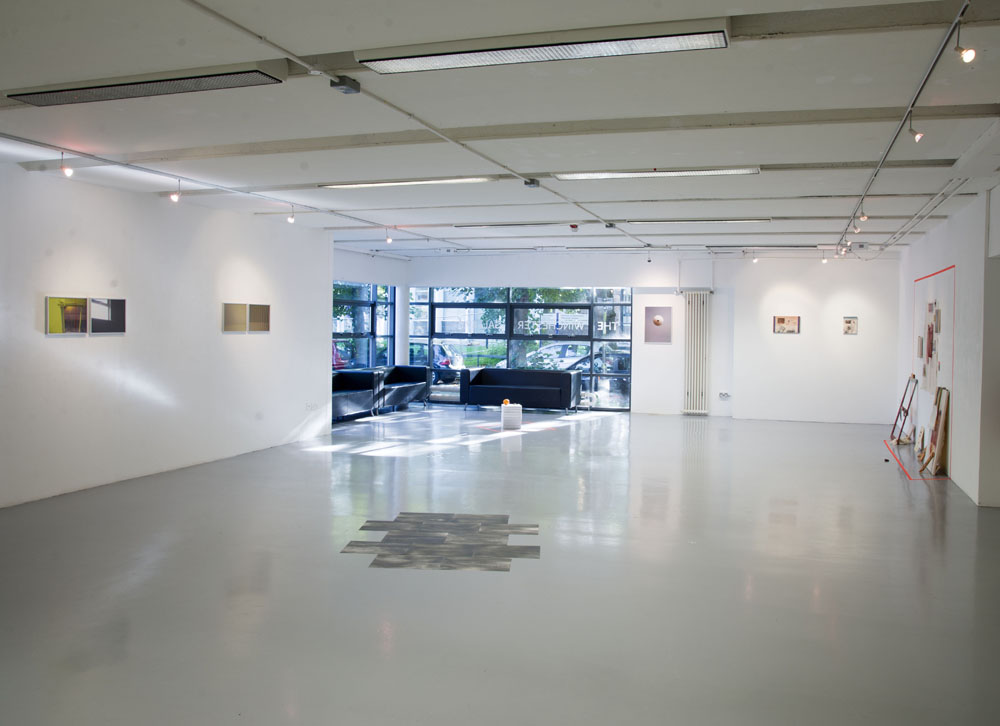
Figure 1. Installation shot from PhD exhibition.

Within the thesis, I focused on seriality as an aesthetic strategy and the mode of address offered by serial works of art. Serial artworks have previously been theorised, in particular by Coplans (1968), who established a distinction between serial artworks that comprise multiple discrete but related instances and pictures produced along the masterpiece model. Fer (2004) has said about seriality, “It brings with it a whole set of assumptions about the nature of aesthetic experience as direct and spontaneous” (p.4).

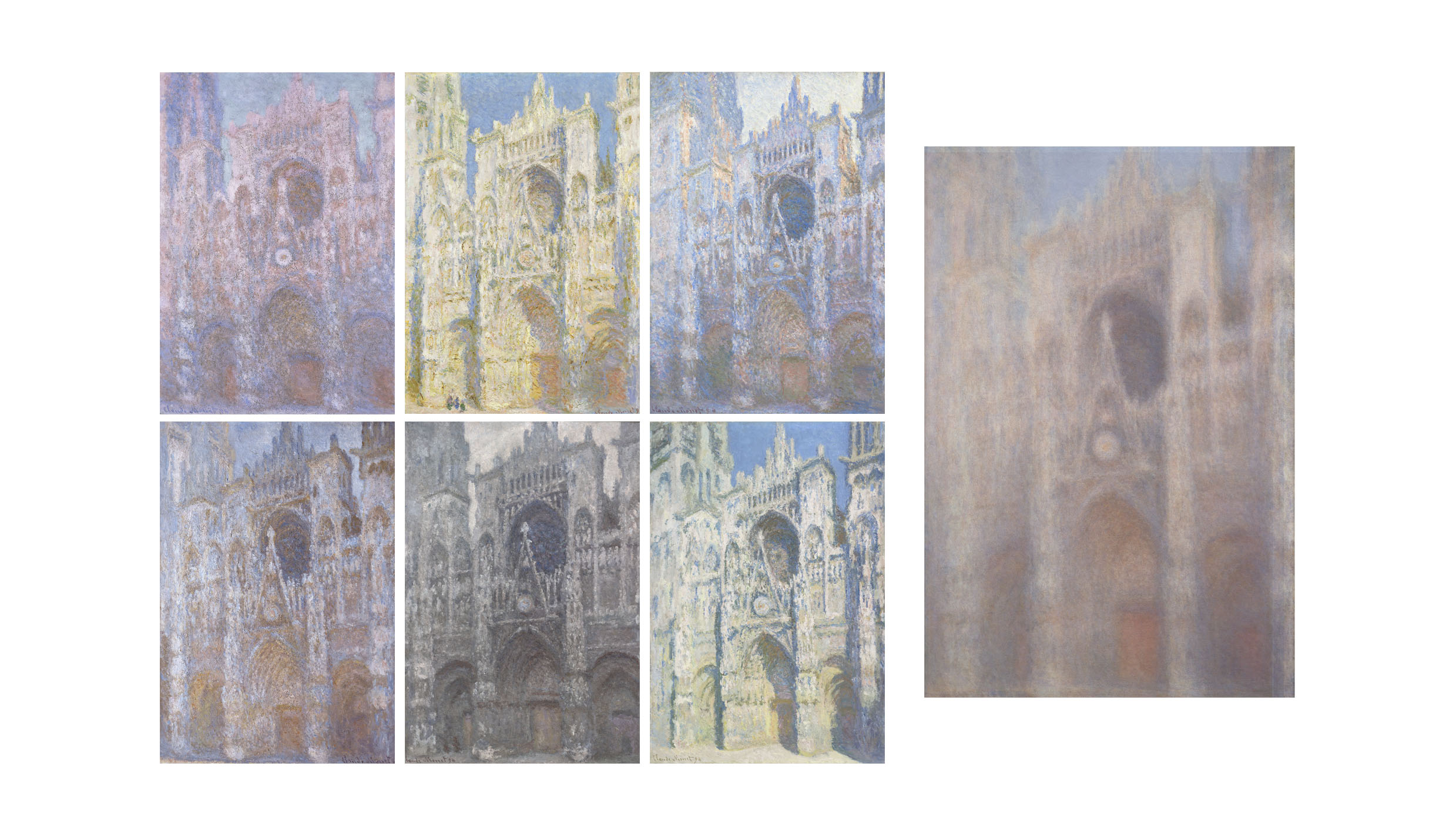
My research sought to reveal the direct impact of seriality on the experience of the viewer by way of cognitive and perceptual processes. In the first instance I considered Monet’s painted series of the Rouen Cathedral. A proto-serial artwork, Monet understood the importance of exhibiting the nearly thirty paintings depicting different light and weather conditions being exhibited together.

I consulted theories of concept formation and face recognition that speak to the ability to form a stable mental concept from a set of varied instances: a feature essential to navigating a complex visual world. Findings within the study of face recognition indicate that the process may involve retaining invariant information across instances while eliminating extraneous superficial details; a process akin to averaging (Young & Bruce, 2011).

Figure 2. A subset of nearly thirty paintings by Monet of the façade of the Rouen Cathedral (left) and an averaged composite of a subset of the paintings created in Photoshop (right).

Applying this same premise to Monet’s cathedrals it is possible to infer that the variation in colour and luminosity across the paintings prompts the viewer to form a stable mental concept that lasts long after the in situ viewing (Fig. 2). With regard to art historical narratives, this implies that Monet’s series are as much conceptual as they are perceptual in nature, which runs counter to Duchamp’s well-known exclamation of Impressionist artworks as purely retinal in nature (Krauss, 1990; de Duve, 1996). I explored these findings through photography, drawing and found images (Fig. 3).

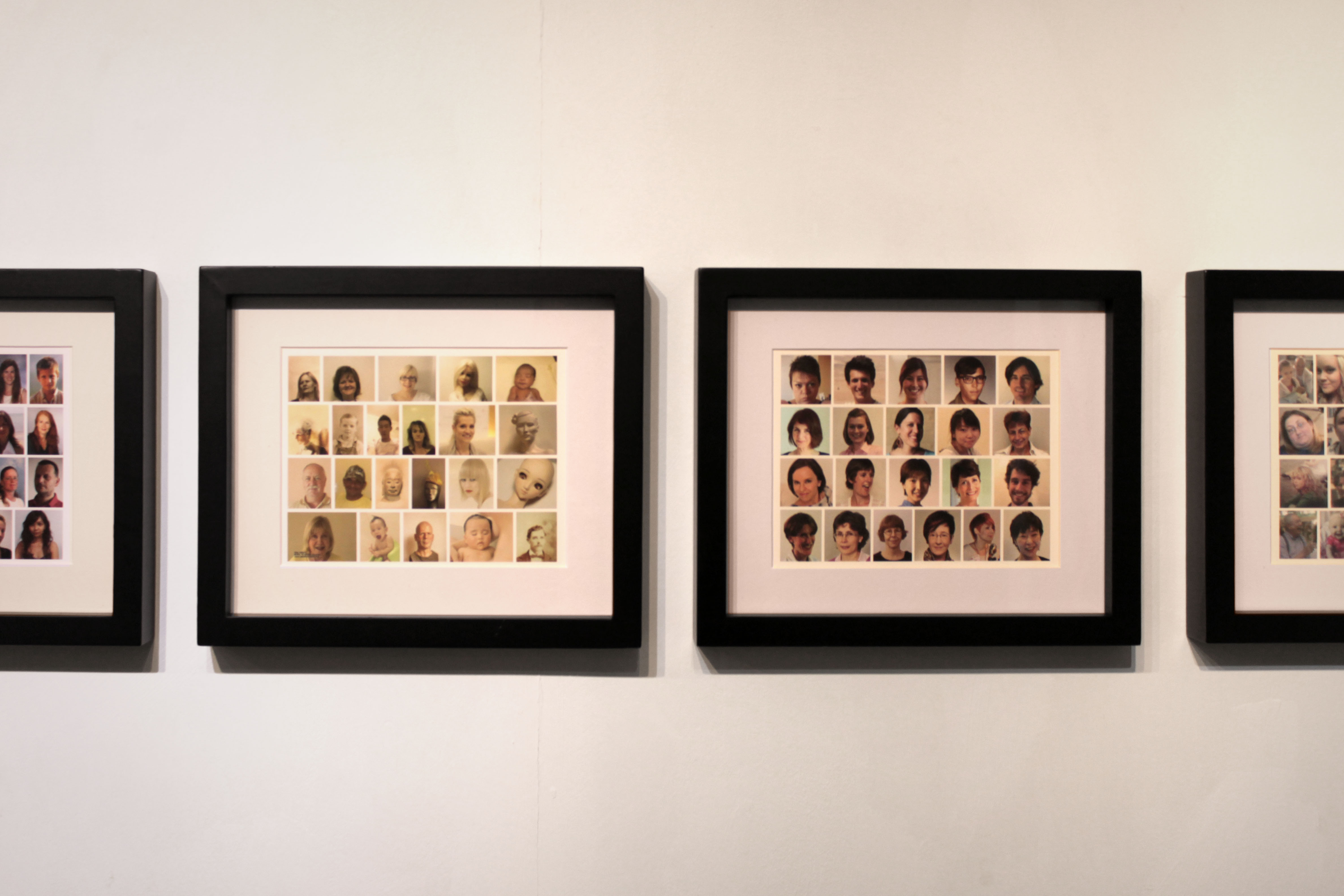
Figure 3. Series arrived at by dropping a portrait of my mother into Google’s ‘search by image’ function. The work responded to ideas of concept formation and Barthes’ writings in Camera Lucida (1981).

The second case study examined Warhol’s use of serial repetition in works from his Death and Disaster series that repeat a gruesome image multiple times across a single canvas. Warhol said, “when you see a gruesome picture over and over again it doesn’t really have any effect” (quoted in Goldsmith, 2004, p.19). He presumed that repeated exposure to an distressing image results in a ‘deactivating’ of the negative affect.

Employing existing psychological findings regarding repeated exposure (Zajonc, 1968) it is possible to infer that viewing artworks from the series ultimately leads to an increase in negative affect for the viewer, despite an initial increase in positive affect as a result of repetition. This is due to increased access to the negative semantic content, also a result of repeated exposure (Reber et al., 2004). Related ideas were explored through practice-based research responding to Hunter’s (1973) ”aesthetics of boredom” (Fig. 4).

Figure 4. Installation shot of interim PhD exhibition.

Through future research I hope to build on my dissertation as a model for the exchange of ideas between experimental psychology, art theory and art practice. Although within the dissertation I did not conduct original empirical research I believe there is scope to expand on the theoretical frameworks that I developed through experimentation. I am also keen to further disseminate my findings through practice-based research resulting in creative outcomes that can be publically exhibited.


List of References

Barthes, R. (1981). Camera lucida: Reflections on photography. New York: Farrar, Straus, and Giroux.

Coplans, J. (1968). Serial imagery. Pasadena: Pasadena Art Museum.

De Duve, T. (1996). Resonances of Duchamps Visit to Munich. In R. Kuenzli & F.M. Naumann, Marcel Duchamp: Artist of the Century. Cambridge and London: The MIT Press.

Fer, B. (2004). The infinite line: Re-making art after Modernism. Hartford: Yale University Press.

Goldsmith, K. (2004). I’ll be your mirror: The selected Andy Warhol interviews 1962-1987. New York: Caroll & Graf Publishers.

Hunter, S. (1973). The Aesthetics of Boredom. In S. Hunter and J. Jacobus eds. American Art of the 20th Century: Painting, Sculpture, Architecture. New York: Simon and Schuster.

Krauss, R.E. (1990). The story of the eye. New Literary History, 21(2), 283-298.

Reber, R., Schwarz, N. & Winkielman, P. (2004) Processing fluency and aesthetic pleasure: is beauty in the perceiver’s processing experience? Personality and Social Psychology Review, 8(4), 364–82.

Sagner-Duchting, K. (2002). Monet and Modernism. Munich and London: Prestel.

Young, A. W., & Bruce, V. (2011). Understanding person perception. British Journal of Psychology, 102, 959–74.

Zajonc, R. B. (1968). Attitudinal effects of mere exposure. Journal of Personality and Social Psychology, 9(2), 1–27.


Cartographic Operations – Exhibition

PhD Researcher Abelardo Gil-Fournier has contributed work to an exhibition, Cartographic Operations, at the University’s L4 Gallery space. His work appears alongside that of WSA Staff, Ian Dawson, Sunil Manghani and Jane Birkin. 

Cartographic Operations
L4 Gallery, February – March 2017

In Bernhard Siegert’s ‘The map is the territory’, he refers to the idea of ‘cartographic operations’. The suggestion is that our way of seeing the world is not simply represented in maps, but that map-making is itself a play of competing signs and discourses producing our subjecthood. These are the coordinates we come to live by, which in turn influence the marks and signs at our disposal when we seek to make and share representations of the world. This exhibition brings together three alternative cartographic operations with the work of Jane Birkin, Abelardo Gil-Fournier and Sunil Manghani and Ian Dawson (see ‘Exhibited Works’ below). The exhibition was devised to complement Beyond Cartography: Safeguarding Historic Maps and Plans, an exhibition in the Special Collections Gallery that showcases maps from the University of Southampton Library’s Special Collections, illustrating the challenges that these objects bring to conservators before conservation or long-term preservation takes place.

Cartographic Operations runs from 20 February to 20 March and sits alongside the exhibition in the Special Collections Gallery, Beyond Cartography: Safeguarding Historic Maps and Plans. Private View:  Tuesday 28 February, 5pm to 8pm. [Sign up via Facebook]


Exhibited Works

Jane Birkin, 1:1 (2017)

Jane Birkin, 1:1 (2017) [detail]
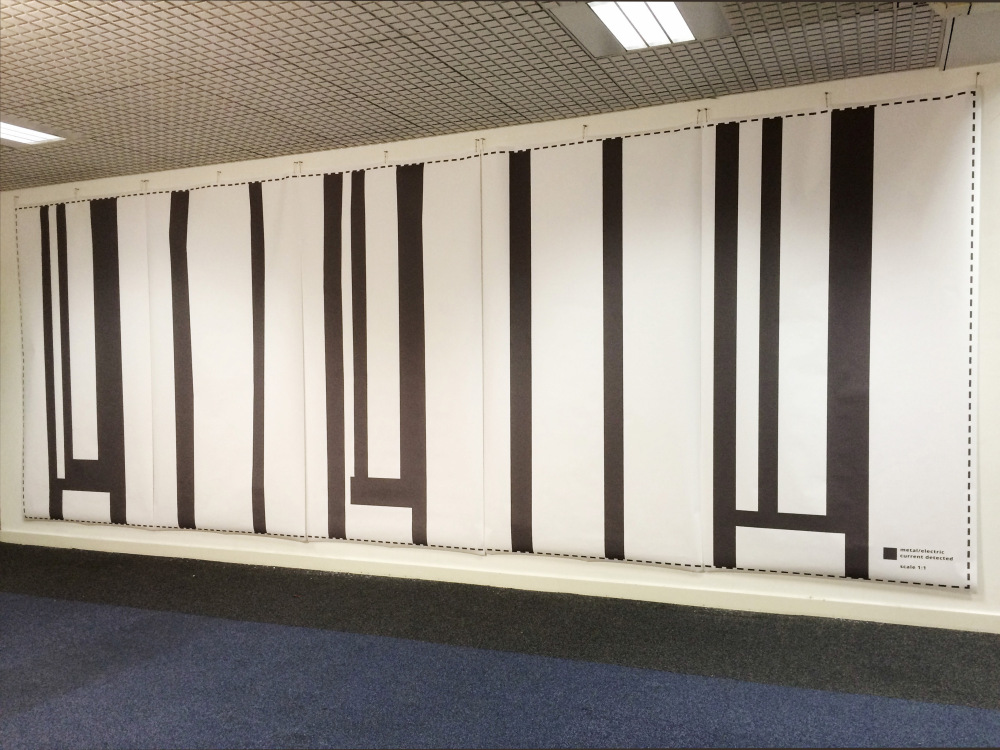
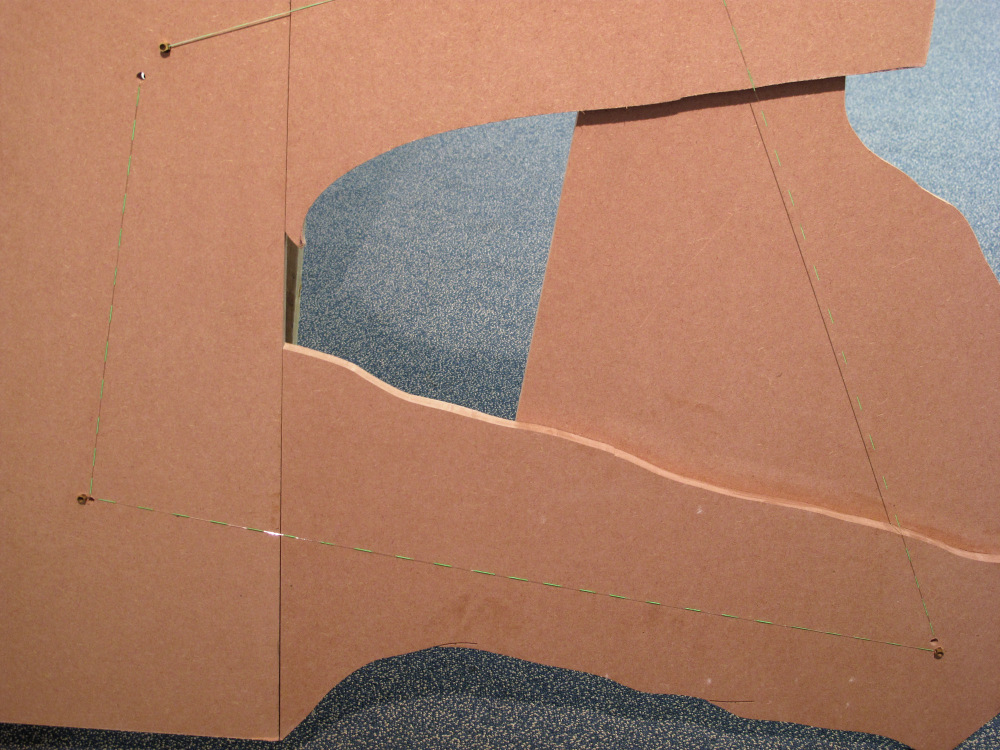
Jane Birkin’s 1:1 is a direct mapping of infrastructure behind the white space of display. It is ­a piece produced by performative procedure: a regulated operation where authorial control is established at the outset and rules are strictly followed. Electric current and metal are plotted using a DIY store metal/voltage detector and the information transferred simply to print.

There are literary precedents for mapping at this scale. In Jorge Luis Borges’s short story On Exactitude in Science cartography became exactingly precise, producing a map that has the same scale as its territory. And, in Lewis Carroll’s Sylvie and Bruno Concluded, a German professor tells how map-makers experimented with the use of ever larger maps, until they finally produced a map of the scale of 1:1. ‘It has never been spread out, yet’, said the professor. ‘The farmers objected: they said it would cover the whole country, and shut out the sunlight!’ In this case, the gallery wall is covered, shut off from light and eyes. Although 1:1 is an impassive engagement with the rule-based activity of cartography, it simultaneously performs an affective act of display.

Abelardo Gil-Fournier, Marching Ants (2017)

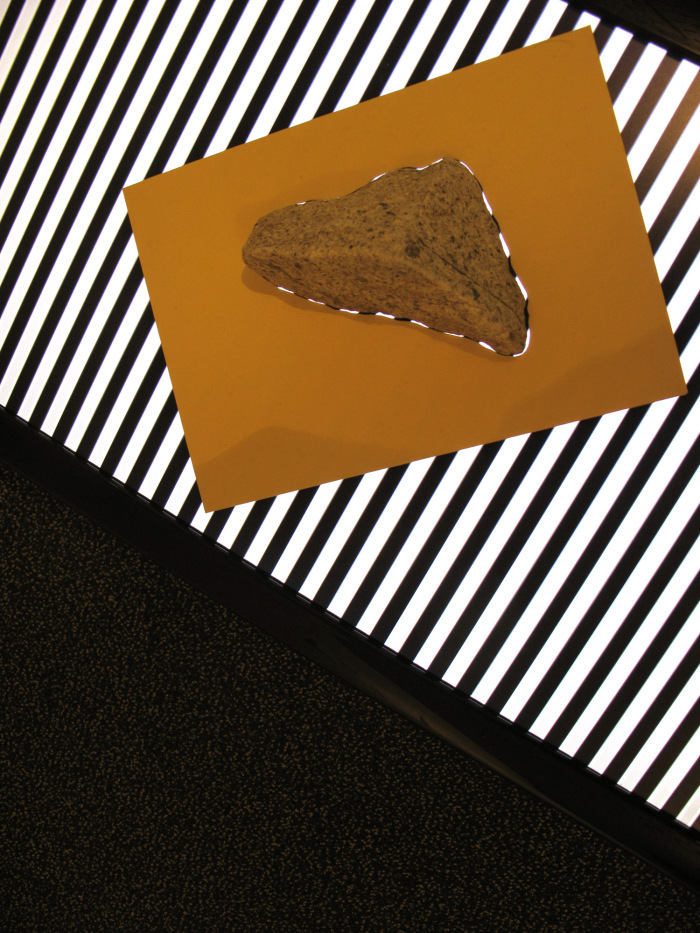
Abelardo Gil-Fournier’s Marching Ants draws upon historical photographic sources of landscape transformations driven by the building of large water irrigation infrastructures as part of 20th century Spanish land reforms. The work is a reminder of the use of forced labor to transform the lines of maps and diagrams into tunnels and channels in the earth. An economic exploitation of political repression that took place during more that 20 years within Penal Colonies that have been since then removed and forgotten.

The marching ants effect, also known as marquee selection, is the animated border of dashed lines often used in computer graphics programs where the dashes seem to move slowly sideways and up and down, as ants marching in line. It is the visible sign of a potentially immediate transformation within the surface of the screened image. Considered from the point of view of an aerial landscape, operations such as gridding, ordering or leveling land, the marching ants are a form of cultural technique, the tracing of an interaction between imaging technologies, environment, geography and governmental knowledge

Sunil Manghani and Ian Dawson, Not on the Map (2017)

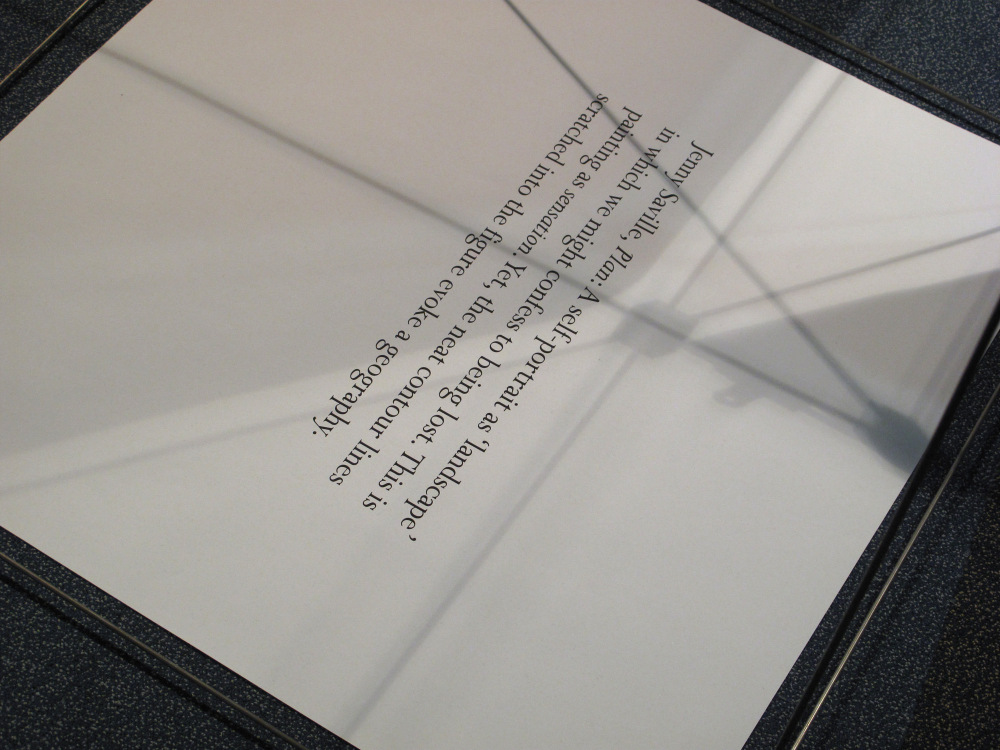
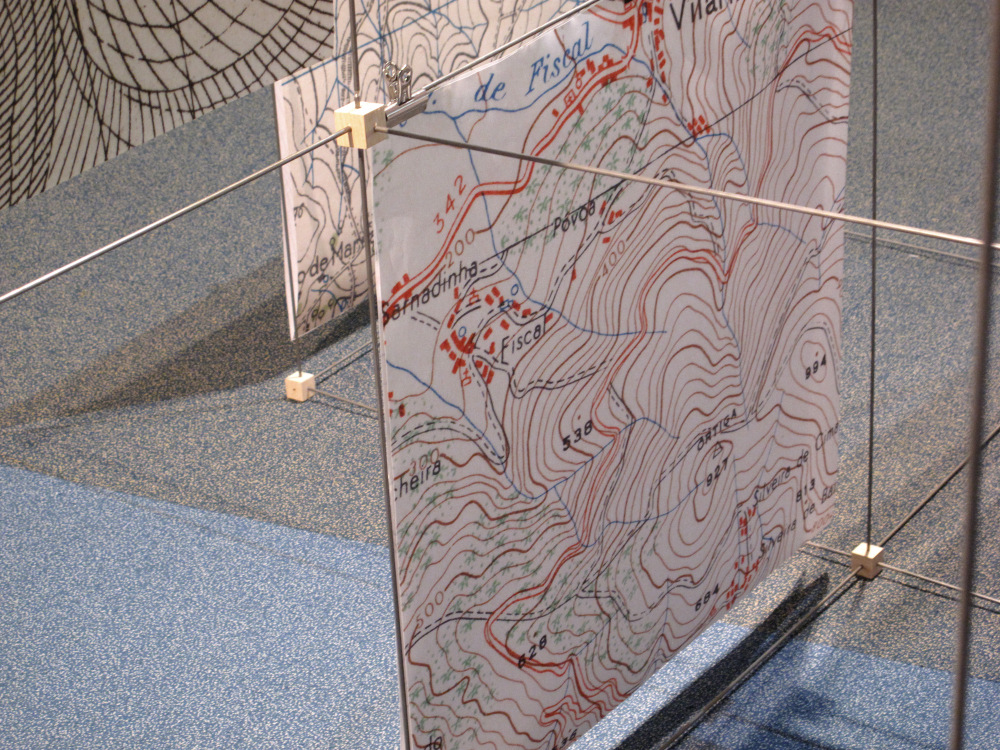
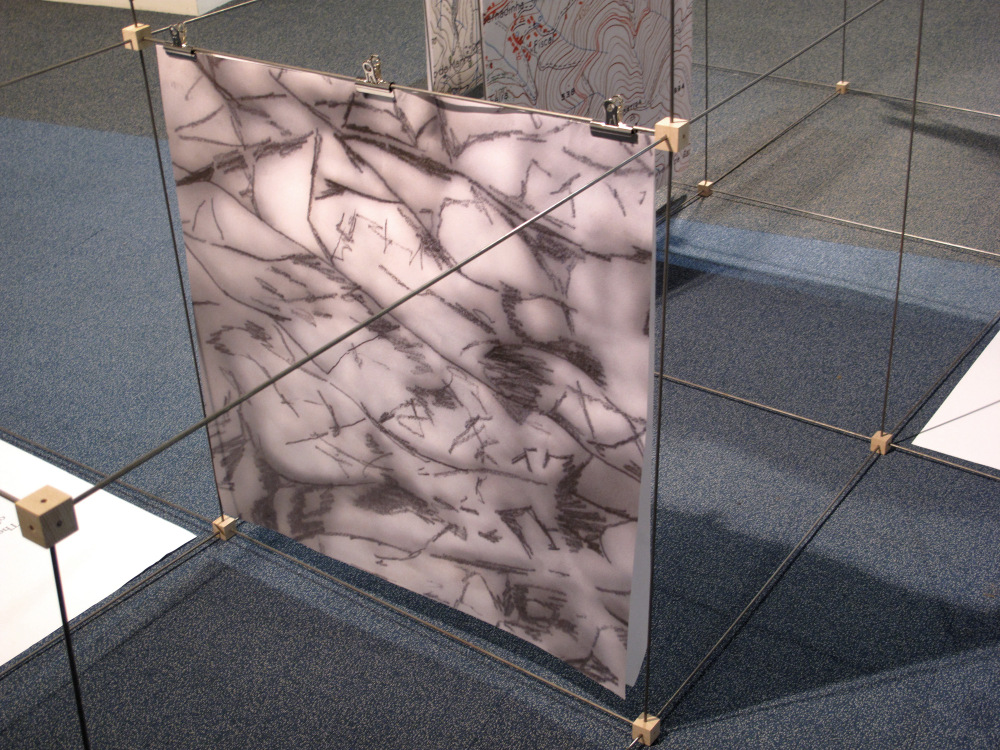
Sunil Manghani and Ian Dawson’s Not on the Map is an image-text installation built into the gallery space. It draws upon maps held in the University’s Special Collections, picking out details from a volume of Spanish maps from the Ward Collection and military maps of Portugal taken from the Bremner Collection. These details are placed in dialogue with tracings from early and recent figurative works by Jenny Saville – the noted contemporary British artist associated with the Young British Artists of the 1990s and well-known for her large-scale female nudes. The rendering of her work here offers a play on the distinctions between perception/sensations and geography/landscape, which combined with details from real maps only blurs and disorientates our ways of reading lines, sites and points of view. In recent work, Saville shows bodies together, such as an infant wrestling in a mother’s arms, couples embracing, a fight, and children playing in the sand. Such scenes take us into uncharted territories, which we might liken to the enigmatic inks of long forgotten maps. Unlike the spectacle of the body in Saville’s early work, the configuration of images staged here pose as private, idiosyncratic landscapes made up of no single definite lines.

AMT Reading Group

Archaeologies of Media and Technology (AMT) research group has started organizing a reading group on media theory. The reading group had its first meeting in October with the aim of initiating a lively forum for discussion amongst students and faculty whose interests overlap with AMT. The research group itself—an office for theoretical and practice-based work in media, design and art, in relation to both contemporary culture and cultural heritage—had its inaugural conference, Future Past Tense, earlier the same month.

We meet at the PhD room in Winchester campus fortnightly to discuss selected texts that relate to themes and topics, concepts and issues in contemporary media theory. The work range from German media theory to new materialism, from issues of power and politics to the role technologies play informing what is produced as material reality.

Some of the first sessions had a particular emphasis on the theorisation of ‘cultural techniques,’ with a couple meetings dedicated to explore the writings of some of the key theorists of the area: Bernhard Siegert, Cornelia Vismann and Geoffrey Winthrop-Young. The discussions revolved around the limits of such conceptualisation in analysing the emergence of objects and processes in contemporary media culture.

We also convened a seminar in collaboration with the PhD studio week to address “critical technical practice” and discuss current approaches to media and art research from a practice-based perspective. It involved issues around making and unmaking and the questions of media technologies as epistemological and aesthetic frameworks. A range of relevant art practices and projects (such as art group YoHa and Critical Engineers) were discussed, as well as the work of the participants. Michael Dieter’s ‘The Virtues of Critical Technical Practice’ was the key text for this workshop.

Recently, we have been increasingly occupied with the problems surrounding life and politics in the present: thinking, writing and making about/with media and technology in the midst of ecological catastrophe. The first port of call in this journey was Donna J. Haraway’s recent book Staying with the Trouble: Making Kin in the Chthulucene, which will inform coming meetings.

AMT directors Jussi Parikka and Ryan Bishop have been collaborating closely with Berlin based digital media arts festival transmediale. A product of this dialogue is the reader, across & beyond, which has been published to mark the 30th anniversary of the festival. The books is edited by the directors of AMT with transmediale’s Kristoffer Gansing and Elvia Wilk. We will engage with the articles, as well as artworks, that reside in this book in the coming sessions.


If you are interested in the reading group, please contact us:

Jussi Parikka / j.parikka@soton.ac.uk

Yiğit Soncul / yigit.soncul@soton.ac.uk

Webpage: http://www.southampton.ac.uk/amt

PhD Studio Intensive

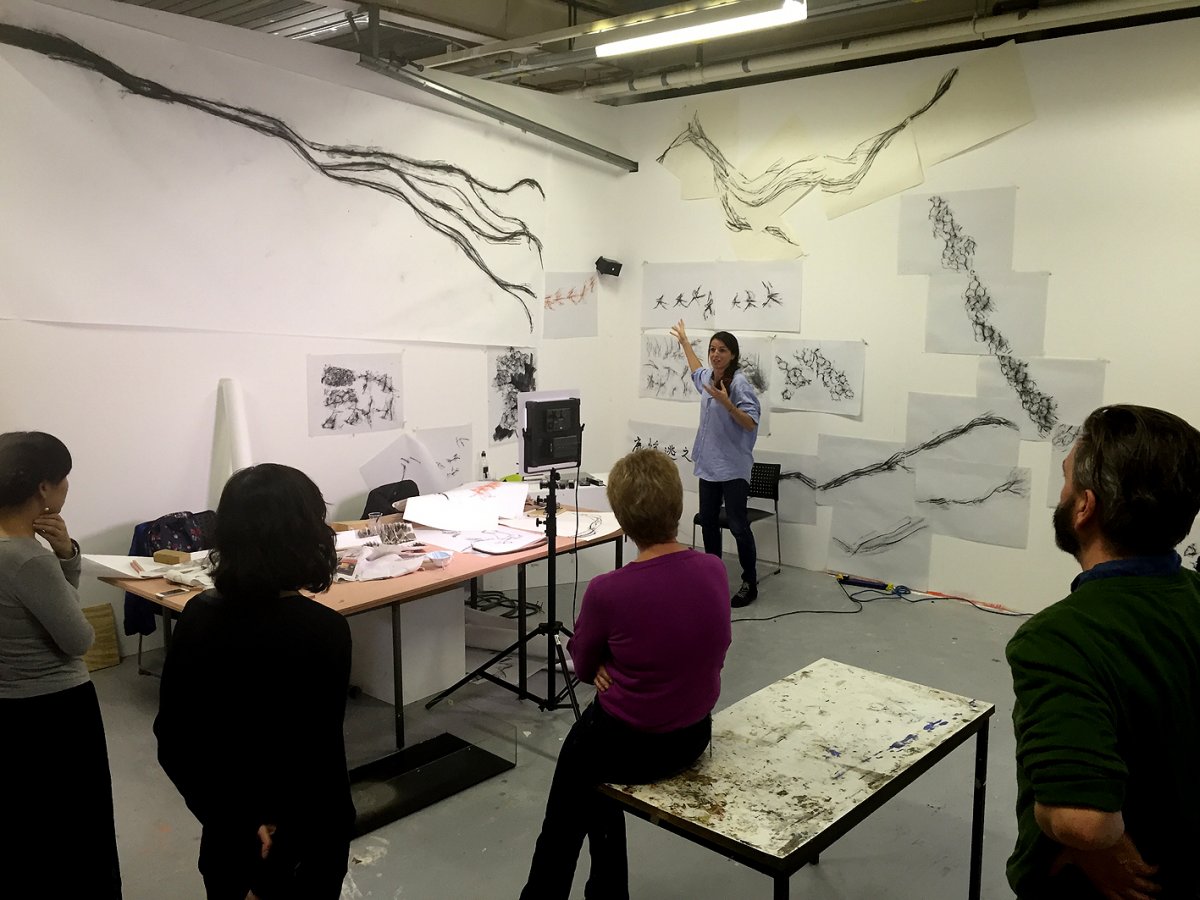
The PhD Studio Intensive ran for a whole week, between 14-18 November 2016. Situated in a large shared space (just off of the main sculpture studio), participants were encouraged to work intensively to explore their own areas of practice, but within the context of a collective environ.

Led by Ian Dawson and Sunil Manghani, who themselves were collaborating in making sculptural works, the intensive week brought together a number of our practice-based researchers: Cheng-Chu Weng, Lucy Woollett, Tessa Atton, Noriko Suzuki-Bosco, Eria Nsubuga, Rebeca Font, Elham Soleimani Bavani, Sarvenaz Sohrabi, Yang Mei, Jane Birkin, Abelardo Gil-Fournier and Jonty Lees. The areas of practice spanned widely, including graphics, installation, photography, painting, drawing sculpture, mixed media and social art practices. The studio was also visited by Gordon Hon, Victor Burgin, Daniel Cid, Jussi Parikka and Ryan Bishop over the course of the week, adding to the discursive and makerly dialogues that ran throughout.

The underlying approach to the workshop and the aim of bringing fellow practitioners together for a full week was to echo the Triangle Workshops set up by Anthony Caro and Robert Loder back in the early 1980s, which led to projects and partnerships in over 40 countries worldwide. It all began with an artists’ workshop in Upstate New York, in 1982, which brought together around 25 emerging and mid-career artists from the US, Canada and UK. They spent two weeks making work. In placing emphasis on the process of making work, rather than the product, the workshop provided time and space to explore new, independent work informed by the exchange of ideas and the sharing of knowledge and skills.


Comments from members of the group:

‘I enjoyed the Studio Intensive Week so much… I have returned full of enthusiasm, energy and a thousand ideas inside my head. […] I took with me, Eria’s feelings (the conversations I had with him about politics and his country), Yang’s brushwork (and her calm), Elham’s line, the shadows of Cheng-Chu, the invisible presence in Jane’s photos, Tess’s tenacity (and her immense kindness), and an unforgettable presentation and discussion of my work with everyone. I take all the comments and thoughts of that moment with me’ – Rebeca Font

‘I still keep thinking on the conversations and shared experiences that took place. It is very interesting to cohabit a space while being involved in practice-based work. Space becomes electrical somehow, with lots of interferences and thoughts sparking all around. Making practice public also exposes both bodies and ideas in a very different way, and in this sense I particularly enjoyed knowing you all in this non-seminar type of situation’ – Abelardo Gil-Fournier

‘…the Studio Week was very useful as it gave us the chance not only to create art but also to witness the creation of other art objects/projects by other artists. [It was a] week to learn/create art, explore new techniques and materials and have interesting and inspiring dialogues with other artists’ – Elham Soleimani Bavani

‘Working with different researchers from different cultures is really very interesting. We create our works with different themes. Because of our different cultures and backgrounds, we experience a fusion and collision of ideas’ – Yang Mei

‘Time, space and other artists – three luxuries that are rarely available concurrently – were offered to us freely for a week. I greedily optimised this opportunity by turning a photographic negative into an installation and by working with other artists on different aspects of my larger project, all the while building relationships with the interesting and diverse group I am fortunate enough to be part of. An excellent week’ – Tessa Atton

‘I was quite uncertain at first about how to go forward with this kind of space. I was greatly inspired by the space and how everybody went around ‘conquering it’. I think Rebeca literally did that! And the Rotunda wacky race was great. Thanks Lucy and Noriko, and for the wonderful portrait Lucy. I enjoyed the work of everyone in the workshop even if i have not mentioned names. A big thank-you to Ian for the great hand of support and for the space.  I hope to work in it again. Thanks Sunil for leading by example and being part of the whole experience. I was inspired by that’ – Eria Nsubuga

It was the first time to see people’s working process rather than seeing the result of work. While we might have been slightly nervous working with each other, through sharing the studio space any apprehension seemed to disappear. Moreover, through giving each other support and feedback, a sense of learning from each other could be seen in this context, similar to the spirit to the former accounts of Black Mountain College. – Cheng-Chu Weng

‘The studio week great opportunity to push things forward in the practice realm. Be it by creating work and projects through material, performative or dialogical processes. It was a great catalyst for discussion on socially engaged practice for Noriko using the context of the school’s very own Brutalist Rotunda. An inside, outside space which will become the focus of further enquiries. Both past and present PhDs, Bevis and Jonty joined in and contributed to the conversation. I also spent some time painting Practice Portraits of Artists in process either in the act of making, thinking or talking about work. Thanks,  It was great to work with everyone and get a dialogue going on about our practice’ – Lucy Woollett

Minimalism: Location Aspect Moment

Click for Exhibition Notes

Cheng-Chu Weng, currently pursing a practice-based PhD at Winchester School of Art, recently curated an exhibition that accompanied the conference ‘Minimalism: Location Aspect Moment‘, which was held at University of Southampton/ Winchester School of Art event (October 14th-15th 2016), and organised by Paul Hegarty, Sarah Hayden and Ryan Bishop, in conjunction with the John Hansard Gallery. 

One of the purposes of ‘Minimalism: Location Aspect Moment’ was to expand our conception of what minimalism was, where it happened, who was making it, why, and how it extends through time until now. It is clear that the minimalist impulse happened in cross-national encounters (such as the 1967 show Serielle Formationen in Frankfurt) and that Europe was fertile ground for explorations in serial works, in playing with the prospect of singular forms and systematic thinking. Admitting the significance of the naming of the idea of minimalism in the 1960s, the conference looked back to earlier versions of the reductionist, repetitive, singularising or multiplying intents of core minimalist endeavour. As a result, the event sought consider what an expanded field of minimalism looks like, sounds like.

The exhibition accompanying the conference brought together the work of nine staff, PhD researchers and alumni from Winchester School of Art. The works and wall texts can be viewed in a specially prepared PDF document.


#gamesUR: London

15/10/2016 by Chris Buckingham

This was an event focused, as the name suggests on the digital games user research community. A community made of international bodies all with an interest in the mechanics, dynamics and aesthetics of the digital products they help create.

In terms of speakers, this was billed as a varied and insightful event bringing together the practical and theoretical under one roof. The reality fell somewhat short as the focus tended to highlight the practical learning and (in Microsoft’s case) the possibility of extending market data. It was a useful day in terms of gaining input from practitioners about their needs and problems they are facing in this complex eco-system. The main insights gained were;

  • Vision is everything but not everywhere.
  • There’ no ‘I’ in team, oh, but there is ‘me’.
  • Diaries are cheap and meaningful, to some.
  • Reduced hearing? MICROSOFT LOVES YOU!
  • VR = Vortex Rides! Hold on folks it’s going to be rough.


Vision

The day started with Nicholas Mathieu from Ubisoft demonstrating some of the difficulties of using eye tracking in digital games. A particular problem Mathieu demonstrated was the use of menu and their location during the game dynamic. The processes at play are fast and the reaction time of each player and the games own run-time is of paramount importance. Position, time to mentally process information and luminosity are all relevant factors that Mathieu and his team face.

In fact, the essence of this is the dance between player cognition, controller in hand and the game mechanics. There are expectations that need to be met in terms of delivering a better experience for the player and making a return on the investment in the form better games with better player experiences. Ultimately, Mathieu and his team recognised and acknowledged that the framing of the game is important to each game and therefore, there are no off-the-shelf solutions to the problem.


Teams

Johan Dorell of EA Dice gave an insightful talk on the use of teams and the communication process that can lead to problems in the development and building of a digital game. Stakeholders are varied with wide expectations and with agendas of their own. The trick, for Dorell at least, seems to be getting them to see the holistic game as a product that will be marketable.

Dorell’s experience is wide, from indie game development with very little support through to major league games where games user research (GUR) was a readily accepted condition of the organisational culture. His most useful tip was to get the teams from the various departments together and ensure they can see the whole game. It may sound obvious to management students and practitioners, but when dealing with such diverse stakeholders with the potential for a disposition verging on the prima donna it may come as a bit of a shock to realise not everyone is singing from the same song book!


Free Time

Perhaps one of the most insightful talks of the day came from Jochen Peketz of Blue Bite (a Ubisoft studio). He introduced the topic of diaries and how users keeping these fundamental records can really add to the overall picture sought through games user research.

Not just this but they can also save the organisation money as these research tools can be used in the players own home/office/café and in their own time. No more the need for expensive labs filled with researchers in white labs and hipster beards furiously writing in pencil on their clip boards. OK, so I might have dreamt that last part, but you get the picture. This is a brilliant poster for the use of these (in effect) field notes taken by the users themselves.

An interesting point to this was the use of emotion the player felt when playing. A simple record of their state of happiness during play was recorded and later comparisons of this emotional state could be analysed against the technical background of the record of play. This means that a double set of data to be analysed with the potential to add much richer detail to the research of the game.

An issue that was not raised during the interesting discussion that followed the talk was that of bias. In part there may be bias from the player’s record of what they thought about the game with hindsight. Did they really like it that much? Did they really recall with accuracy the aesthetic and emotion it provided during play? These are questions that were left hanging as we ran out of time to discuss this further.

There is one other area of concern with this system, that of interpretation. Interpreting user’s words could be fraught with challenges. Not the least the ability to actually decipher the scribblings of players post-game.

Peketz was honest in that he addressed several issues that Blue Bite had faced in this exercise. But he peddled it well to an eager crowd and I for one am convinced there is value in this simple but rich technique.


Reduced Hearing

Tom Lorusso of Microsoft Xbox offered the audience a brilliant overview of the challenges players with reduced hearing have. A Lorusso expertly highlighted, this category of gamer is not one that most developers have considered. But the value in doing so is to reach out across the void and support not those with hearing issues, but much wider tribes that as development implications begin to have a much wider effect on groups beyond the initial target demographic.

For Lorusso and his team part of the problem lay in the lack of comfort that headsets offered those with reduced hearing. They often had their own small devices that fitted in, on or over their ear. To then add a veneer of cumbersome plastic over the top of this, often meant an uncomfortable user experience.

But then they had a light bulb moment, these devices the reduced hearing individuals often had were blue tooth enabled, what if they could use this to address the issues of comfort. But comfort, we then discovered, is actually only a small part of a much wider social issue. There are also barriers to these individuals being able to socially play with other users who are not as effected with hearing issues as they are.

From internal feelings of embarrassment to external social exclusion by other players with adequate hearing, this particular group faced some hard choices which in the extreme even resulted in their isolation from the play world they loved. Lorusso and their team are on something of a crusade to help support this minority group of players.

But the biggest insight for Xbox has been the value creation for others that this has yielded. This value extends well beyond the reduced hearing tribe and can even add to the business model itself. but, there is an issue here.

Xbox, owned by Microsoft, have much bigger reserves to use for this kind of research. For smaller independent studios the problems may well be applicable, but how can they, on a much reduced level of spending, get anywhere near the kinds of insights that Xbox were able to garner? It’s a question that wasn’t adequately addressed, however, the fundamental ideology of inclusivity was one that echoed well around the auditorium that day.


VR

With so much hype around virtual reality (VR) at the moment it was good to see first-hand some of the challenges industry experts are facing with implementation and adoption. Laura Glibert from Ubisoft was able to use insight from their new game Eagle Flight (Ubisoft, 2016) which uses VR to fly around the Paris skyline and in the process shoot and get shot at, by other eagles. Swooping over the Marais or the 14th looked stunning on the clips that were shown.

More insightful though were the video clips of the users trying to negotiate their way around the city skyline while avoiding/attacking other eagles! Seated, some players looked as though they were in some form of extreme yoga as they twisted their head so far over the back of their chair, or lent so far to one side in a turn, that they physically tipped the chair to a point where gravity proved it was boss that day.

Glibert was entertaining in her talk but also quite stern in her advice for researchers. Simple things like keep cables of the floor and never, ever tap a player on the shoulder while they are playing (cardiac arrest is sure to follow), through to training, set-up and post-game reflections were concisely delivered. The golden rule was to plan everything with meticulous detail, and, at all times, watch for signs of well-being in the player. Ease them into the game, ease them out of the game and allow them time to readjust once they are back to showing gravity who da boss!
 

More and Less than Conversation: Research Lab

More and less than conversation: 3 day research-lab, 1-3 Sept 2016

Noriko Suzuki-Bosco

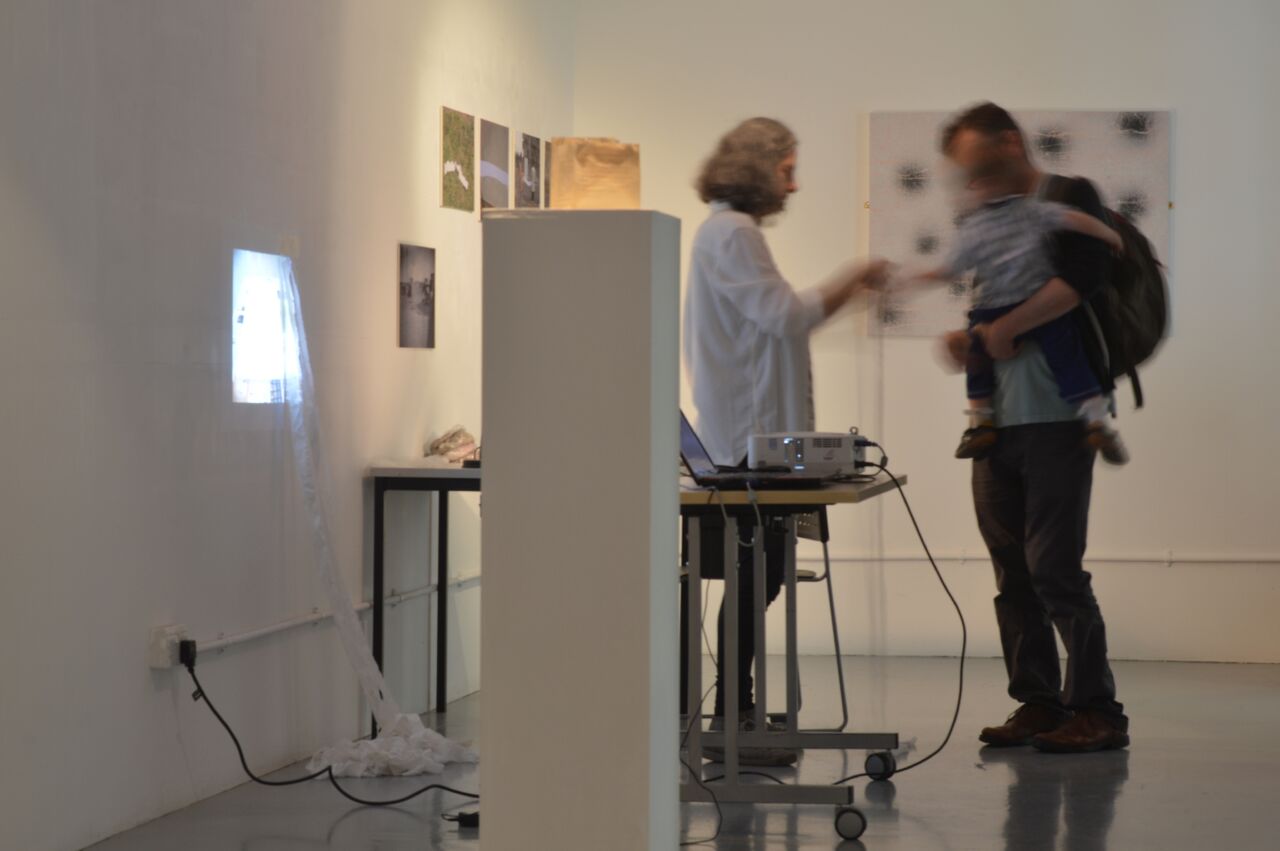
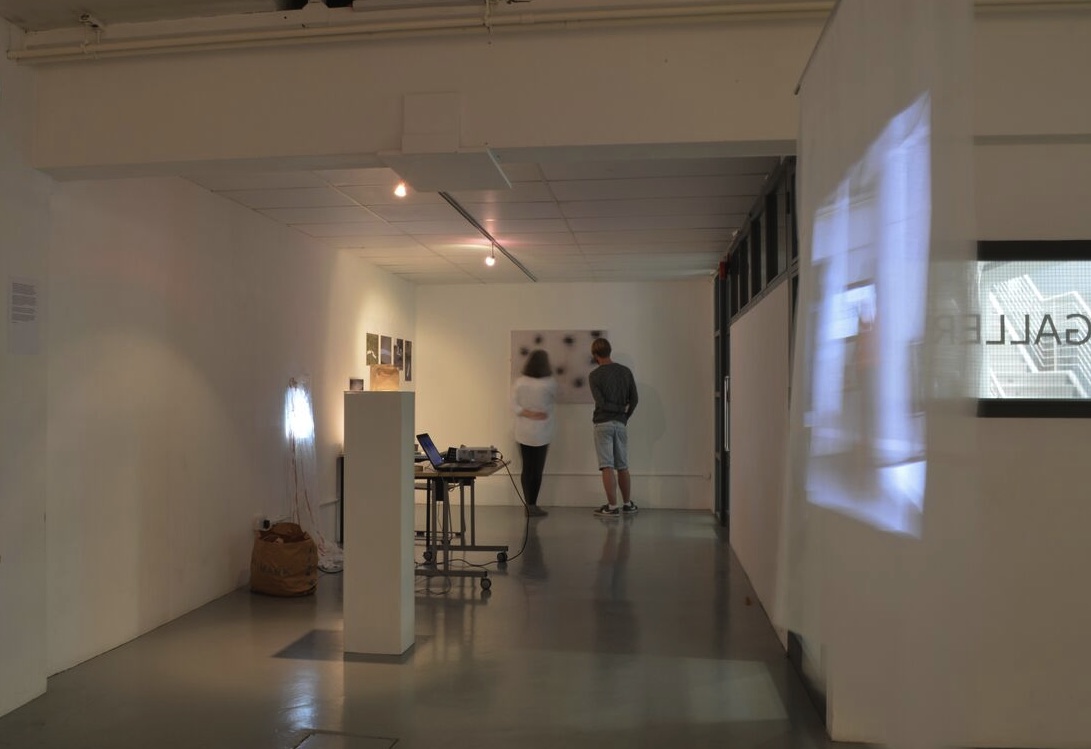
The Phenomenology and Imagination Research Group (PIRG) meets once a month in the WSA PhD study room to examine text through conversational methods. The group recognizes conversation as a ‘cooperative venture’ (to use Allan Feldman’s words), where reading together, enquiring, sharing and listening is understood as a collective act which leads to the production of new knowledge, understanding and thoughts. PIRG has been developing the idea of conversation as a collaborative research method and the three-day research lab in the Winchester Gallery was an opportunity for the group to extend their research approach to the wider audience to further explore ideas around conversation as a verbal and non-verbal inquiry process. The event encompassed activities of making and drawing as well as an exhibition of new works by the group members. PIRG has organized similar events at the 10 days Winchester Arts Festival in 2015 and more recently at University of Birmingham, where situations of material thinking and thinking through material as a way into phenomenological inquiry were offered to invited audiences.

In the article ‘Conversation as Methodology in Collaborative Action Research’, Feldman points out that the cooperative aspect of conversation is what makes the participants feel as if they are ‘partners in the endeavour’ that allows conversations to have ‘directions but not to be directed solely by one participant’ (Feldman, 1999). Typically at the monthly PIRG meetings, the selected text presents the group with the conversational framework. During the three-day event the gallery space became the ‘container’ to prompt and hold the conversations. Certainly during the installation of the exhibition, the gallery literally became the space for the group to engage in a collective endeavour to ensure individual and group requirements were met. The process involved exchanges amongst the group members and thoughtful engagement with the artworks. As the exhibition started to take shape, the works themselves also entered into a dialogue with one another bringing to light both commonalities and differences of their themes, materials and processes that created interesting connections and flows.

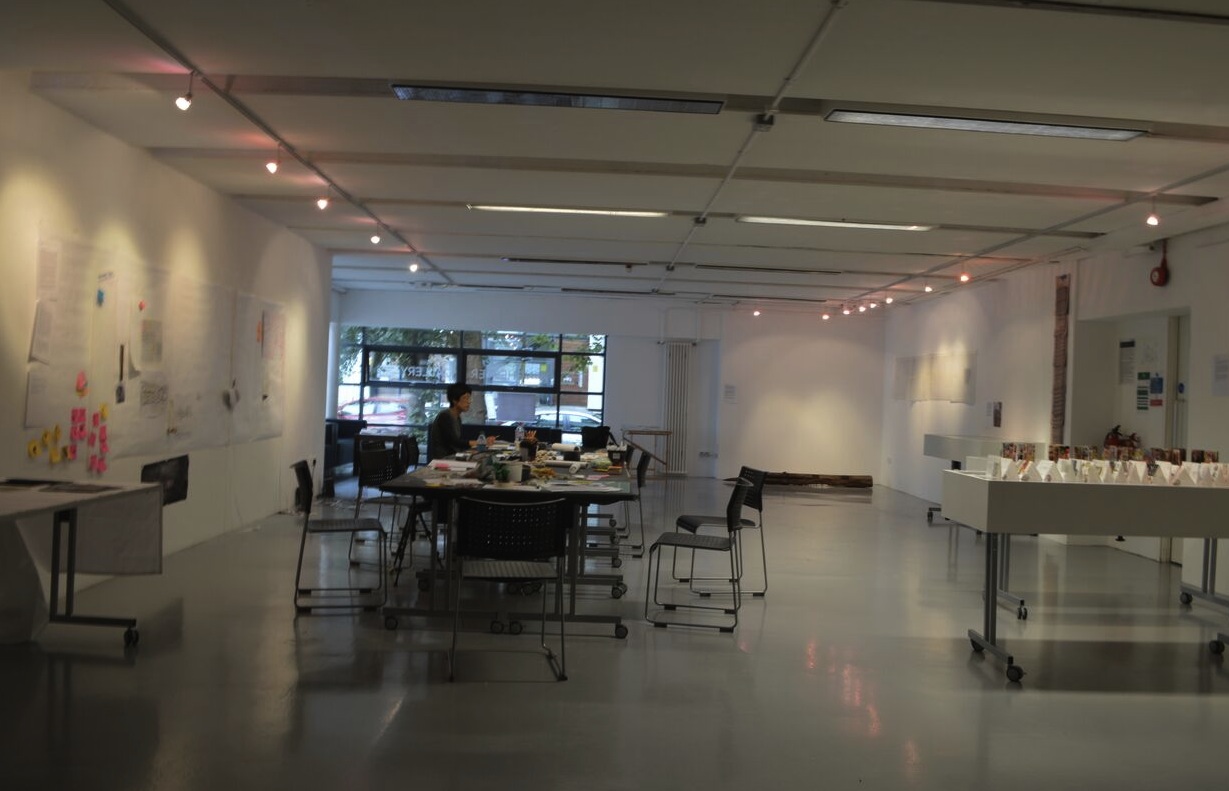
A workshop area, which consisted of a long table with various objects and drawing materials and a large expanse of wall covered in paper, was also created in the gallery space. During the workshops that took place over the second and third day, the group gathered around the table to converse on various topics, such as material imagination, creativity, and notions of aesthetics – areas of common research interest for the group and to draw, write and make in response to the exchanges that took place.

The collaborative process of conversation brings people together to speak, to listen, to question, to investigate, to reflect and to learn. As Professor Simon Keyes at University of Winchester’s Centre of Religion, Reconciliation and Peace describes, dialogue and conversation is a process of collaborative thinking. The three-day research lab gave the group an extended length of time to participate in conversational methods of exchange and to ‘think together’, which was pleasurable as a group experience but also helped to consolidate some of the ideas on conversation that the group have been examining.

Professor Keyes emphasized that conversation is a ‘non-rational’ process that must remain free from goals and conclusions. This is what makes conversation fundamentally different from discussion and debate where some form of end result is expected from the outset. The cooperative venture of conversation helps to formulate new understandings and knowledge that are vital for putting together future action plans and developing new theories. It brings about growth to the way we think about things and for this, conversation holds potential to be acknowledged as a vital form of research for critical inquiry.

Conversation certainly served as the ‘glue’ for the group during the three-day research lab and helped to ‘maintain the integrity of the group’ (Feldman, 1999). However, the group also recognized that the open nature of the event failed to attract sufficient public interest. This brought to light the importance of legibility, accessibility and communicability of one’s work, be it apiece of academic writing or visual artwork. Following on from the three-day research lab, the group has started to examine these areas through series of collective drawing exercises supported by texts on embodiment of practice and knowledge creation.


Feldman, Allan. (1999) ‘Conversation as Methodology in Collaborative Action Research’, School of Education, University of Massachusetts, Amherst, MA. http://people.umass.edu/~afeldman/ActionResearchPapers/Feldman1999.PDF – accessed 17 September 2016)

Professor Simon Keyes’ quotes were taken from notes made by myself at the ‘Understanding Dialogue – From Theory to Practice’ seminar at University of Winchester on 24th May 2016.

Cultural Diversity & Creativity in Lebanese Family Design Businesses

Roula Al Kadamani is currently undertaking her PhD research at Winchester School of Art, examining how cultural diversity impacts on creativity and profitability in the context of family-run design businesses in Lebanon.  In this post she outlines some of the key considerations of her work.

The phrase ‘cultural diversity’ has been associated with individuals and deeply embedded in everyday life in Western and Eastern societies. For example, Lebanon, as a Middle Eastern community, does not constitute a unique culture, and religion should not be viewed as the only source of Lebanese national character since the Lebanese society is a mosaic of different religions and cultures. The role of cultural diversity in Lebanon relates to a difficult history of cohabitation. Civil wars in the 19th and the 20th centuries had a considerable impact on management and leadership style. Despite the fact that Lebanese citizens live in a diverse community, they do not practice diversity in their daily life as their beliefs, cultures, political views and religious practices have immense effect of their behaviours and lives.

Lebanon operates a sectarian system, which is based on ethnic or cultural origins, with powerful families or cluster of families that share a perceived ancestry and culture competing for political sway and resources within the Lebanese state. In Lebanon, family businesses constitute 85% of the private sector, accounting for 1.05 million of 1.24 million jobs. The family unit is usually the only intact institution capable of sustaining innovative activities in Lebanon following civil war (1975-1995). Family businesses play an important role in Lebanese economy if they foster supportive working environments and career opportunities to overcome the employment challenges. In family firms, property and control are so firmly entwined that family members are involved in both strategic and day-to-day decision making, and the firm is shaped by dynastic motive. A family business owner may behave like a dictatorial head of the family. Hence, it is important to provide evidence that diversity has a pivotal role to play in an organisation in attracting top talents who can most effectively contribute to the organisational performance and enhance its competitive advantage.

Consequently, we can assume that family business ownership promotes a paternalistic management and leadership style. Lebanon shares various forms of discrimination, which have fuelled insecurity for both Lebanese citizens and other nationals. Despite Lebanon’s attempts to reduce the number of discriminatory laws and regulations, the country has not been actively engaged in promoting effective implementation of diversity management practices. Therefore, Lebanon is supposed to foster conformity in group, section, or unit behaviour. To overcome these potential limitations, diversity management has to focus on enhancing profitability through the fostering of social justice in the family businesses. If the Lebanese family design business is leading an inclusive culture within their practices, they can lead the culturally diverse workforce to create a more inclusive society.


Global Diversity management practices?

Diversity management practices actually emerged as a concept from the United States of America and the United Kingdom and drew attention to significant changes in the demographics of the workforce and the implications for business. The interest in diversity management has spread in recent years and has become a key managerial response to changing economic and social factors perceived as having an effect on organisational competitiveness. Many global practitioners engaged in the diversity management approaches, have reviewed a shifting discourse to initiate changes from local or international to multinational and global firms. This shifting discourse is assumed to be more understandable and appealing to managers, as well as a closer fit with the discourse and practices associated with Human Resource Management.

Diversity management practices are vital in contemporary organisations as they allow employees to bring their unique backgrounds (visible and invisible differences) example, race/ethnicity or gender and perspectives or opinions to lead creativity for the growth benefits of the organisation. Gender and religion play key role in diversity management for many organisations. Other issues such as age, education, experiences and qualifications are also becoming central to the achievement of a diverse organisation. Many organisations are therefore aiming for a more diverse and inclusive culture, which is essential to develop and promote different skills and perspectives for fundamental organisational change. The adoption of diversity management practices helps to develop skills and experiences and create new ideas within an organisation. These skills and abilities of employees lead to creativity in the workplace, as new ideas are harnessed for the profitability and management of the organisation. Furthermore, diversity management plays a key role in improving human creativity and increasing business performance within the local or global context. Recent studies have gathered evidence on how managers use their positional power to create “inclusive or assimilative” cultural norms through diversity management practices. In the Lebanese context, diversity management is not yet implemented in organisations. Implementing diversity management practices gives companies a competitive advantage in areas such as problem solving, intellectual property and awards for idea generation. However, the challenge of diversity management practices is to break the harmful cycle that equates cultural difference with social/economic disadvantages.

Therefore, the emphasis on the business advantage of diversity management is probably a good motivator for companies to enact diversity programs, it does not mean that moral and ethical missions should be neglected or overlooked. To overcome these potential limitations, it is important to focus on implementing diversity management practices in Lebanese design sectors. This project study will identify some important keys for local and international companies to implement diversity management in their practices. It will emphasize the importance of the role of increasing creative performance arising from diversity and maximizing the access of talented employees. This project study also suggests new strategies to enhance the role of employees who have different experiences, skills and perspectives in the workplace.


Creativity in Lebanon?

Creativity generates lasting value (social and economic benefits) and competitive advantage. Numerous studies on creativity within organisations have been conducted in Western countries. However, only a limited amount of research has been undertaken in in Lebanon and in the Middle East. Western and Eastern perspectives provide different views on creativity and present key directions for future research in Lebanon, the Middle East and the rest of the world. This project study highlights aspects relating to the field of creativity, which requires more in-depth research in Lebanon and the Middle Eastern countries. If Lebanese family design businesses seek to promote creativity such as selecting, creating and modernizing traditional ideas, this would increase creativity and productivity that are desirable to a contemporary items and launch effectively creativity in the local, regional and global markets. Creativity might be fostered including diversity, flexible production, and consumption in Lebanon.


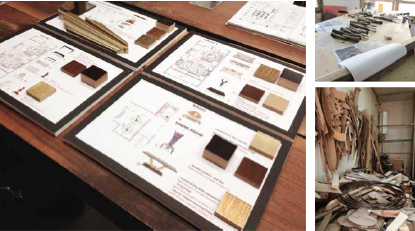
The traditional tools of the creative process in Lebanon. (Images taken from Author’s fieldwork).

The link between ‘cultural diversity influences’, ‘diversity management practices’ and ‘creative performance’ has not always been associated with organisational performance. As a result, this project study seeks to explore the relationship between cultural diversity, diversity management practices and creative performance in Lebanese family design businesses. Using design sector as a case study, this project study will explore further the link between diversity and creativity. If there is a positive link then Lebanese family design businesses would improve performance by increasing diversity. Clearly, we can easily assume that there is a lack of cultural diversity, diversity management and creative performance in Lebanon. This PhD intends to explore this relationship and understand creativity further in Lebanese family design businesses.

Post-Global Luxury – Handicraft in Sri Lanka

Lucy Hitchcock’s PhD research examines the concept of ‘post-global luxury’ in the context of Sri Lanka. Luxury studies is a growing field. In the following account Hitchcock outlines the main scope and themes of her work.

*

Post-Global Luxury?

In the second decade of the twenty-first century, we need to reassess the meaning of the term ‘luxury’. We live in a shrinking world where technology and globalisation have fundamentally changed the way in which we see and value luxury. Today, luxury serves a global audience, not an aristocratic world of title and old money. For many, the term ‘luxury’ is founded upon a plethora of assumed connotations such as rarity, costliness, quality and connoisseurship, which have developed over its long history. Indeed, the overuse of the term in contemporary ad speak seeks to draw upon these qualities. Within an advanced capitalist society, where the range of consumer goods available is often staggering, the term ‘luxury’ is used to signify a high-end good within a particular category; commonly supported by a high-end price point.

The link between a high price-point and the term ‘luxury’ stems from the intrinsic relationship between luxury and class structure. Luxury has always been associated as the domain of the elite and has been politicised throughout history as a social tool, from the use of sumptuary laws to conspicuous consumption. In fact, the use of luxury as a tool for social construction has been a constant throughout history, both in the East and the West. Within recent history, the processes of globalisation have had a profound impact on social structure around the globe. Increased connectivity, enabled by the processes of globalisation and the technology revolution, has created a global class system increasingly based upon economic wealth.

The many processes of globalisation have created a dominant market of global luxury brands that are universally recognisable. Their logos have become social signifiers. As consumers we carefully curate the commodities we use and brands we patronise in order to present a sense of self within an increasingly global society. This growing industry has drawn upon the historical connotations of luxury, such as quality and rarity, but has also cemented the relationship between the term luxury and the overt world of branding. Consequently, ‘luxury’ has been transformed as a result of its contemporary association with the eponymous world of global luxury brands.

The ubiquitous presence of these brands within our contemporary society means that, for many, they have come to embody an understanding of luxury. Certainly, the semiology of these brands and their products provides an understanding of ‘luxury’ that can cross geographical and cultural boundaries. Even within particular localities where the global industry of luxury brands does not yet have a physical presence, the qualities of these brands and their association with luxury are understood. However, as this PhD will establish, the scale and relevance of the market of global luxury brands is not in itself sufficient to characterise an understanding of luxury. At a base level, this is due to the simple fact that these goods are not yet universally available. This would suggest that within localities that do not yet have physical access to these brands and their products, there is a lack of luxury.

This study proposes a research project that looks outside of the dominant discourse of global luxury brands. Although these multinational companies form an integral component of our contemporary understanding of luxury, they are not sufficient to define it. In contrast, post-global luxury represents instances of luxury that counteract the traits and circumstances of this predominantly Western market of global luxury brands. This sense of luxury remains intrinsically linked to globalization, as an inevitable fact of daily life, but through catering to a local market does not actively seek to be ‘global’ in nature. As a result, these products offer a more nuanced and diverse understanding of luxury, dependent upon the circumstances of a particular locality rather than the overriding trends of globalization around the world. This is apparent within the national market of luxury goods within Sri Lanka.


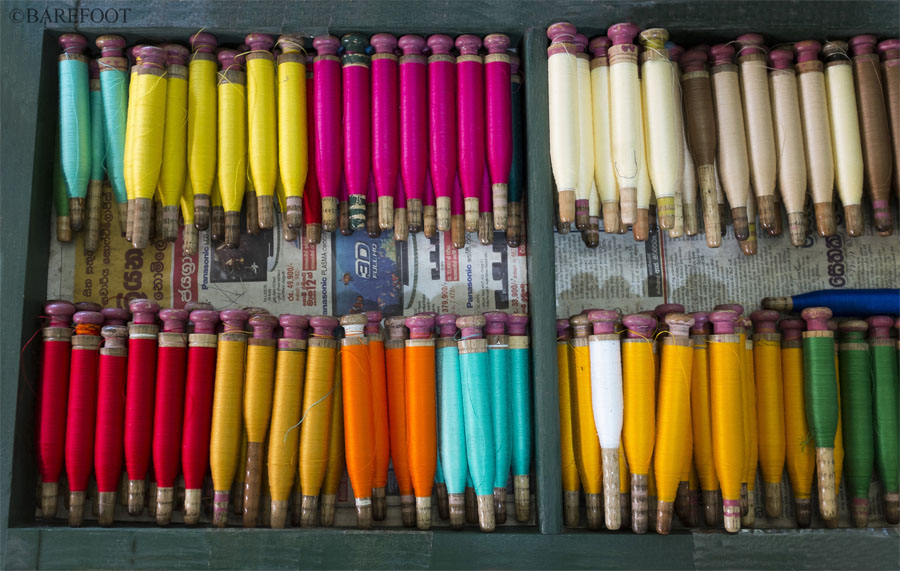
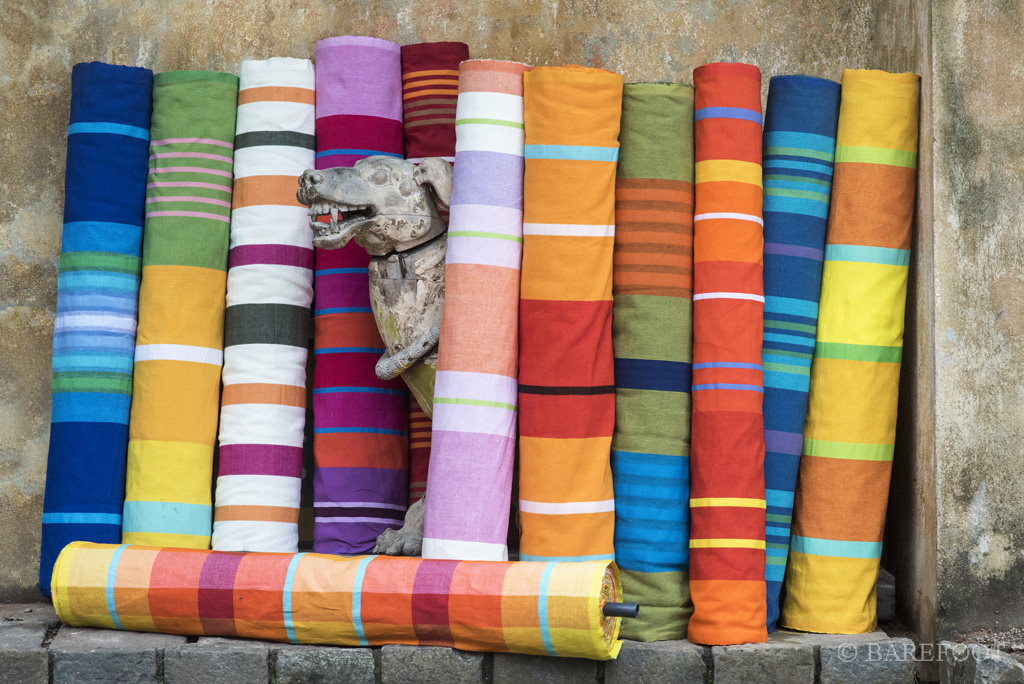
Rolls of hand woven cloth designed by BAREFOOT. Image courtesy of image credit for Barefoot Ceylon.
Rolls of hand woven cloth designed by BAREFOOT. Image courtesy of Barefoot Ceylon.

Post-Global Luxury in Sri Lanka

Since the end of the civil war in 2009, and after 30 years of distance from the global economy, Sri Lanka has been swept up in a flurry of economic development. Huge amounts of investment, the majority from powerful Asian economies such as China and India, have transformed the experience of everyday life across the island. Consequently, much of the population of Sri Lanka are becoming progressively global, through increased access to new technologies and steadily growing wealth. Despite this, the relatively small population of Sri Lanka combined with the cost of import duties has meant that very few global luxury brands have branched into this market. Without the physical existence of globally recognised luxury brands, how do we seek to understand luxury within Sri Lanka?

Within the urban hub of Colombo, the range of consumer goods available is continually growing, alongside the expanding middle classes and a culture of consumption. Many longstanding, national brands are now under competition from a wealth of new, local brands that have emerged with the economic boom that has swept the island, catering to the growing consumer class. These brands and products dominate a market where there is very little international competition. These goods are designed and manufactured for a local consumer. Yet, this does not restrict their global appeal, to both the Sri Lankan diaspora and tourists alike.

Many of the high-end national brands within Colombo and across Sri Lanka utilise traditional handicraft techniques, such as handloom weaving or batik, within their product range. There is a long, historical connection between the concept of luxury and handicraft techniques, stemming from nostalgic ideas of the master craftsman before the industrial revolution and factory-line production expanded. For many brands, such as Barefoot and Paradise Road, their ethos is built upon the foundations of handicraft techniques. These techniques have been absorbed into the historical narrative of Sri Lanka, and for many provide an expression of nationalism. Similarly, there is a new generation of Sri Lankan designers who are catering to the emerging consumer class in Colombo. The AOD International Design Campus in Colombo is encouraging their students to invent the ‘New Sri Lankan Style’, working alongside artisan communities around the island. Many of these new designers and brands seek to revitalise and reinvent traditional handicraft techniques, such as handloom and batik, creating goods that are desirable to a contemporary consumer. Others look to modernise traditional items of clothing, such as the sari and sarongs.

The creation of this sense of ‘local luxury’ exists in stark contrast to the dominance of particular global luxury brands within other, more developed Asian economies, such as India, Japan, and China. These goods offer an entirely different experience to the exported, mass-produced goods of global luxury brands. Consequently, Sri Lanka provides an understanding of luxury, and luxury goods, which contrasts with the dominant discourse around global luxury and the marketing plans of these brands. Clearly the discourse around global luxury brands is not universal; it does not ring true for every locality. This PhD intends to explore this unique instance and understanding of luxury further.


[Feature image courtesy of Barefoot Ceylon]