The Value of Museums

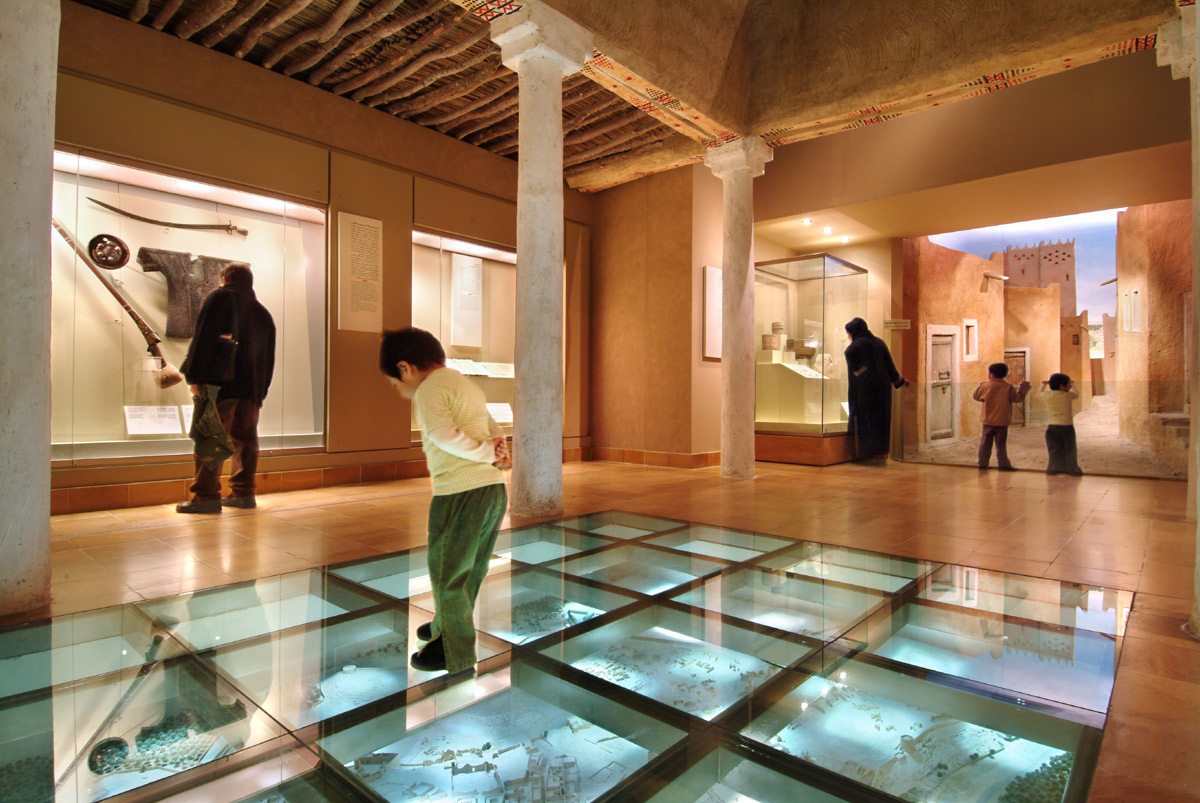
Najla Binhalail’s doctoral research examines the practicalities and politics of the museum display of Saudi clothing, with particular consideration of the Unification of the Kingdom Hall in the National Museum in the Kingdom of Saudi Arabia. Her work prompted the readings for a seminar on the function and ‘value’ of the museum . Her account of the seminar she led connects also with her attendance at the recent conference ‘Taste After Bourdieu’.  


On Wednesday 14 of May, Dr. Sunil Manghani and eight PhD students from different nationalities studying at the Winchester School of Art took part in a seminar to discuss the cultural identity and value of museums. As this topic is relevant to one area of my PhD thesis, I would like to summarise and comment upon our seminar discussion. 
I began the seminar by giving out two papers, each summarising a previous piece of research concerning the core function of museums, and one paper  and pen for the answers to the question I would ask during the discussion.
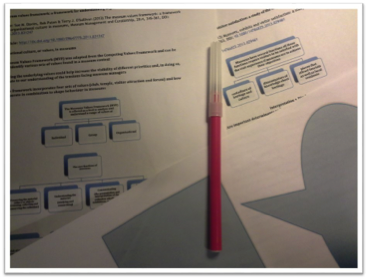
Fig1. Three sheets of paper and pen provided for the discussion

A definition of the word “museum” was then offered as “a building where many valuable and important objects are kept so that people can go and see them”(Dictionary: Rundell and Fox, 2007, p.985). I asked the question, “What is the function of a museum?”, and the group were asked to write their answers on the paper provided and read them out prior to our discussion.
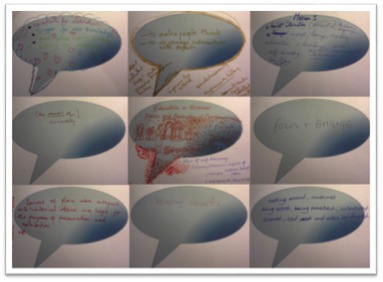
Fig2. Answers to the question before our discussion

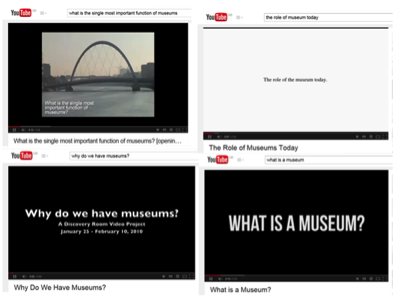
We then watched four YouTube videos (see links below) presenting a varied selection of views and perspectives from both visitors and museum staff in answer to the question I had posed.
museum-blog-3
Fig3. The four YouTube videos concerning the function of a museum

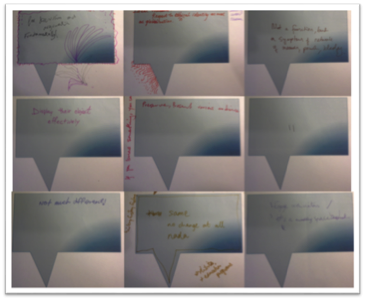
We based our discussion on the videos and the summary I had made of two research papers, “The Museum Values Framework: a Framework for Understanding Organisational Culture in Museums, and Museums, exhibits” and “Visitor Satisfaction: a Study of the Cham Museum, Danang, Vietnam.” After our discussion I asked the same question, “What is the function of a museum?”. Again the group gave their answers on the same sheet paper. The purpose of repeating the question was to observe and compare how opinions had changed as a result of our discussion.
museum-blog-4
Fig4. Answers to the question after our discussion

 In the light of our discussion, I have come to recognize that the word “value” rather than “function” may be more appropriate when describing the aims and purposes of a museum. “Function” tends to imply one overall concept which may or may not be true in any given context, while “value” allows for differences in the economic, political, religious and national needs of each museum, its management, staff, and culture of which it is a part, as well as the wide mix of age, gender, nationality, social and educational background of its audience.

After the seminar I attended the “Taste After Bourdieu” conference at the University of the Arts in London, and as a result I became aware of the relationship between our seminar discussion and a research paper presented by Dr Silke Ackermann, “Have you got a quid?- Museums as development tools in urban culture.”
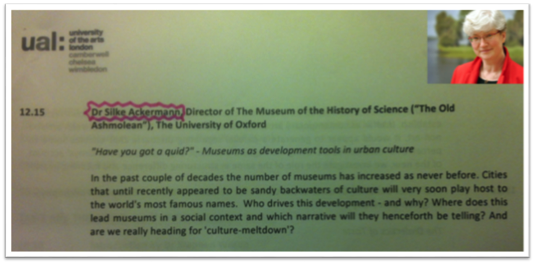
Fig2. Dr. Silke Ackermann’s abstract

I understand Dr. Ackermann’s concern, because I am from Saudi Arabia and my culture is similar to that of the United Arab Emirates. Her questions were about the value of museums in an urban culture, and in particular she mentioned three new museums in Abu Dhabi as examples of her concern. My opinion is that there appears to be a different value for the museum in some countries of the West compared with some countries of the Gulf.

Some of the Gulf countries have come more recently to recognize the value of museums. They understand that progress and civilization originate from the roots of the past and are attempting to increase an awareness of the importance of museums. These countries tend to link the existence of museums to the interests of their tourists and non-citizens rather than to the needs of their actual residents. As a result, they plan their museums based on the valued experience of some western countries, with many of their new museums designed by foreign experts from a western culture. I am convinced that such experts will not easily understand the real needs of the citizens of the Gulf region.

Museums keep the valuable objects and display the heritage of the nation. Their presentations need to be distinct, effective, and offer the visitor a pleasing and interactive experience. Museums are not merely storerooms or repositories of the past, they are places of the present and the future, places that tell us the human story throughout the ages in an accurate and true fashion, and thus open up and interpret human civilization for succeeding generations to come. My hope is that the majority of citizens in the Gulf countries will come to appreciate the value of museums for the increase of knowledge and communication, and the strengthening of their political and economic standing in the world.

Resources:

Davies, S. M., Paton, R. and O’sullivan, T. J. 2013. The museum values framework: a framework for understanding organisational culture in museums. Museum Management and Curatorship, 28 (4), pp. 345–361.

Rundell, M. (2007). In: English Dictionary for Advanced Learners, 2nd ed. Oxford: Macmillan, pp. 985.

Trinh, T. T. and Ryan, C. 2013. Museums, exhibits and visitor satisfaction: a study of the Cham Museum, Danang, Vietnam. Journal of Tourism and Cultural Change, 11 (4), pp. 239–263.

http://www.youtube.com/watch?v=FL97lJ2rSdI

http://www.youtube.com/watch?v=cjx1F-N3YbQ

http://www.youtube.com/watch?v=ggXFIXglhjs

http://www.youtube.com/watch?v=2_y7n7OGslg

Picturing Research / Researching Pictures

Looking at Images, Workshop 1: Picturing Research / Researching Pictures
Wednesday 21 May 2014
Winchester School of Art

Guest Speakers

Marquard Smith, Editor-in-Chief of Journal of Visual Culture

Sunil Manghani, author of Image Studies: Theory & Practice

Mihaela Brebenel, Jane Birkin, Rima Chahrour, Nina Pancheva-Kirkova, and Phaedra Shanbaum, who collaborated on the Working with Images  symposium as part of the Radical Media Forum (Goldsmiths College 28/02/14).

Picturing Research / Researching Pictures was open to postgraduate and early career researchers working in the areas of image studies, visual culture, media and communications, and art and design. The workshop began with presentations on what is typically meant by image research and considered the different ‘images’ we hold of research itself. Following which, participants worked collaboratively to experiment with and critique an ‘ecology of images’ research tool. All participants were invited to expand on the debates and techniques explored during the workshop to submit individual contributions for the ‘Researcher’s Guide’ e-book.

Picturing Research / Researching Pictures was the first of two workshop events for Looking at Images: A Researcher’s Guide, an AHRC-funded project which ran over 2014. The project focused on the development of skills in image-related research, prompting dialogue between and within the subject areas Art & Design and Media & Communication (concerning both practice and non-practice research). It culminated in a launch event, at the British Library, for a collaboratively produced ‘Researcher’s Guide’ e-book. The idea for the overall project, Looking at Images, grew out of three main influences:

(1) Marquard Smith (editor of the Journal of Visual Culture) offered a key contribution to Winchester School of Art’s Centre for Global Futures in Art, Design and Media, with a presentation about the ‘image’ of research. Subsequent discussion also informed WSA’s Postgraduate Conference 2013, which identified a need in developing deep-level skills pertinent to understanding and handling the image in and as research across a range of areas.

(2) Approaches to thinking critically about images and image practices while simultaneously engaging with image-making processes has been difficult to formulate. Sunil Manghani’s Image Studies (Routledge, 2013) is one key publication that speculates upon specific research tools and approaches for both obtaining and handling images (relating to issues of access, quality, ethics and intellectual property) and critiquing them (including the use of images as a means of critique). The book includes an ‘ecology of images’ diagram as a proposed research tool, with examples of its use to stimulate and enrich image research.

(3) The recently launched Photomediations Machine (a sister project to the online open access journal Culture Machine) has renewed debates about the form of scholarly work. Curated by Prof. Joanna Zylinska (Goldsmiths), it provides an online space where ‘the dynamic relations of mediation as performed in photography and other media can be critically encountered, experienced and engaged’. As a platform for combined theoretical and practical work, it has led us to think further about the future of image-based, open access research in the field of visual culture.

See also: Looking at Images, Workshop 2: Image Research & its Futures

Picturing Research / Researching Pictures

Looking at Images, Workshop 1: Picturing Research / Researching Pictures
Wednesday 21 May 2014
Winchester School of Art

Guest Speakers

Marquard Smith, Editor-in-Chief of Journal of Visual Culture

Sunil Manghani, author of Image Studies: Theory & Practice

Mihaela Brebenel, Jane Birkin, Rima Chahrour, Nina Pancheva-Kirkova, and Phaedra Shanbaum, who collaborated on the Working with Images  symposium as part of the Radical Media Forum (Goldsmiths College 28/02/14).

Picturing Research / Researching Pictures was open to postgraduate and early career researchers working in the areas of image studies, visual culture, media and communications, and art and design. The workshop began with presentations on what is typically meant by image research and considered the different ‘images’ we hold of research itself. Following which, participants worked collaboratively to experiment with and critique an ‘ecology of images’ research tool. All participants were invited to expand on the debates and techniques explored during the workshop to submit individual contributions for the ‘Researcher’s Guide’ e-book.

Picturing Research / Researching Pictures was the first of two workshop events for Looking at Images: A Researcher’s Guide, an AHRC-funded project which ran over 2014. The project focused on the development of skills in image-related research, prompting dialogue between and within the subject areas Art & Design and Media & Communication (concerning both practice and non-practice research). It culminated in a launch event, at the British Library, for a collaboratively produced ‘Researcher’s Guide’ e-book. The idea for the overall project, Looking at Images, grew out of three main influences:

(1) Marquard Smith (editor of the Journal of Visual Culture) offered a key contribution to Winchester School of Art’s Centre for Global Futures in Art, Design and Media, with a presentation about the ‘image’ of research. Subsequent discussion also informed WSA’s Postgraduate Conference 2013, which identified a need in developing deep-level skills pertinent to understanding and handling the image in and as research across a range of areas.

(2) Approaches to thinking critically about images and image practices while simultaneously engaging with image-making processes has been difficult to formulate. Sunil Manghani’s Image Studies (Routledge, 2013) is one key publication that speculates upon specific research tools and approaches for both obtaining and handling images (relating to issues of access, quality, ethics and intellectual property) and critiquing them (including the use of images as a means of critique). The book includes an ‘ecology of images’ diagram as a proposed research tool, with examples of its use to stimulate and enrich image research.

(3) The recently launched Photomediations Machine (a sister project to the online open access journal Culture Machine) has renewed debates about the form of scholarly work. Curated by Prof. Joanna Zylinska (Goldsmiths), it provides an online space where ‘the dynamic relations of mediation as performed in photography and other media can be critically encountered, experienced and engaged’. As a platform for combined theoretical and practical work, it has led us to think further about the future of image-based, open access research in the field of visual culture.

See also: Looking at Images, Workshop 2: Image Research & its Futures

Dissection Drawing

Lisa Temple-Cox’s doctoral research centres around a practice of drawing,  focused upon issues of the body after death. In this post she reports upon a ‘dissection drawing event’ she attended organised by BIOMAB (Biological and Medical Art in Belgium) and in collaboration with ARS International and the University of Antwerp’s Faculty of Medicine. This annual event brings together independent artists, medical and anatomical arts students and their tutors, and surgical students from Antwerp University.

The opportunity to draw from life, as it were, in the dissection theatre is now extremely rare. Gone are the days when the study of anatomy in arts included working from bodies that were not only unclothed, but exposed beneath the skin. Jacques Gamelin’s series of expressive anatomical drawings of Ă©corchĂ©s, published in  his 1779 Nouveau Receuil d’OstĂ©ologie et de Myologie, were subtitled ‘dessinĂ© aprĂšs nature’: as opposed, I assume, from working from casts or sculptures – the notable Ă©corchĂ© of an executed smuggler in the pose of ‘the dying Gaul’ (nicknamed ‘Smugglerius ‘ by generations of 18-19C art students at the Royal Acadamy) comes to mind.

The event took place over two days. The first day was at the veterinary school of the University of Ghent, which offered the opportunity, via dissection of a number of donated animals, to learn about the differences between animal and human anatomy We saw, among other organs, a dog’s five-lobed liver – that organ which Galen used, erroneously, to describe a human liver, basing his work on human anatomy through animal dissections. (His work dominated Western medicine for over a thousand years until challenged by that ‘greatest single contributor to the medical sciences’, Andreas Vesalius, of whom more later).

Figure 1

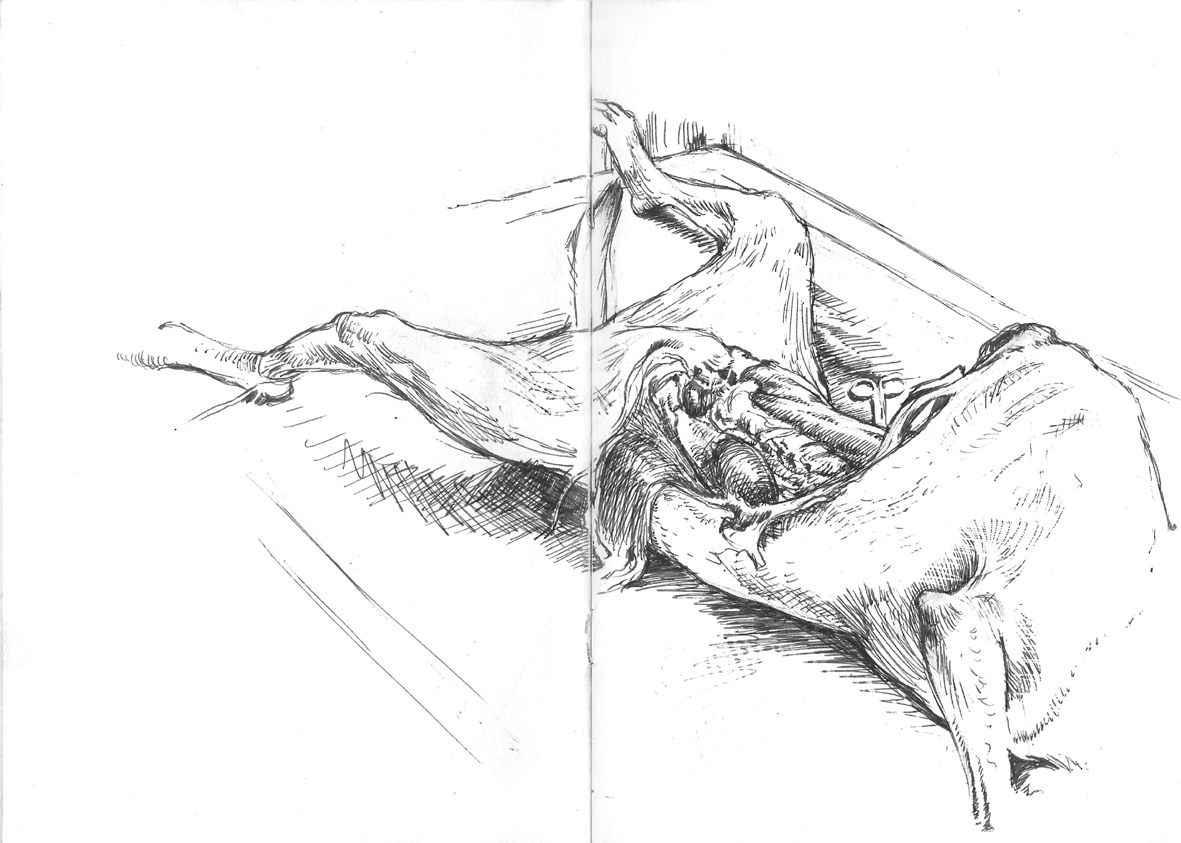
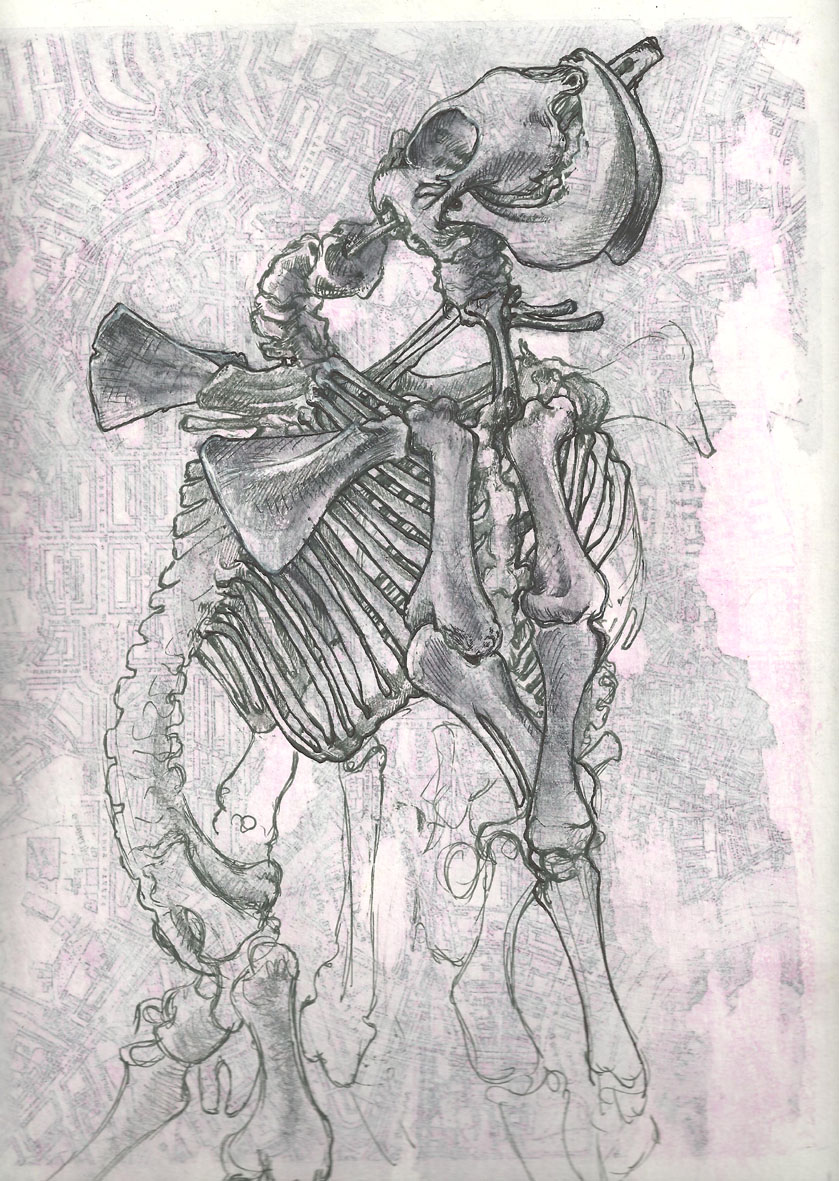
The morning being taken up by the dog dissection  (fig1) – donated, after it’s natural demise, by its owner who is a member of staff at the school – in the afternoon students were given the chance to work either from fresh specimens or to explore the on-site museum. While it was difficult to choose between the lab and the museum, I was very interested in the displays of animal teratology that the latter contained. It was in the museum that I came across this cephalothoracopagus calf skeleton (fig2): a fascinating comparative object against which to consider a similar (human) teratological specimen I’d drawn in the Mutter Museum on a previous research trip.

Figure 2
Figure 2


Figure 3
Figure 3

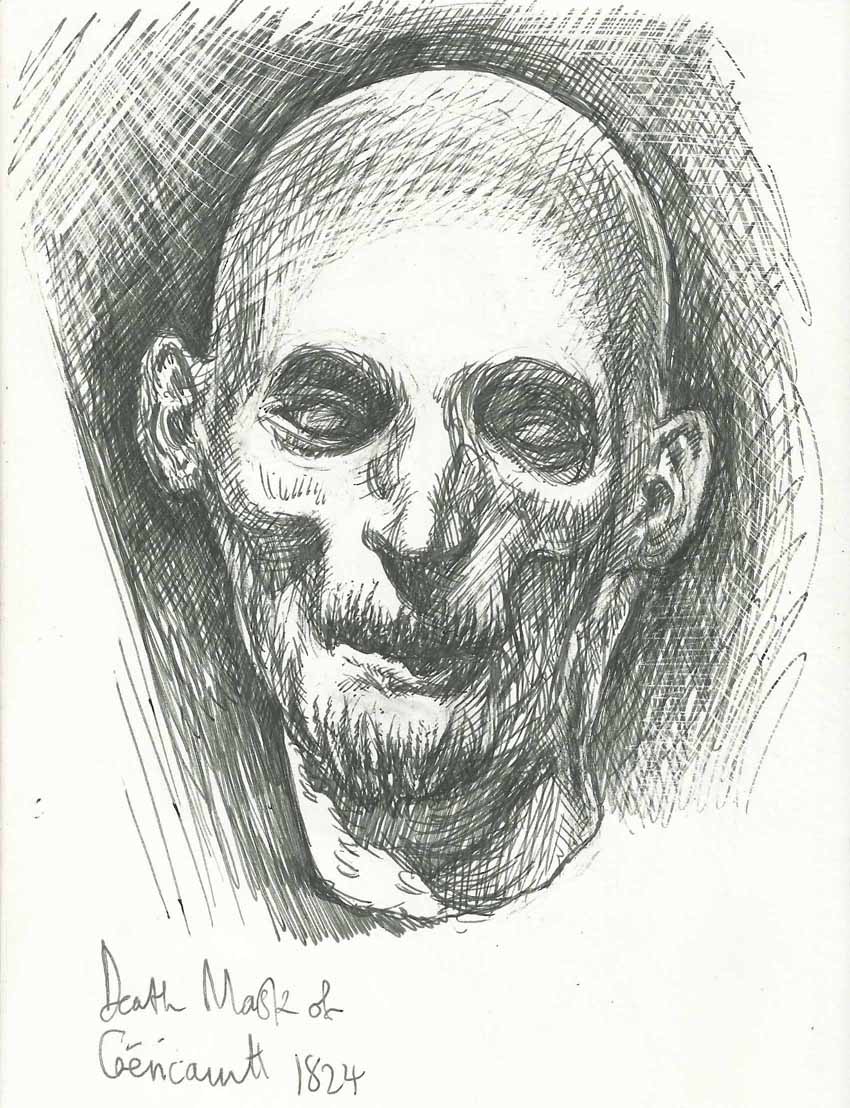
An additional and unexpected benefit of this trip was that it coincided with an incredible exhibition at the Museum voor Shone Kunsten Gent: “Gericault: Images of Life and Death”. The exhibition began with a copy of ‘The Raft of the Medusa’ painted around 1860 by Pierre-DĂ©sirĂ© Guillemet and Étienne-Antoine-EugĂšne Ronjat – the original not being permitted to leave the Louvre – and included a huge number of Gericault’s sketches and paintings, as well as supporting images by his contemporaries and influences, historical political information, sculptures, paintings, and contemporary artworks. I was especially excited to see – in the flesh, so to speak – his preparatory studies for the Raft, including the oil sketches popularly known as ‘the morgue paintings’: a happy coincidence given the reason for my visit, and that they form part of my visual research. The exhibition further included a number of death masks, moulages, anatomical atlases and plates – including some of Gamelin’s Ă©corchĂ© drawings – and a life-sized, full colour print from Jacques-Fabien D’Agoty’s ‘Myology Complete’ showing the muscles and nerves. Most striking, however, was Gericault’s own death mask. Starkly lit and gaunt in the extreme, the skull could be discerned, even through the medium of plaster, under the taut and fragile skin of his face: echoing his own studies of severed heads, here was the artist, anatomised. It produced, in me, neither horror nor disgust – a philosophical distinction much discussed in his day – but, like the anatomical plates, and the dissection drawing event that was the primary purpose of my visit, inspired a kind of fascination that bypassed the grotesqueness of suffering and entered the realm of the Pieta. (fig 3)

Figure 4
Figure 4

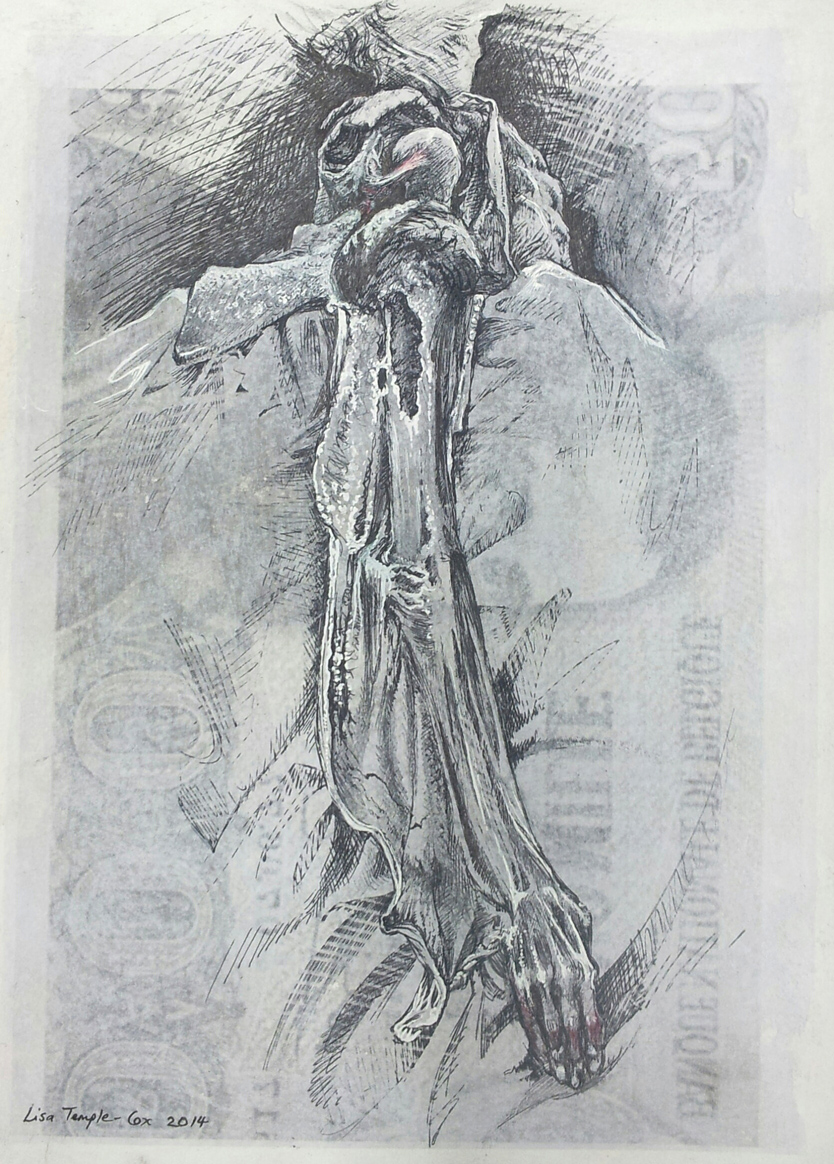
The second drawing day took place in the dissection lab at the University of Antwerp, where a range of body parts – both preserved in formaldehyde, and fresh – were laid out for students to work from. During this session the surgeon, Francis Van Glabbeek, continued a dissection on the left arm of the cadaver, (fig 4) an elderly woman who had died naturally and generously donated her remains to the school, while one of his surgical students dissected the throat. Throughout these processes they described what they were doing and explained the anatomy, pausing at regular intervals to allow for students to make notes and sketches. During our visit some footage was filmed as part of an upcoming  documentary charting the life of Vesalius, who was born in Brussels in 1514, and whose anatomical atlas – De Humani Corporis Fabrica (1543)  – changed the study of human anatomy in ways that continue to be felt. In conversation with Van Glabeek – whose interest in the history of western medicine includes a personal  collection of some very rare tomes, the Fabrica included – I was informed that Vesalius’s treatise known as the Epistola Docens was, in his opinion, the first PhD as we know them today. He explained that it was not, as was usual at the time, a doctorate gained by the repeating of knowledge already known, but a document which sets out a problem and methodically shows the steps taken in order to solve it and arrive at a conclusion – a pertinent and timely reminder of the scholarship and enquiry that underpinned the work of all the participants of this event.

Figure 5
Figure 5

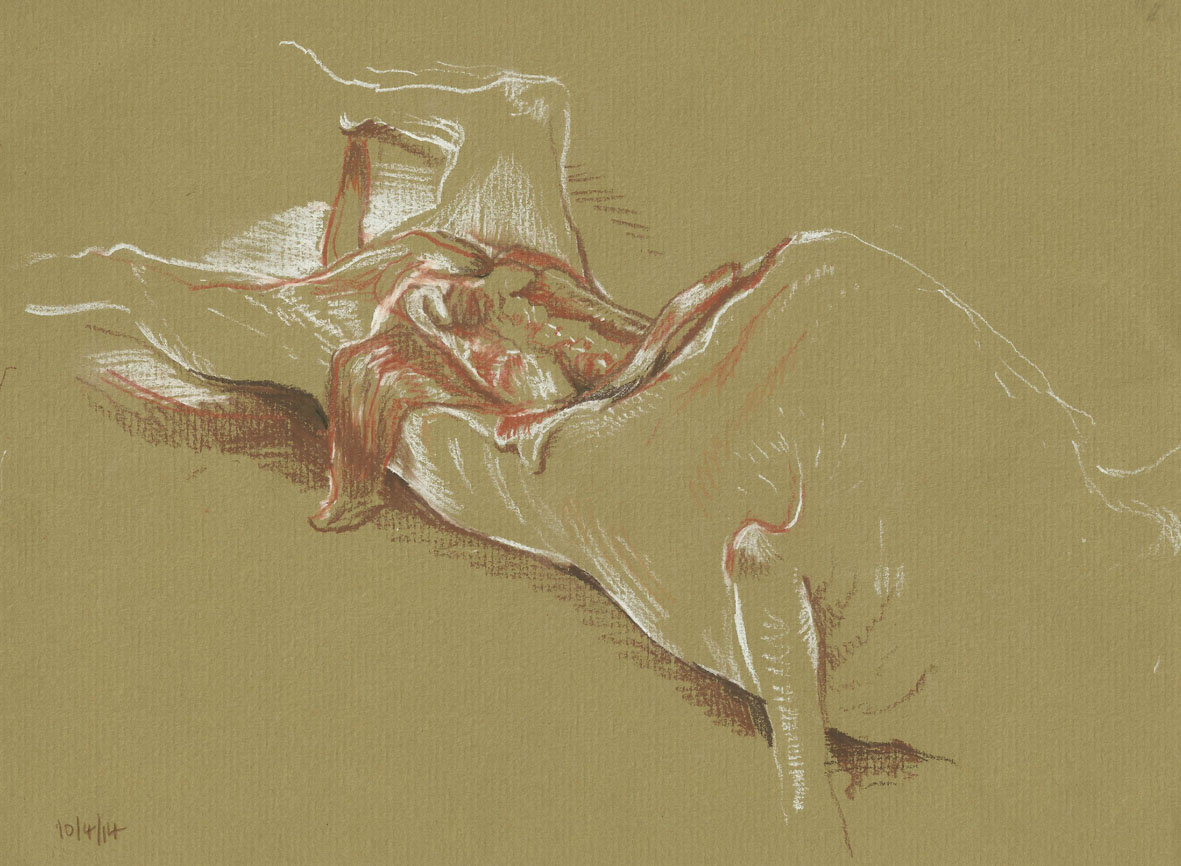
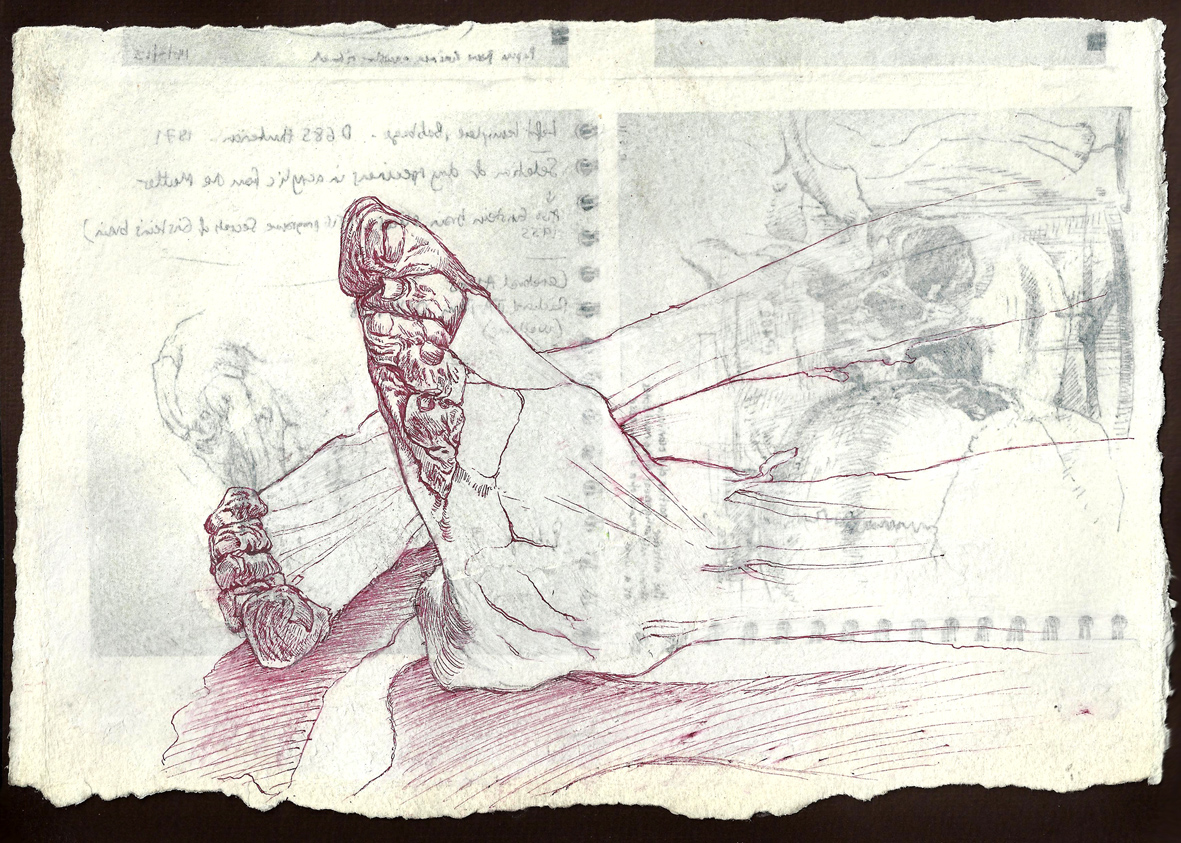
Aside from conversations over the course of these two days, many of which have opened up new or additional lines of enquiry, I found the event useful on several levels, creative and philosophical. In this opportunity to see beneath the skin – enter the hidden world of the body – there is something both beautiful and disturbing. It is a transgressive act, the cutting and incising: simultaneously revealing and destroying. I was moved and fascinated by the carefully exposed surfaces of the bones of the arm, with the wing of skin and sinew folding away from it – like an elegant shawl, or Isadora Duncan’s scarves with their movement arrested mid-dance. (fig 5) I was as drawn to the stripped arm this year as I was to the careful cutting of the hand last year (A process that I felt compelled to watch and draw even as I experienced an unpleasant sympathetic sensation in the tendons of my own hands.) This year additionally provided a pair of legs: already part-anatomised, the only skin left on the spindly limbs were the toes, strangely wrinkled and folded flat against each other. I drew these too, but thankfully my own toes did not respond. (fig 6)

Figure 6
Figure 6

For more information:

Illustrations from the works of Andreas Vesalius by J. B. deC. M. Saunders and Charles D. O’Malley. Dover Publications, New York 1973

Gericault: Images of Life and Death Exhibition Catalogue, edited by Gregor Wedekind and Max Hollein. Hirmer Verlag, Munich 2014

http://www.e-flux.com/announcements/theodore-gericault/

http://morbidanatomy.blogspot.co.uk/2012/02/theodore-gericaults-morgue-based.html

http://biomedicalart.blogspot.co.uk/

http://www.medinart.eu/