

Information and support

What is severe asthma?
Severe asthma is a type of asthma that does not respond well to standard asthma treatments. The symptoms are more intense than regular asthmatic symptoms and can last for prolonged periods. Sufferers of severe asthma often find their symptoms persistent and difficult to control. Having severe asthma can have a major impact on daily life, affecting everyday habits, work and social life. It can affect both children and adults, and can develop at any age.
Lung function testing
Peak flow
Peak flow is a measurement of how fast you can blow air out of your lungs. It shows how wide your airways are at the time of taking the test. It can be helpful to assess how well your asthma symptoms are controlled.
Spirometry
Spirometry is a test to show how your lungs are working. It is one of the first tests which may be carried out to investigate any respiratory symptoms such as shortness of breath, cough or wheeze.
Treatment
Learn about inhalers and medication available for adult asthma sufferers.
How to spot if your symptoms are getting worse and what to do.
Day-to-day living
Pacing
Pacing is an essential technique for mastering chronic pain and often involves taking a break before you need to. The aim of pacing is to achieve and maintain a fairly even level of activity energy levels throughout the day.
Managing bad days
Living with asthma can affect your daily routines and the way in which you manage the daily tasks that we all need to do.
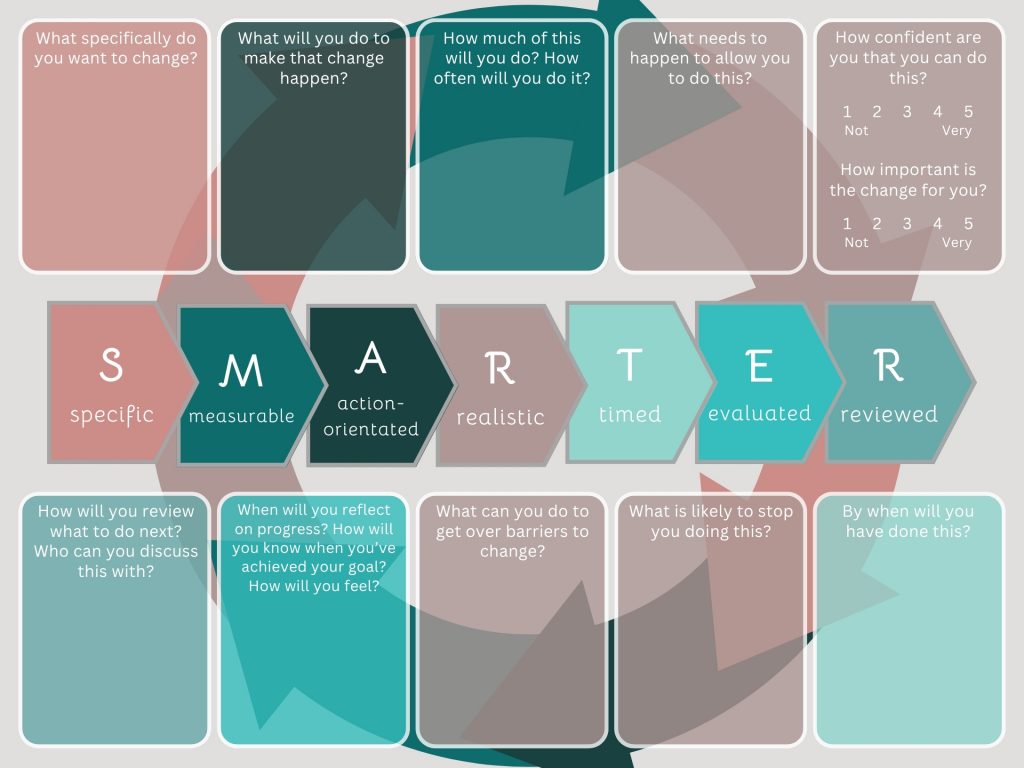
Working with severe asthma
If you are of working age and have been diagnosed with asthma, you may be concerned about how this might affect your ability to work. You should be able to continue working as long as your asthma is well controlled.
Nutrition
Following a healthy, balanced diet helps make sure our bodies get what they need to work well and feel good. It can be hard to maintain a healthy diet and manage your weight with severe asthma. Being overweight can make asthma symptoms worse, and breathing harder.
Sleep
Good sleep hygiene is very important. Lack of sleep can have a big impact on your health and well-being.
Exercise
Exercise is important for everyone, including people with asthma. The benefits of exercise include:
- improved lung capacity
- less fear of breathlessness
- social contact
- lifting your mood
- improved strength, posture and flexibility
- improved sleep and appetite
Emotional well-being
Mindful living means paying attention to the present, appreciating what is happening and enjoying the simple things in life. This can help us to feel calmer, reduce stress or anxiety, sleep better and might help us cope better with difficult situations.